
- Home page
- Top experiences
- Rest and relaxation
- The Meulières Trail near Brantôme
- Rest and relaxation
- Top experiences
The Meulières Trail near Brantôme
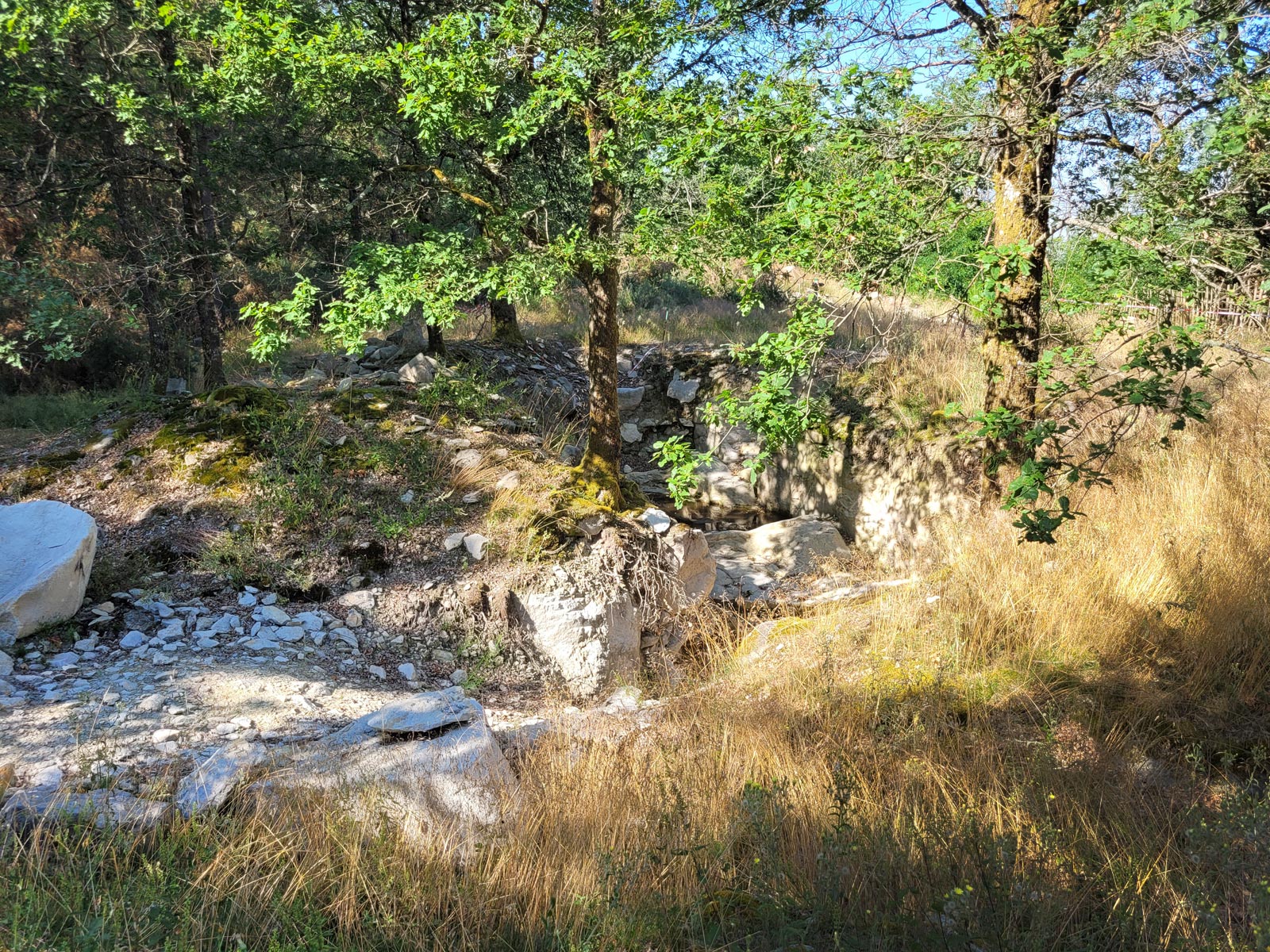
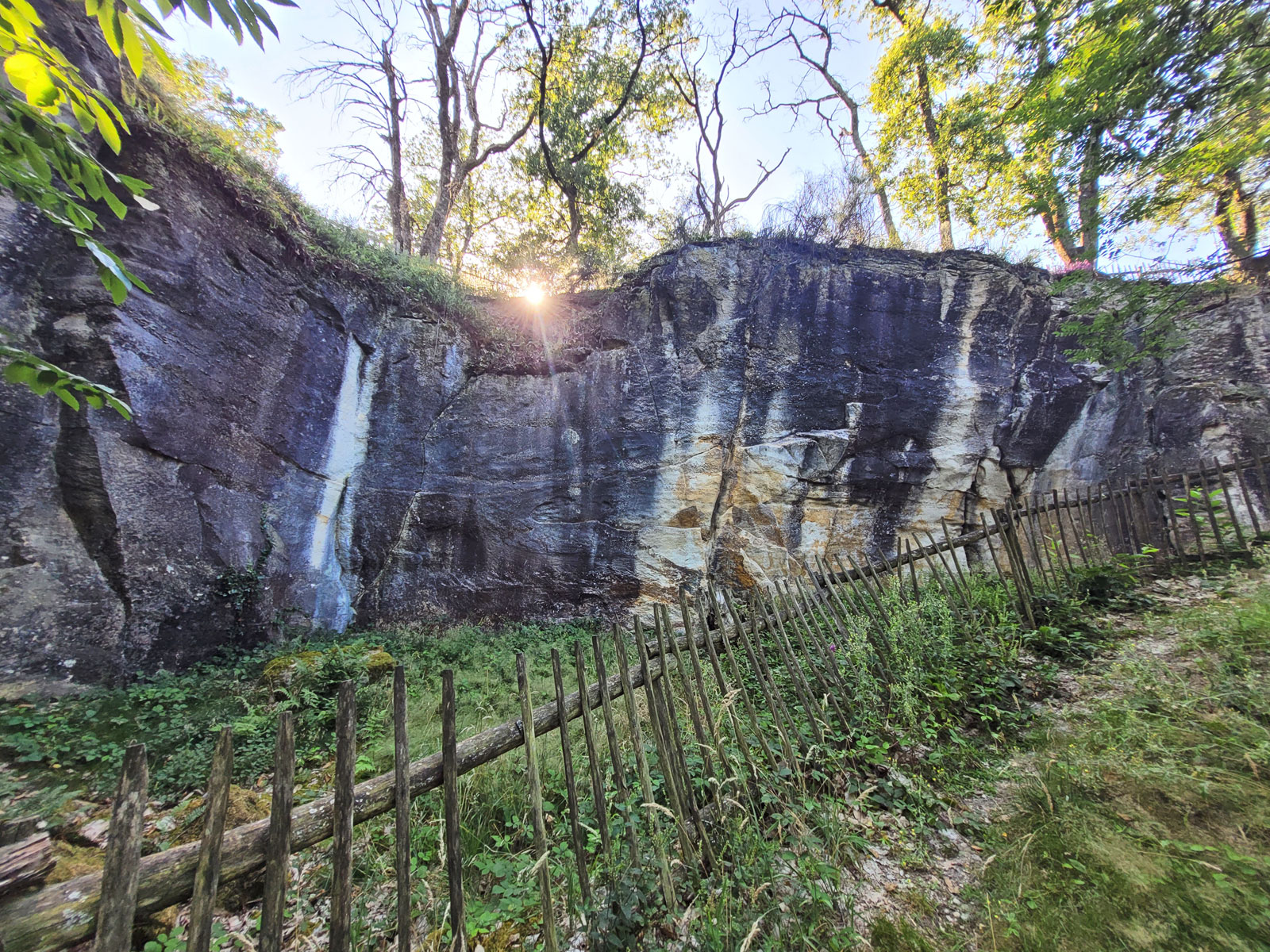
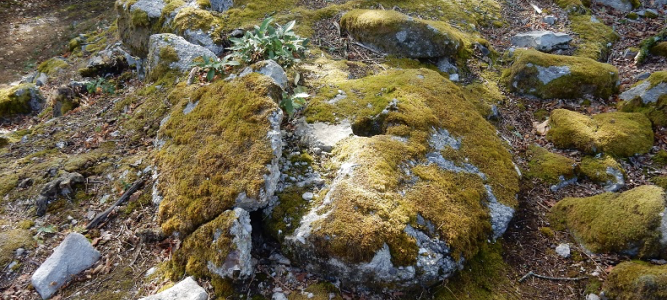
Do you like instructive walks, playful walks in an astonishing and unique environment? We take you to discover the Sentier des Meulières in Saint-Crépin-de-Richemont, near Brantôme. In Périgord Vert, nature is generous and here, a hard, dense and particularly abrasive rock has made it possible for thousands of years to manufacture millstones (for grinding, etc.). A rare activity because finding this type of rock is not easy! The trail tells you about the geology of the place, its history and especially that of its inhabitants, the people of Arkose. To do with the family, walking about 1h30 quietly, in a pleasant and peaceful forest.
Photos of the report: Guide du Périgord
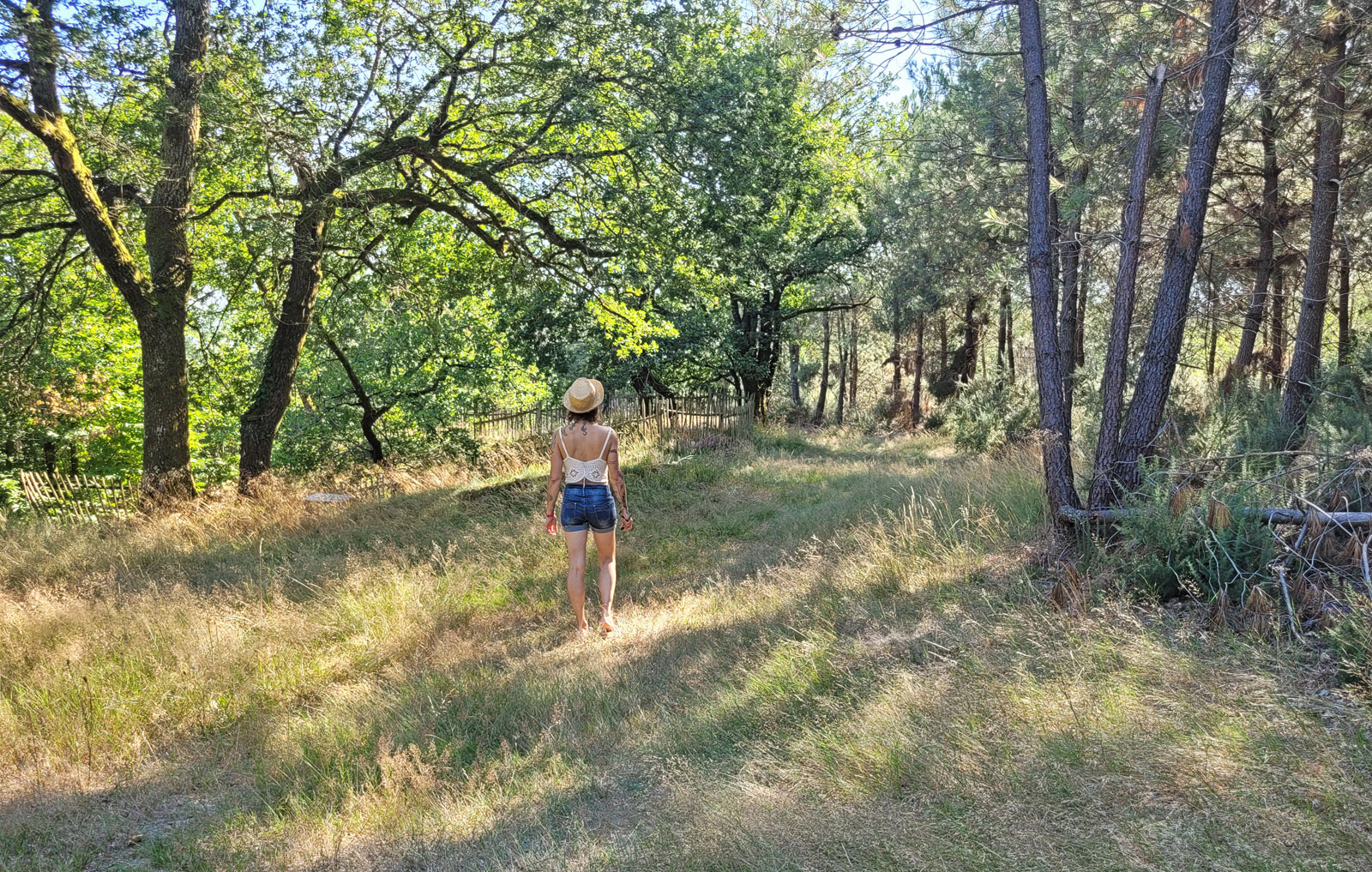
An original route to do with the family
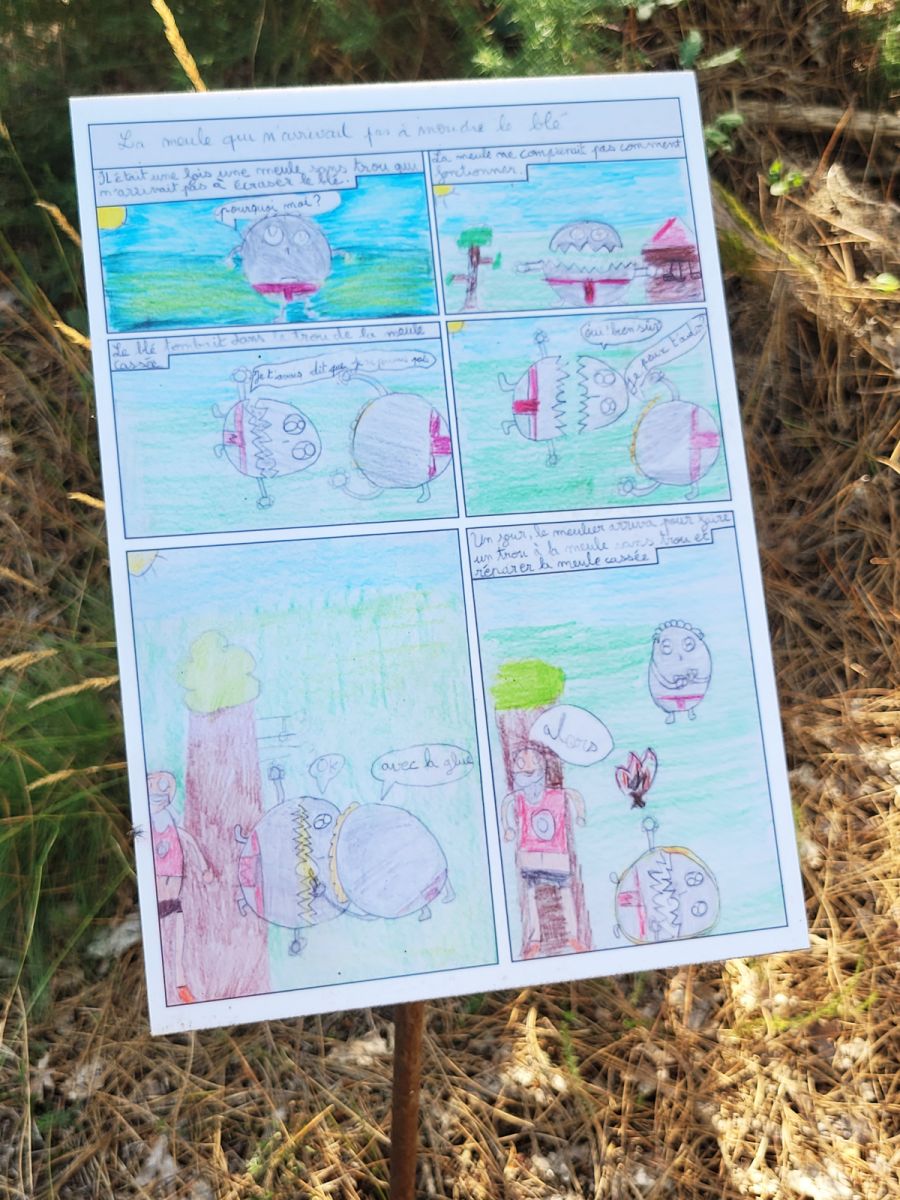
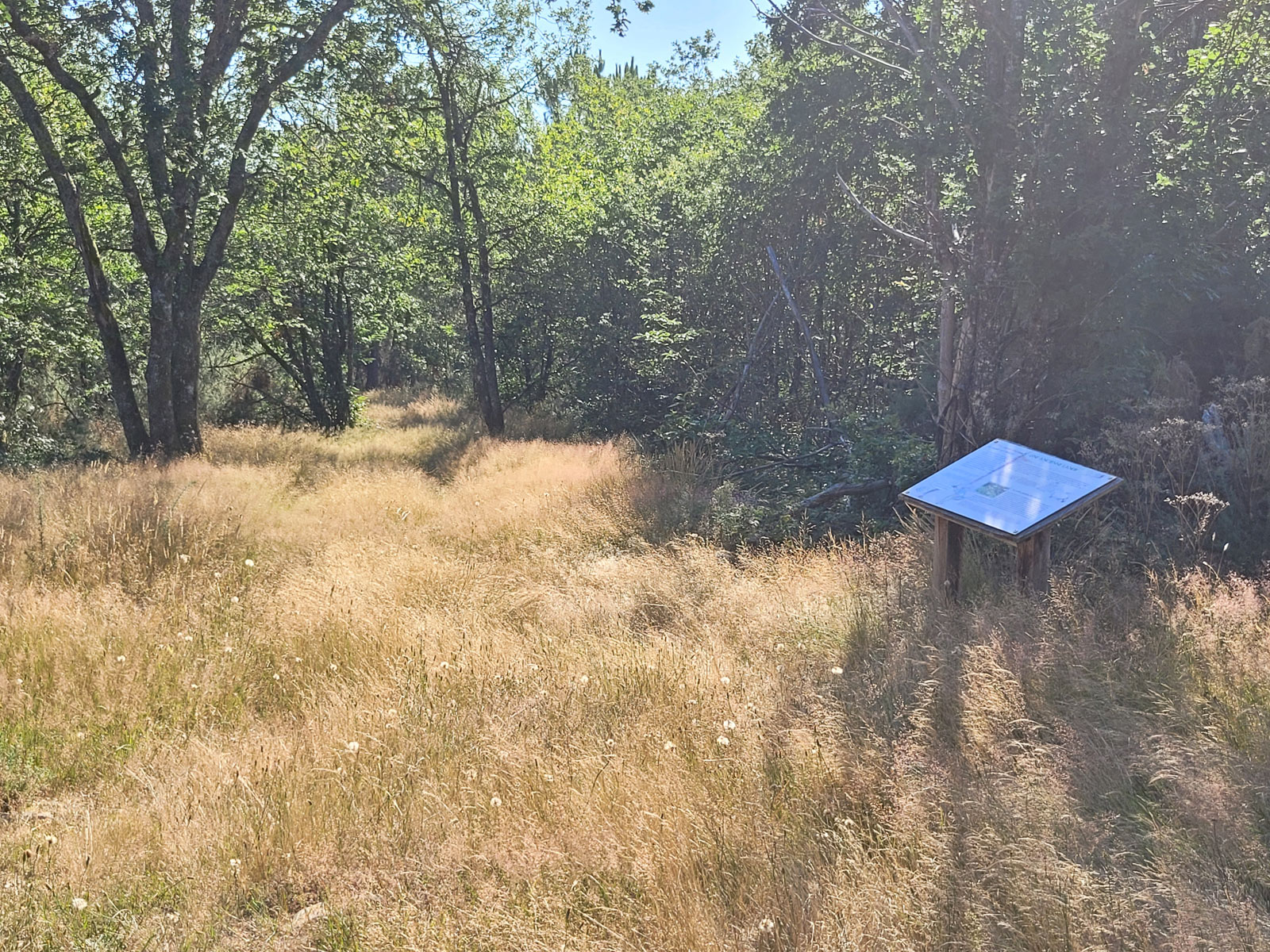
The Sentier des Meulières is a creation of the Perigord-Limousin Permanent Center for Environmental Initiatives. 2.8 km of walk (very easy, but not accessible by stroller), with interpretation panels to learn more about this place, the legends that surround it and understand the courage of the people, the inhabitants, who for several millennia, exploited these quarries, cut, sculpted the millstones and also transported their work (which could be from 2 to 4 tons!).
There is an audio version of this walk, produced by the Dordogne Conservatory. It's easy, just take your Smartphone and flash the QR codes!
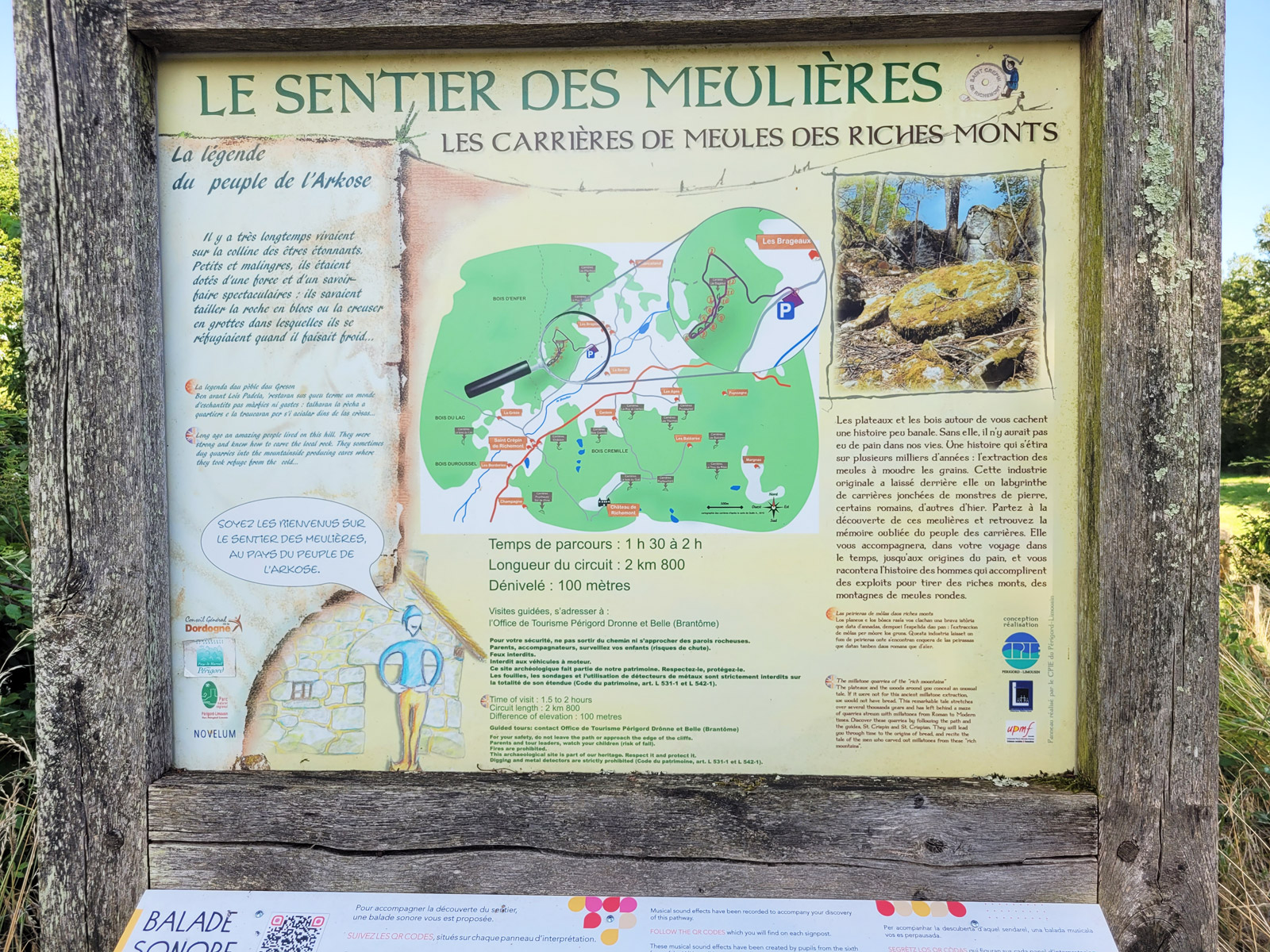
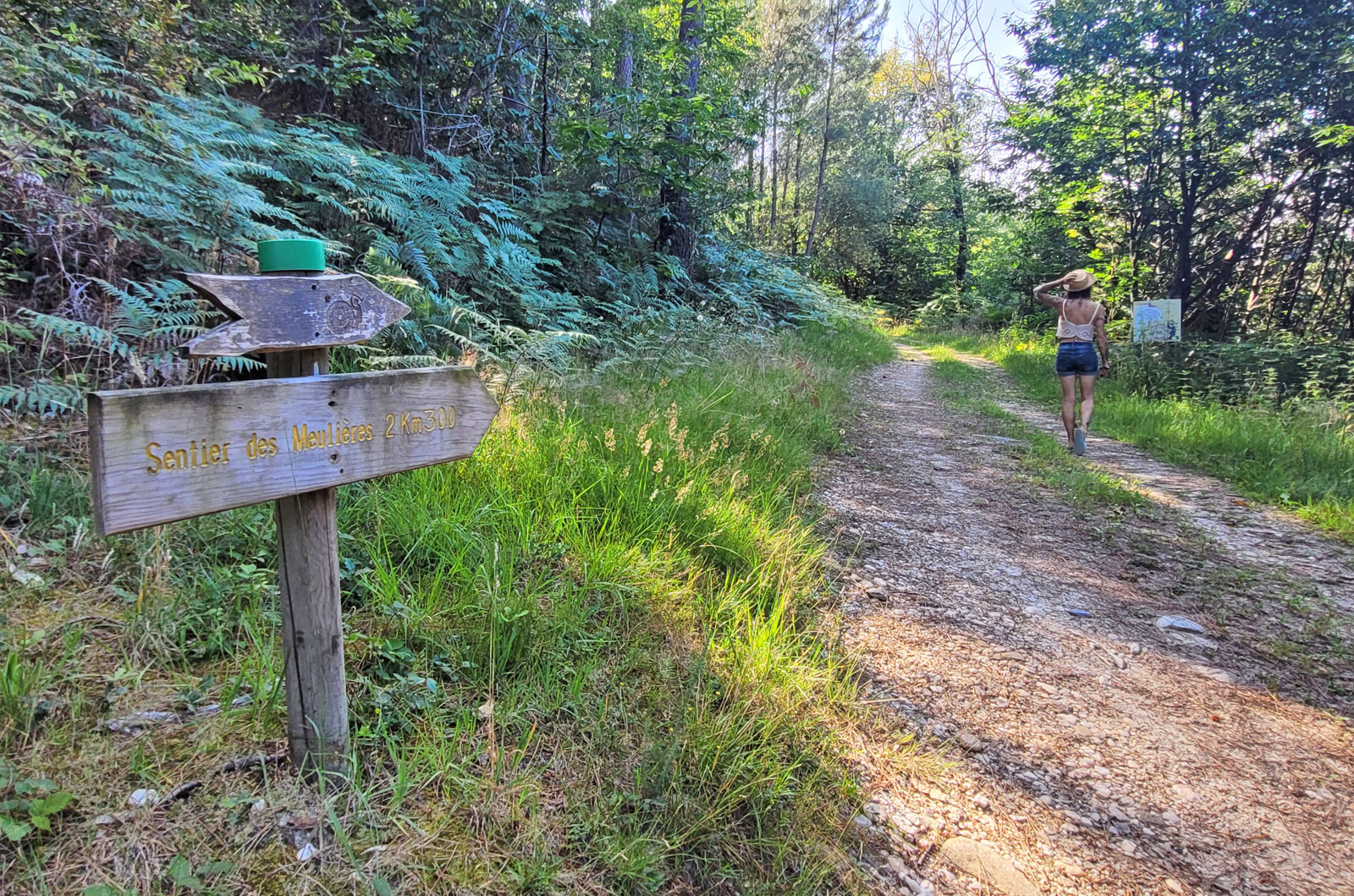
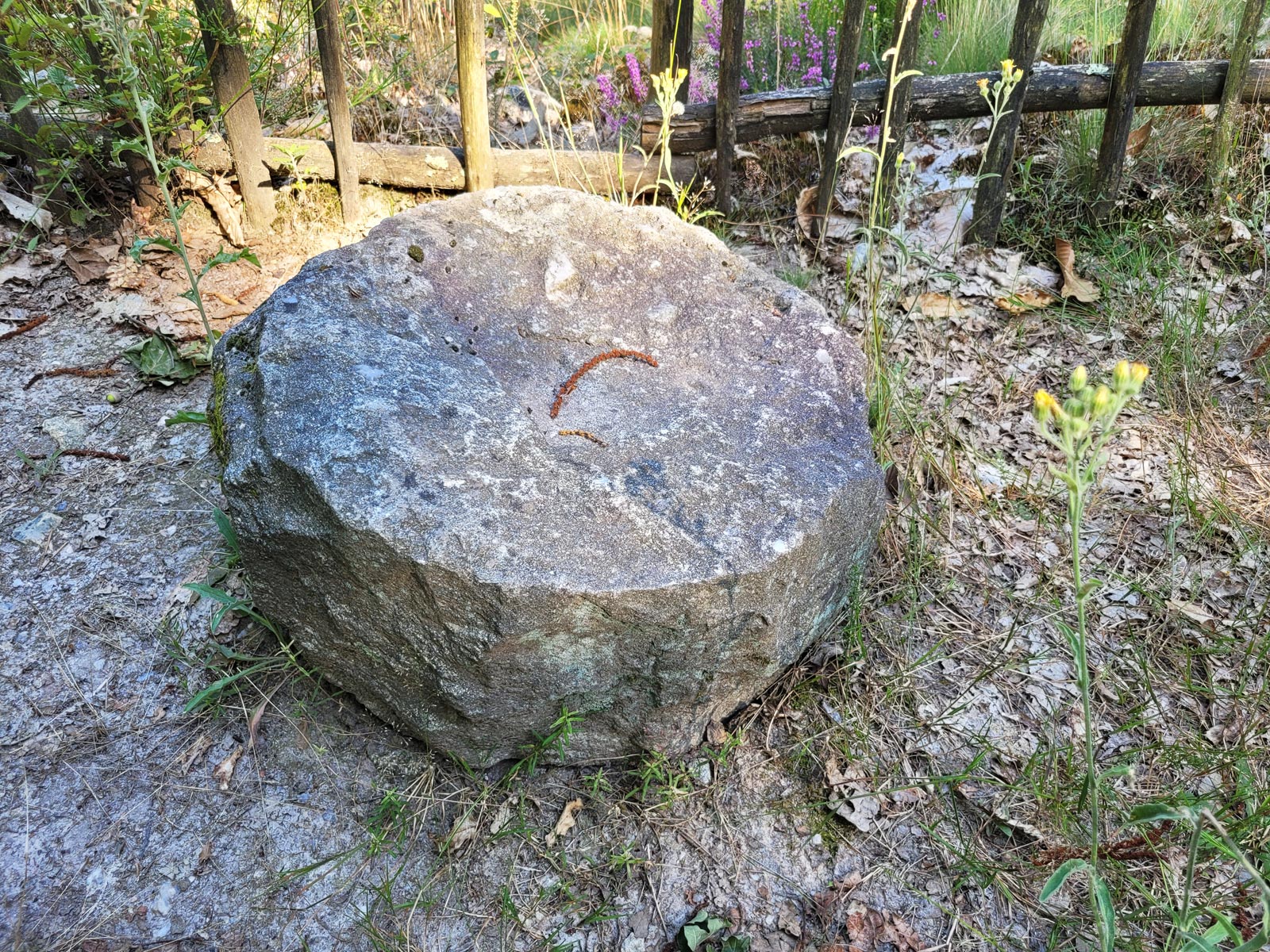
Bread, an indispensable element for the expansion of human societies
Why millstones? To make bread! Cereals are edible, but not the whole husk around the grain, the bran. To extract the heart of the wheat from the bran, the grain must be ground. This makes it more digestible, which ensures comfort but also better absorption of its nutrients. It is thanks to the evolution and the good availability of food, that the human populations develop throughout the world. In the time of our ancestors (and still today but with mechanization, we think about it less), millstones were essential to speed up the process of sorting and grinding grains, which are then transformed into flour, then into bread.
The Evolution of the grinding wheel
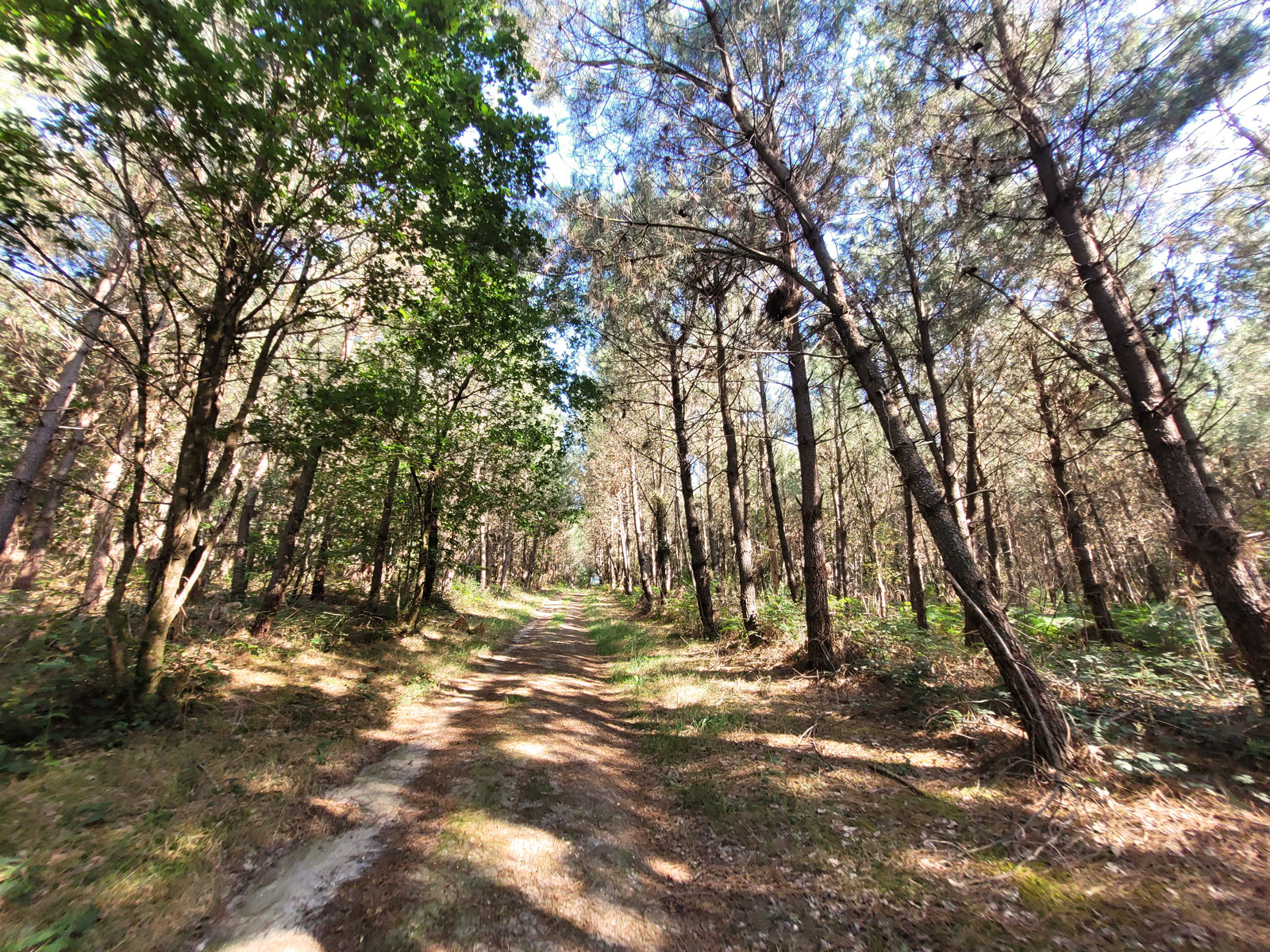
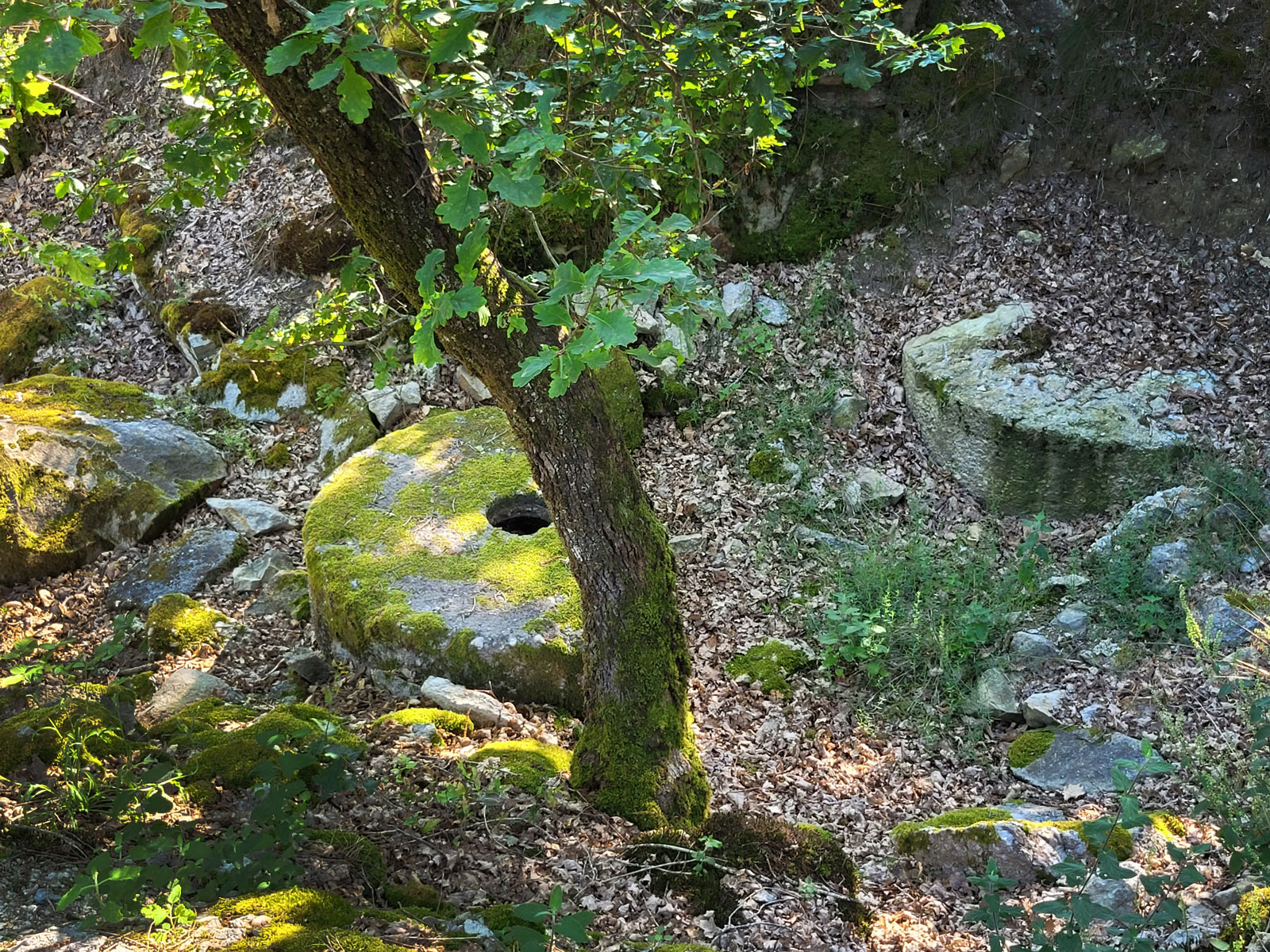
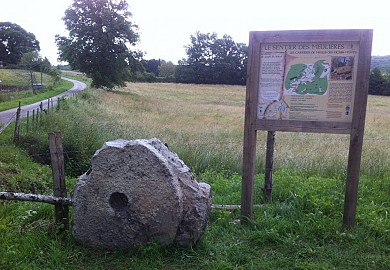
The grinding wheel is a big round stone (before it was square), hard and abrasive (like sandpaper or pumice stone). The grain is put in and rubbed to separate the bran from the heart of the wheat. Over time, the techniques evolve and all this is told to you on the site, through examples of grinding wheels and information panels. It is estimated that the site has been exploited since the Neolithic period (5000 to 8000 years ago), then it was very much used during Antiquity. Rotary millstones (one fixed and one rotary above) appeared around Roman times with the advent of mills. Watermills used the force of streams to turn a wheel, which drove various shafts and complex gears, which in turn turned the millstone. It was then "sufficient" to pour the grain which was sorted. There are also windmills in Périgord and elsewhere. The water mills were also used to grind the famous little fruit of Périgord: La Noix! Or other grains like rye.
Not far away, you can visit the Moulin de la Veyssière, an oil mill run in the family for several generations.
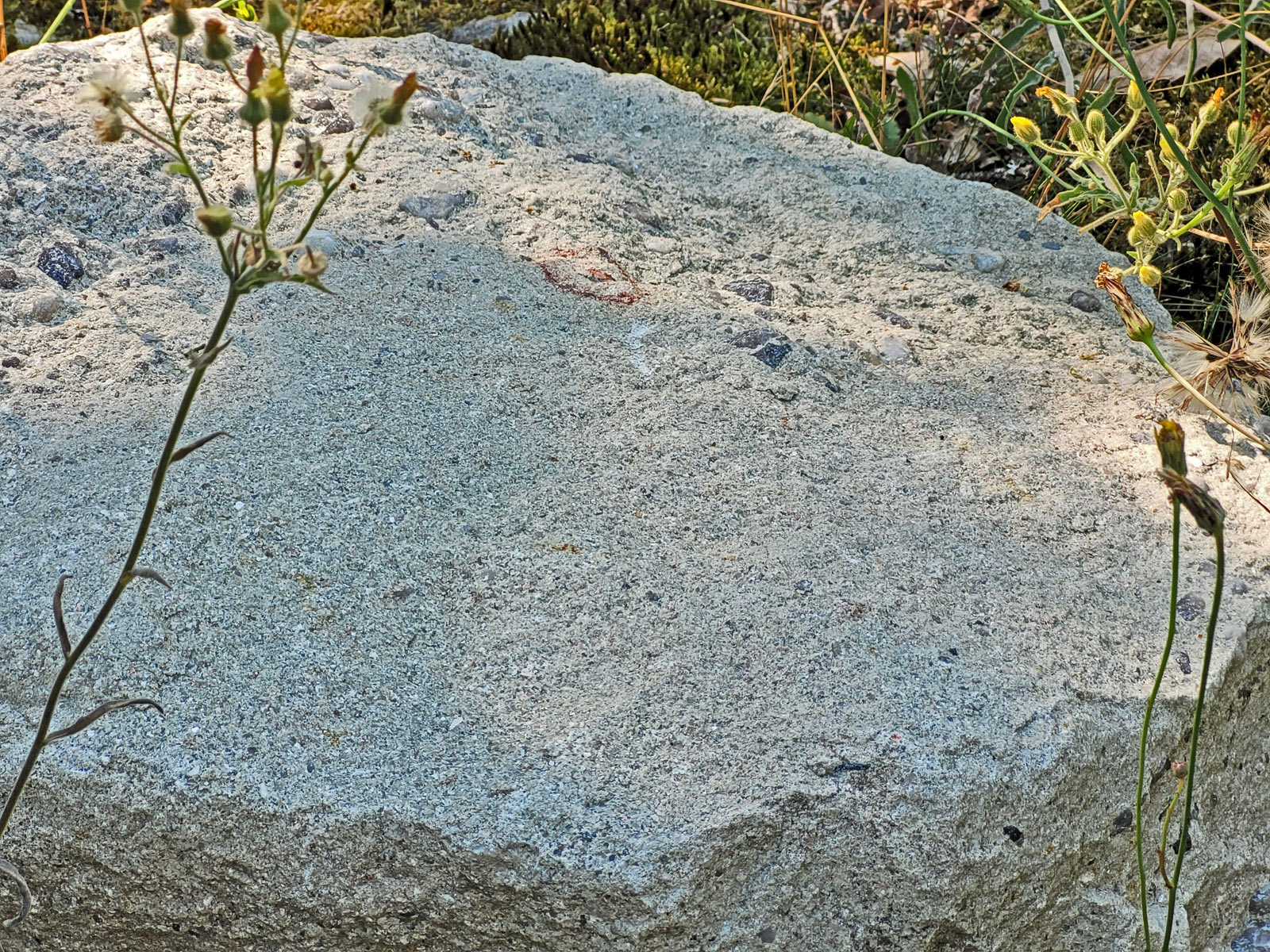
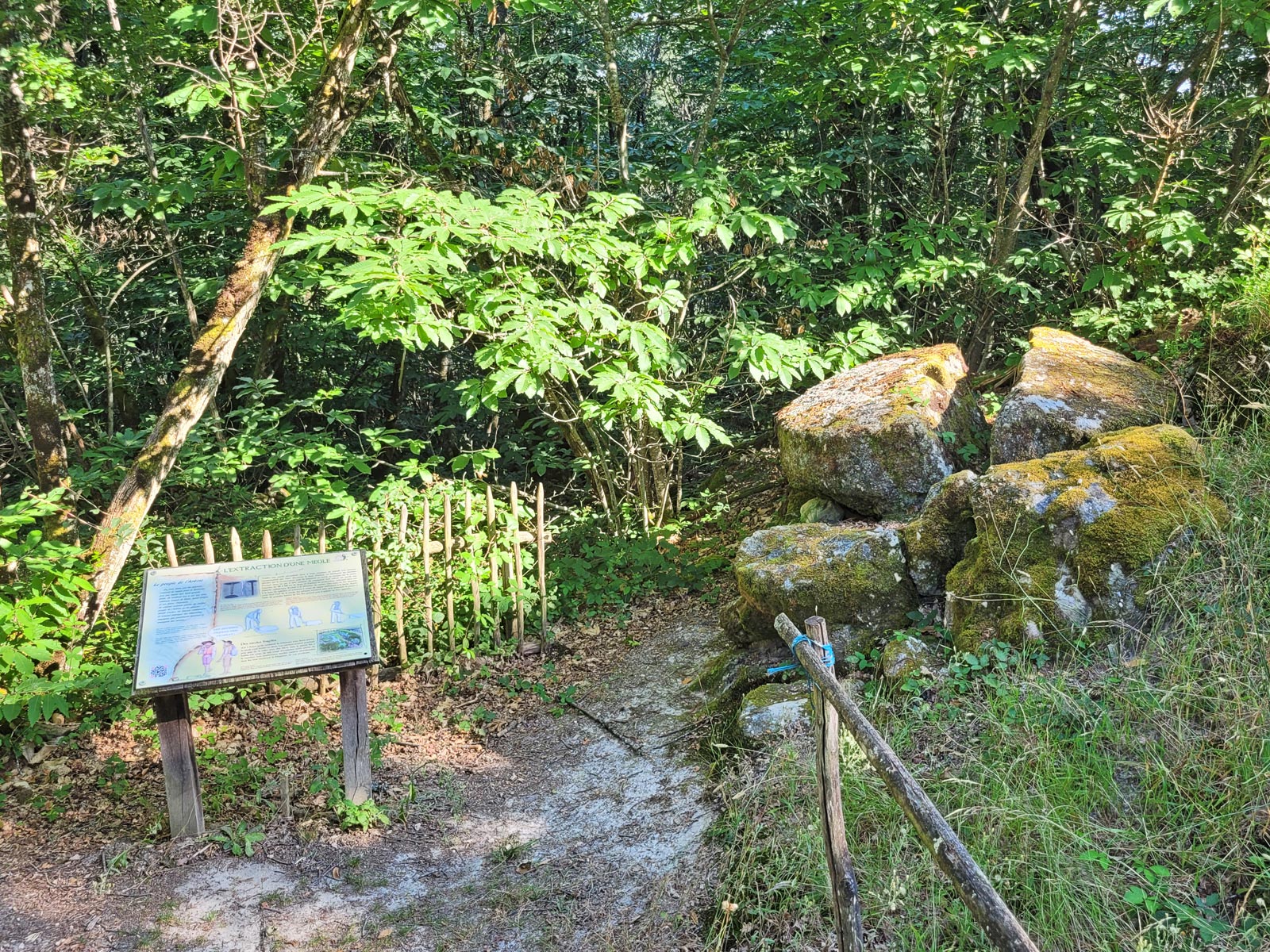
Several families lived off the know-how of millstones, specialists in cutting these stones to make millstones. Their houses were called peyrières , they were sober and typical of the region. Once idolized for their skills, the millstones then fell under the thumb of millstone merchants, who enriched themselves at their expense. An unjust social downgrading that gave rise to many conflicts. They ended up teaming up to regain the glory of yesteryear. Organized, they could work together to make this precious craft prosper.
We won't tell you everything, the rest, you will discover it on the spot… For example, how did they manage to transport at the time, grinding stones up to 1.70 m in diameter and more than 4 tons?
Château Lestevenie

A unique wine experience in the Périgord Pourpre region
Grand Etang campsite
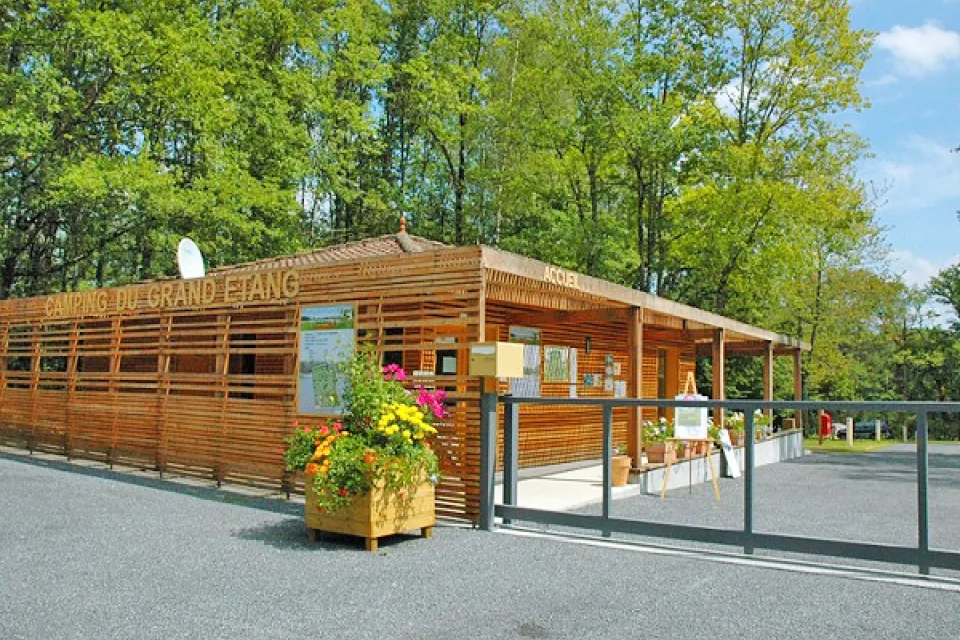
Camping in the heart of the Périgord-Limousin Regional Natural Park
Rouffiac campsite
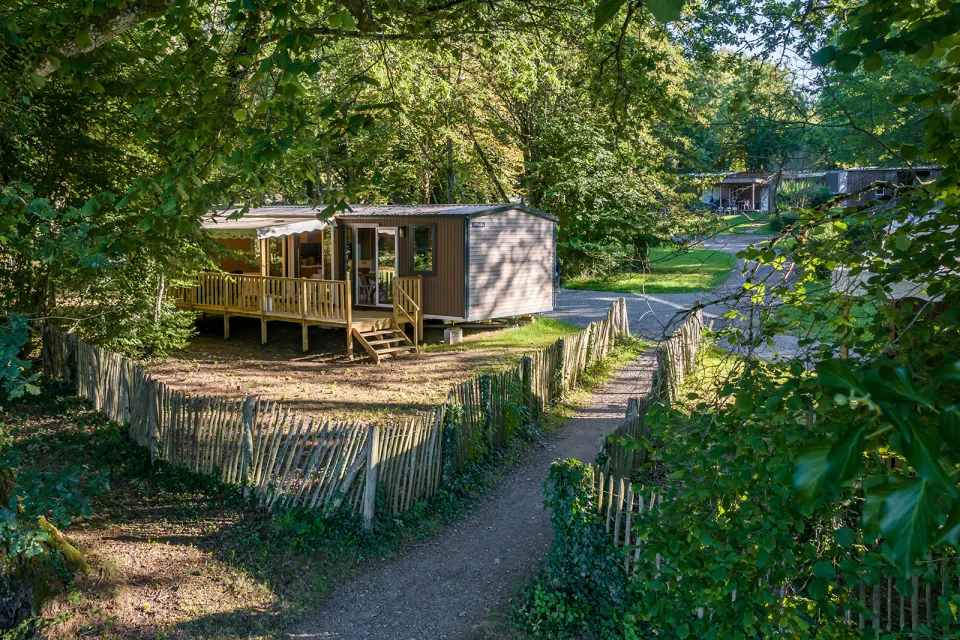
Comfortable accommodations in a protected setting in the Périgord Vert region
The biodiversity of the site
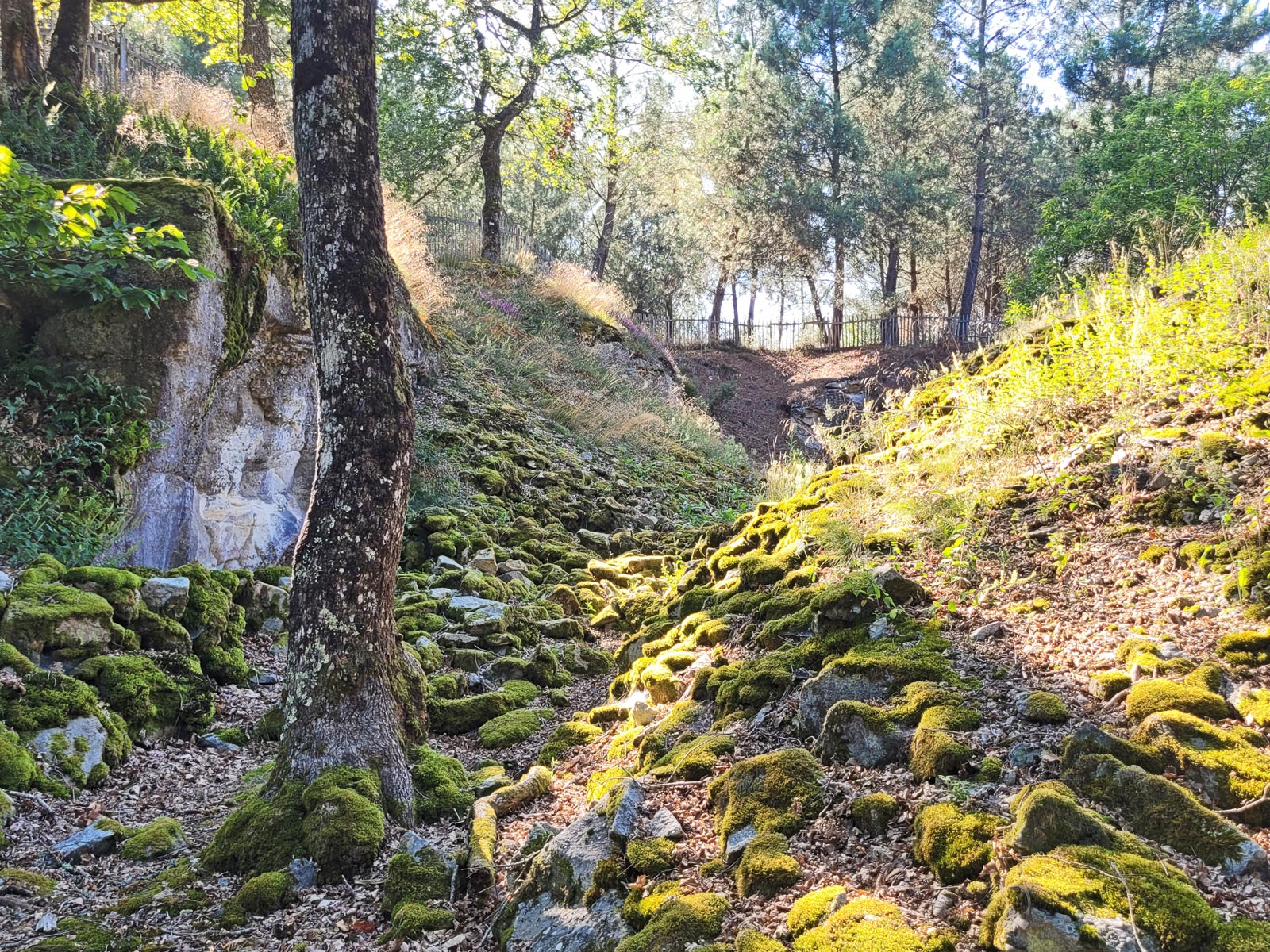
The panels will also tell you about the biodiversity of this limestone plateau, suitable for grazing. You will come across beautiful clearings between the quarries. The vegetation is sometimes typical with elegant purple heather in summer and more stocky trees, because the soil is less rich than in the valley.
We wish you a pleasant walk on this original trail! To do with the family, in the morning or at the end of the day, because it can be hot in the middle of the day in summer! The trail is open and free all year round.

Did you like our article? Find more on the BLOG.
Follow us on the Guide du Périgord Facebook page and on our Instagram account @guideduperigord
You will also like
The Périgord-Limousin Regional Natural Park, an unmissable destination in the heart of nature

5,7 km
The Périgord region for lovers: top 10 romantic ideas

5,7 km
Discover the Dronne, a crystalline river emblematic of Périgord Vert

5,7 km
Visit Brantôme: The Venice of Périgord Vert!

5,7 km
Feeling great: in the heart of the venice of the périgord

5,7 km
The Medievals of the Château de Bourdeilles, an unmissable medieval epic

9,9 km
Visit of Bourdeilles in Périgord Vert: beyond the castles ...

9,9 km
The Bourdeilles Castle : a surprising site with 2 castles

9,9 km
You will like also



Ride around
Itinérance Equestre au coeur du Périgord Vert Etape 5
Itinérance Equestre au coeur du Périgord Vert Etape 5
5,8 km - Brantôme
Dordogne-Périgord Trail Dronne et Belle - Parcours L'Ultra
Dordogne-Périgord Trail Dronne et Belle - Parcours L'Ultra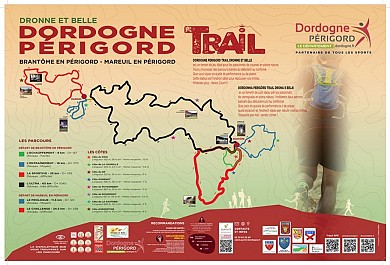
5,9 km - Brantôme
Dordogne-Périgord Trail Dronne et Belle - Parcours L'échauffement
Dordogne-Périgord Trail Dronne et Belle - Parcours L'échauffement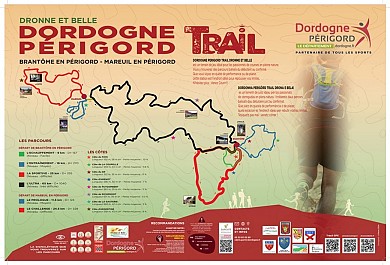
6,0 km - Brantôme