
- Home page
- Top experiences
- Not to be missed
- The Most Beautiful Villages of France in Dordogne
- Not to be missed
- Top experiences
The Most Beautiful Villages of France in Dordogne
The Dordogne is one of the French departments with the highest number of villages certified by the prestigious " Most Beautiful Villages of France" label (159 villages across France). These are must-see destinations to visit year-round, boasting remarkable heritage, surrounded by lush natural landscapes, and where tourism plays a key role in promoting these unmissable locations. By strolling through one of these villages, you are undoubtedly making the right choice and supporting the harmonious development of a community that , by joining the association, is committed to offering a high quality of life to its residents and visitors alike.
10 Most Beautiful Villages of France in Périgord
What are the Most Beautiful Villages of France?
The Association of the Most Beautiful Villages of France is the story of Charles Ceyrac, then Mayor of the charming Corrèze village of Collonges-la-Rouge in 1981, who wanted to promote the pretty, picturesque villages with remarkable heritage, of which there are so many in France! From this laudable ambition, an association was born in 1982, initially comprising 66 municipalities that were already exceptional tourist destinations and which pledged to combine economic development with the well-being of their inhabitants. With rural exodus leading to the depopulation of these often very rural areas, this initiative was a welcome one, which generated enthusiasm and resonated even abroad, where similar labels have since emerged, inspired by this excellent French idea.
To be part of this highly selective process, where only 20% of applicants are chosen, a town must first have fewer than 2,000 inhabitants and then meet 30 selection criteria, which are regularly checked, or risk losing its label. This is a familiar process for companies seeking quality labels, and the same applies to having the chance to display the attractive red and gold sign at the entrance to your town.
The Most Beautiful Villages of France in Dordogne
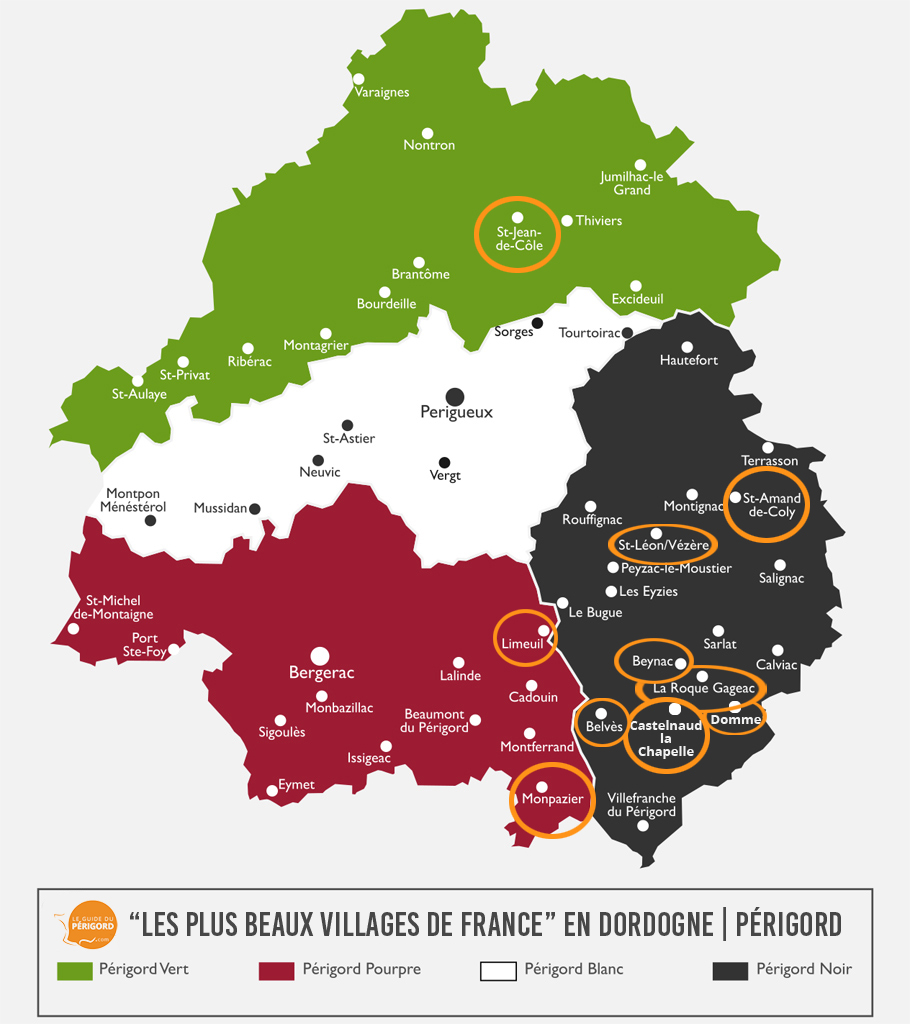
So, there are 10 villages on the list, 8 of which are located in the Périgord Noir, 1 in the Périgord Vert, and 1 in the Périgord Pourpre. Far from implying that other villages have less to offer, these 10 villages stand out for their commitment to upholding the standard of sustainable hospitality year-round, while also promoting their membership in this demanding label, which is as much a mark of value as it is a prize to be won. Here is some practical information and links about these unique places, to be discovered with eyes wide open and camera in hand. As a prelude, a map to locate them and perhaps even inspire a fun road trip!
Saint-Jean-de-Côle and its castle
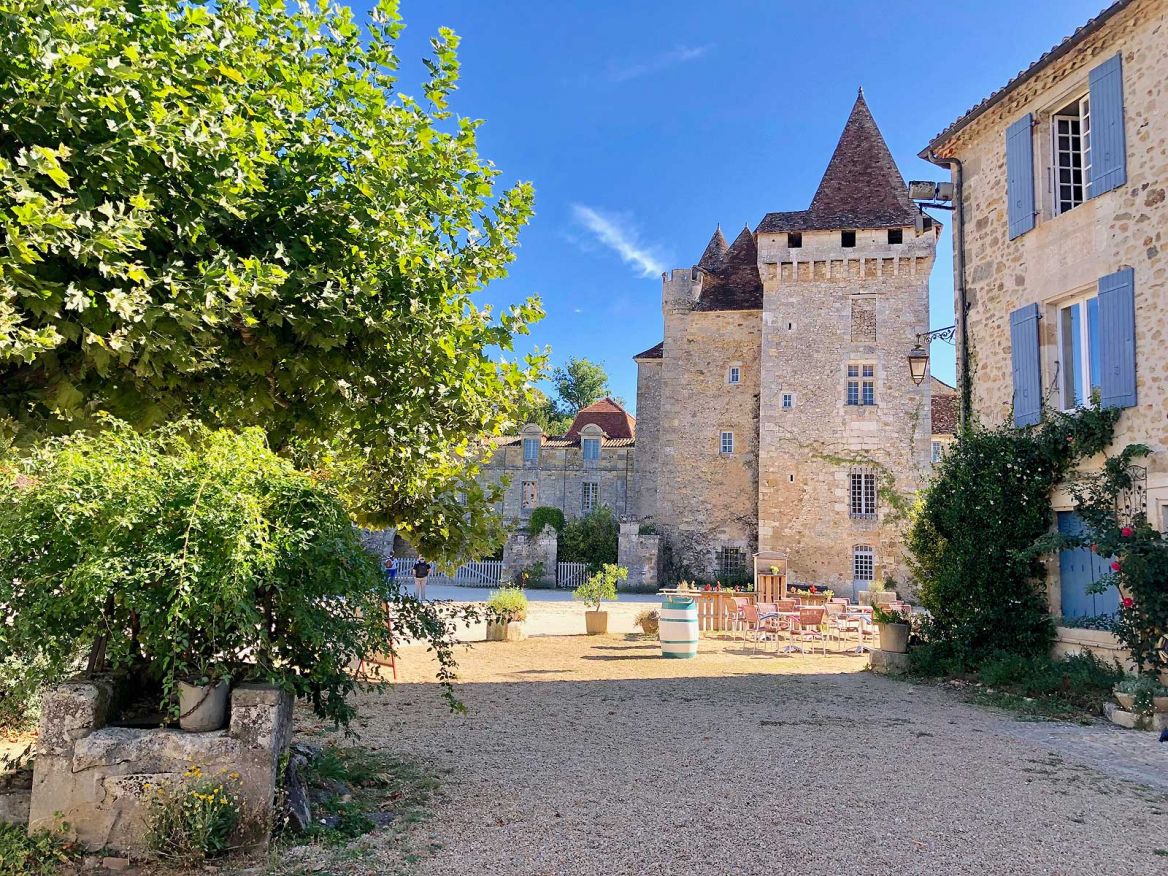
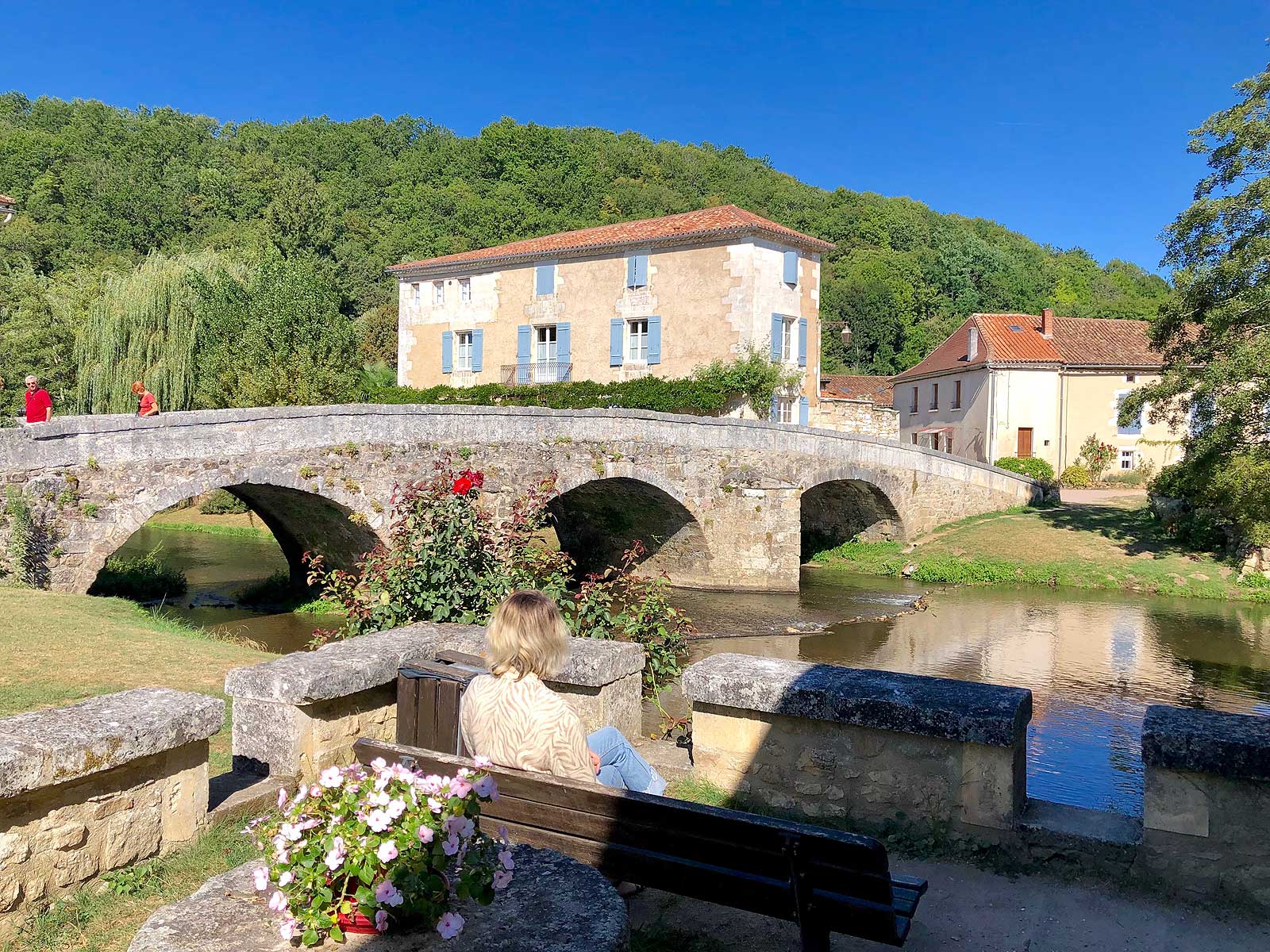
In the Périgord Vert region, Saint-Jean-de-Côle is a magnificent little medieval village on the banks of the Côle River. Located on the road between Thiviers and Nontron, it enjoys a strategic position from a commercial perspective. Let's step back in time: in the 11th century, a priory (now a listed building) was built, housing Canons of the Order of Saint Augustine. Around the same time, and to protect this priory, the Château de la Marthonie was built, belonging to the family of the same name. Around these two impressive structures, a charming, compact village with cobbled streets took shape and developed, making it a very pleasant place to stroll, as it is now largely pedestrianized. But the Wars of Religion swept through this area, along this strategically important road, and several times, particularly during the Hundred Years' War, the priory was ransacked and looted, the castle damaged… The village became depopulated, but experienced a second golden age with the arrival of the railway nearby. It was revitalized, even becoming a favorite destination for distinguished guests, such as Queen Elizabeth Bowes-Lyon, who stayed at the castle in 1978, as Thierry de Beaumont, the current owner, could tell you.
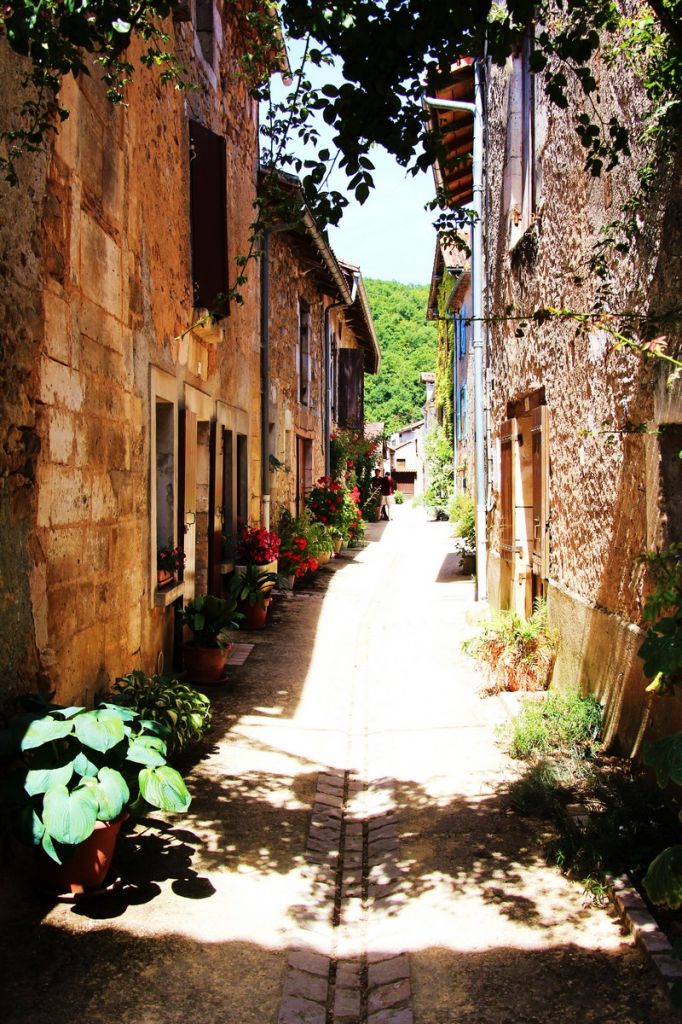
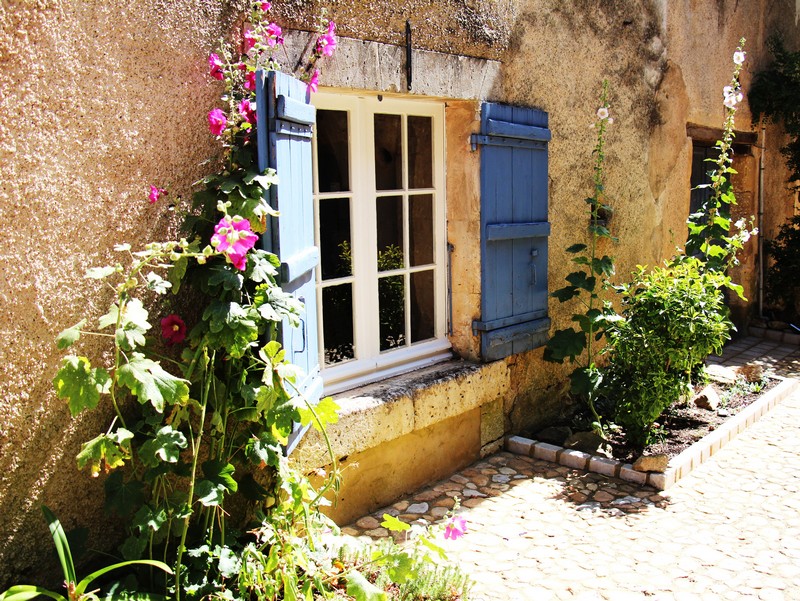
Today, Saint-Jean-de-Côle is a truly authentic and charming village. It's a pleasure to stroll through, crossing its small medieval stone bridge that leaps across the Côle River. It's a delight, especially from May onwards, when the Floralies (flower festival) has been opening the season since 1982. The streets are still paved; you can almost hear the echo of carts from bygone days and the clatter of horses' hooves bringing goods to the village square. Admire the Château de la Marthonie on one side and, on the other, the Romano-Byzantine style Church of Saint-Jean-Baptiste, also a listed historical monument.
In summer, the doors of the beautiful half-timbered houses open to reveal shops selling regional products and paintings by local artists. Visitors can stroll through the flower-filled alleyways (the village has been awarded two flowers in the "Villages in Bloom" competition). The former priory is only open to the public during Heritage Days, but the castle offers guided tours (inquire at the Town Hall or the Tourist Office). And for those who enjoy cycling, Saint-Jean-de-Côle is easily accessible via the Thiviers to Saint-Pardoux-la-Rivière Green Way.
Saint-Amand-de-Coly and its magnificent Abbey Church
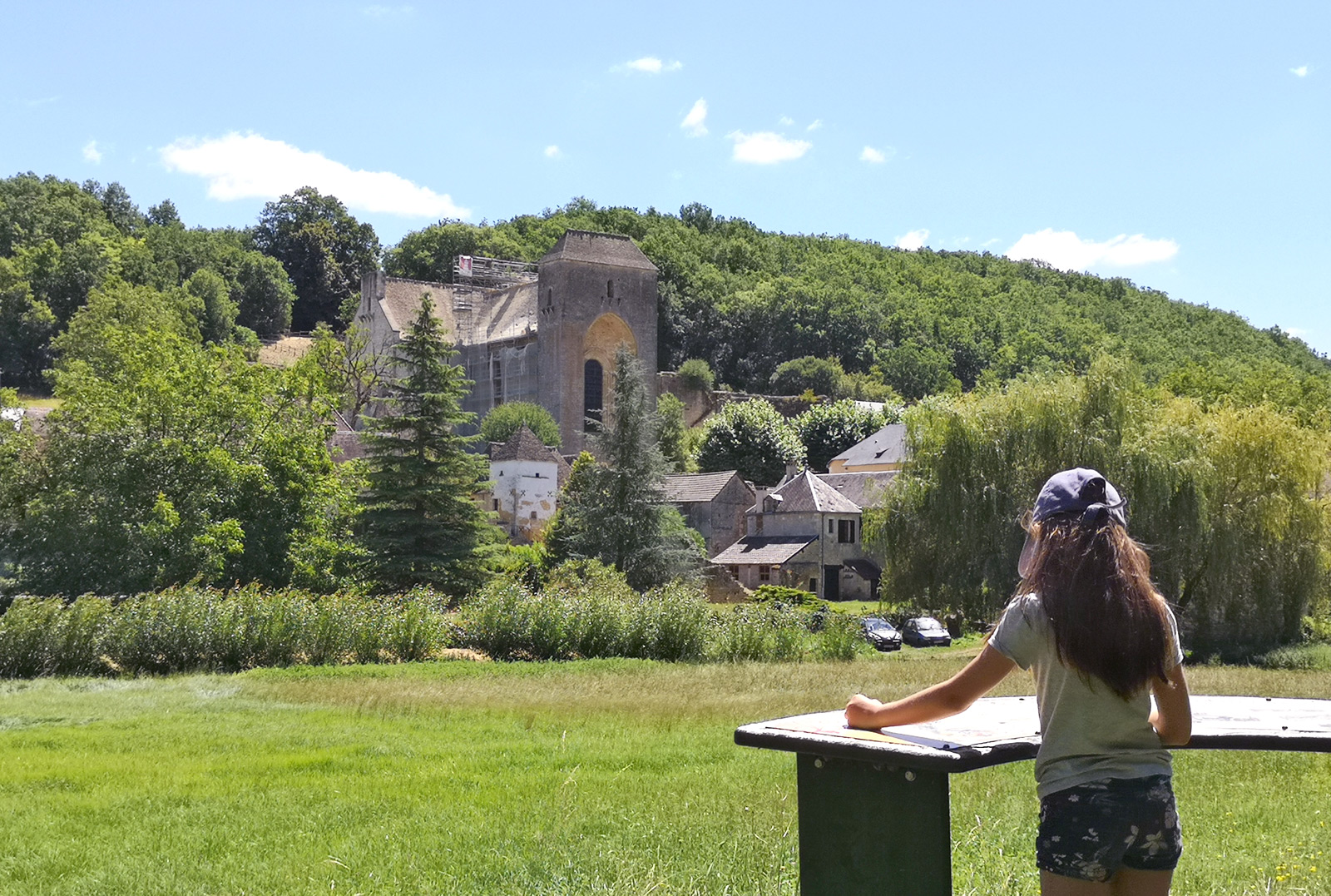
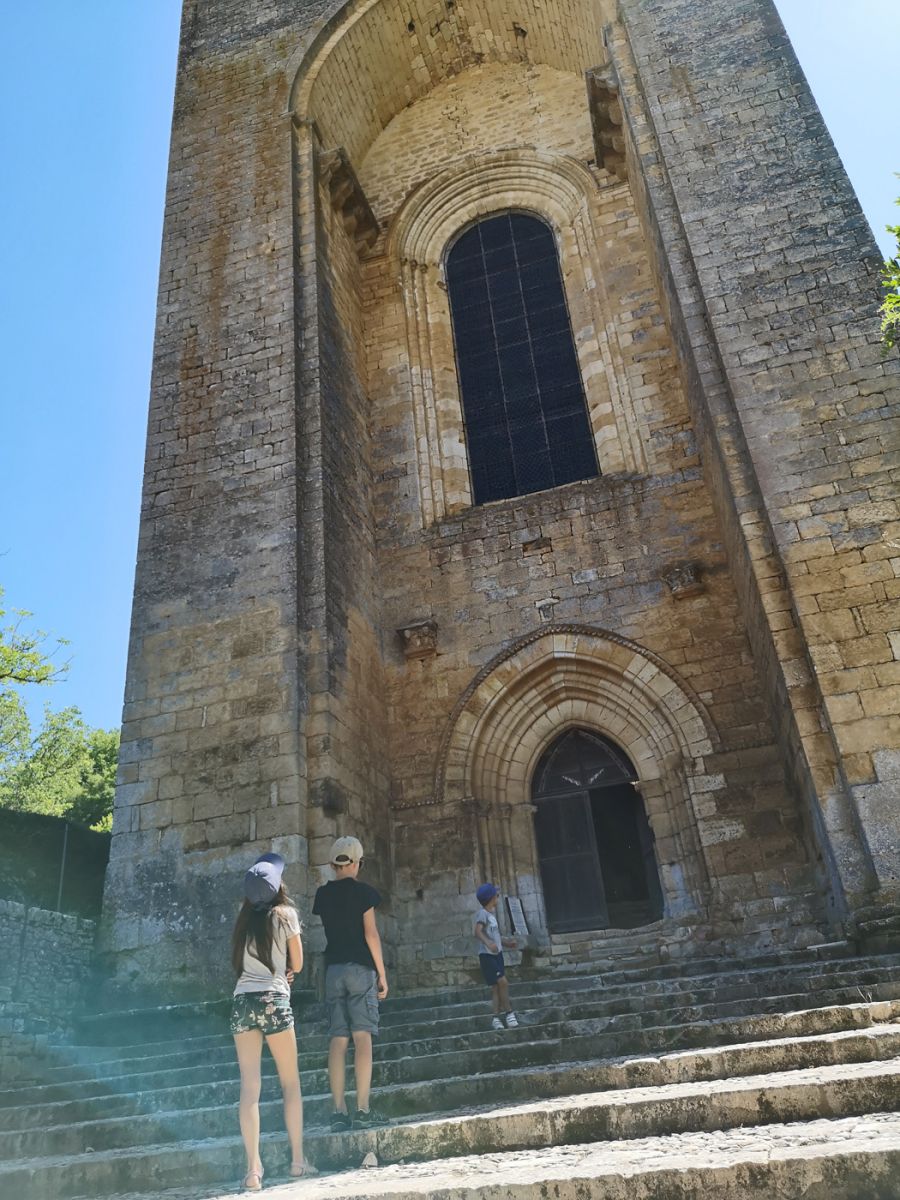
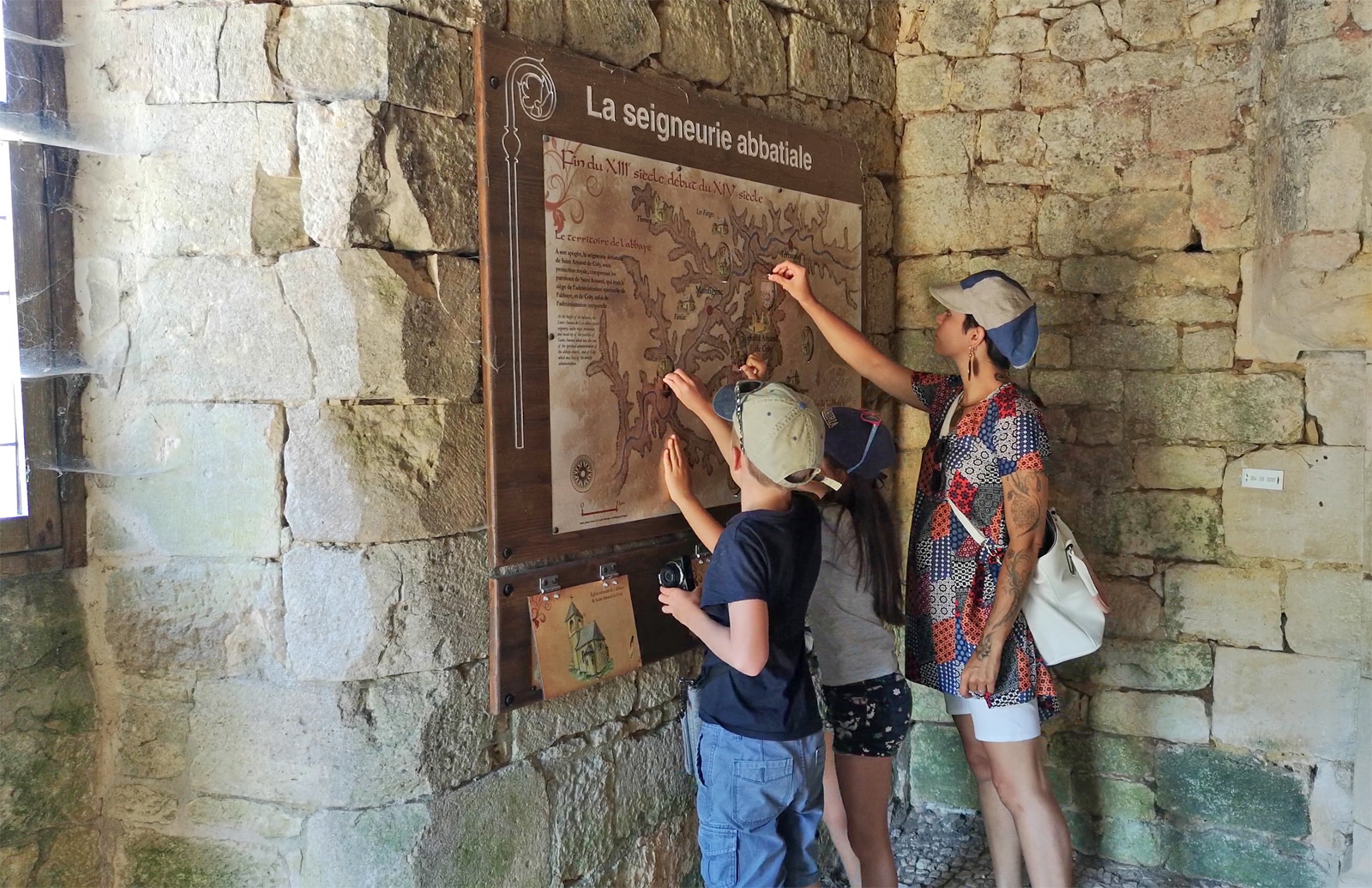
In the Périgord Noir region, Saint-Amand-de-Coly, part of the commune of Coly-Saint-Amand, is a village nestled in a peaceful, wooded valley. Upon arrival, you'll be immediately struck by its magnificent abbey church, with its imposing 30-meter -high bell tower ! It dates back to the 12th century, but the village's foundations are estimated to be from the 6th century. This village, like many in the Périgord, was marked by the Hundred Years' War, but the valiant, proud inhabitants, respectful of their heritage, rallied in the 19th century under the leadership of Abbot Carrier and undertook the renovation of the abbey church. Respectfully enter the grounds of this witness to the past, admire its grandeur, step back, and stroll around the village to fully appreciate the central position of this exceptional religious monument. Visiting Saint-Amand-de-Coly is easy! There are interpretive trails and an educational circuit with information panels to follow. Ideal for families and friends, it's a great way to see everything while enjoying a pleasant walk that alternates between the village, the hillsides, and a section of forest.
In the warmer months, the village is bustling: there are artisans, shops selling local produce, exquisite restaurants, and a wide range of holiday accommodations. There's even a renowned gourmet night market during July and August, held around the old tobacco drying barn! It's a large municipality, so be sure to visit the village of Coly, a little further down, where the Coly stream flows with its icy, deep blue waters. Near Montignac, we recommend a stop and a stroll around the Château de la Grande Filolie, with its pastures and wooded path.
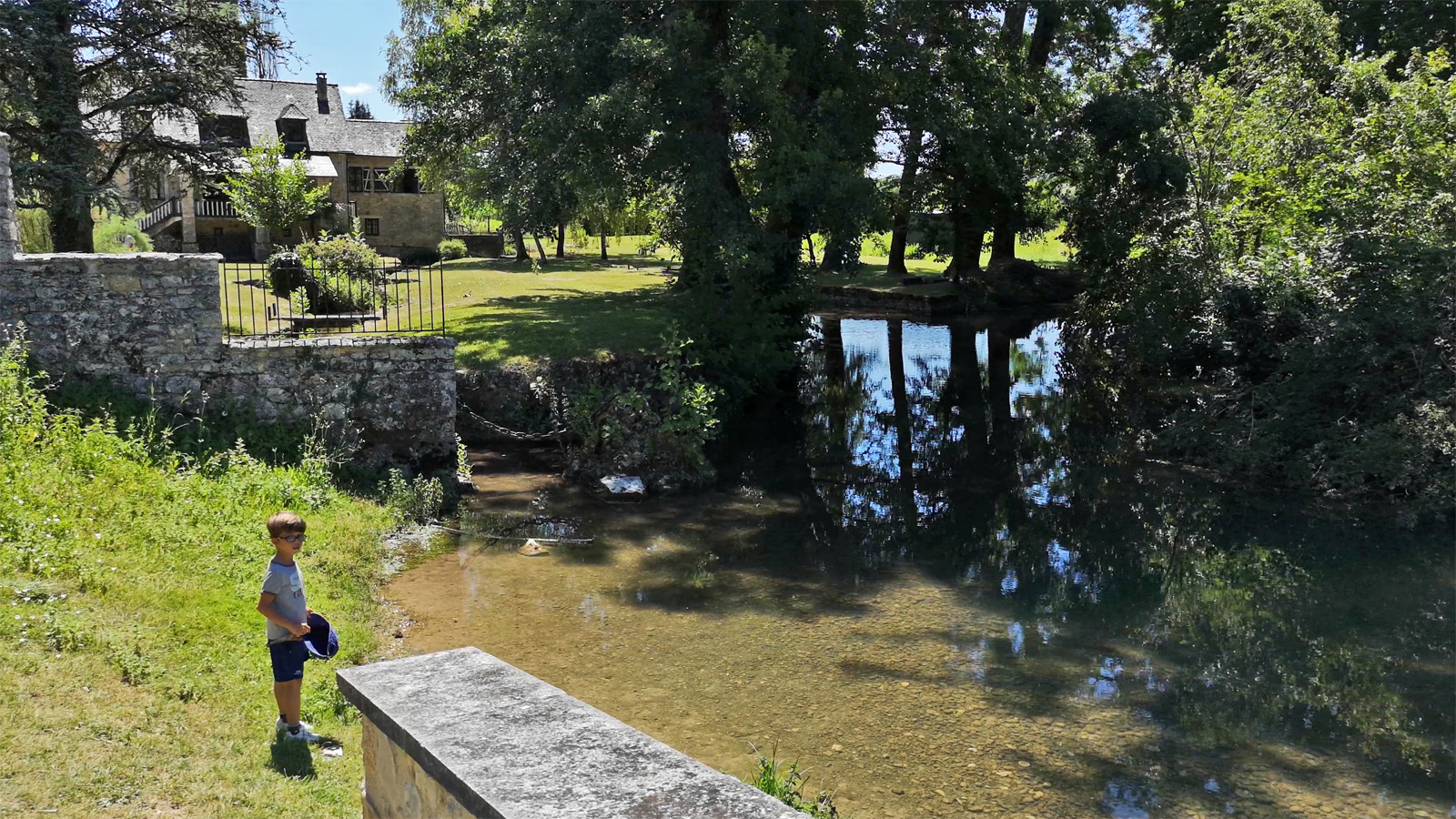
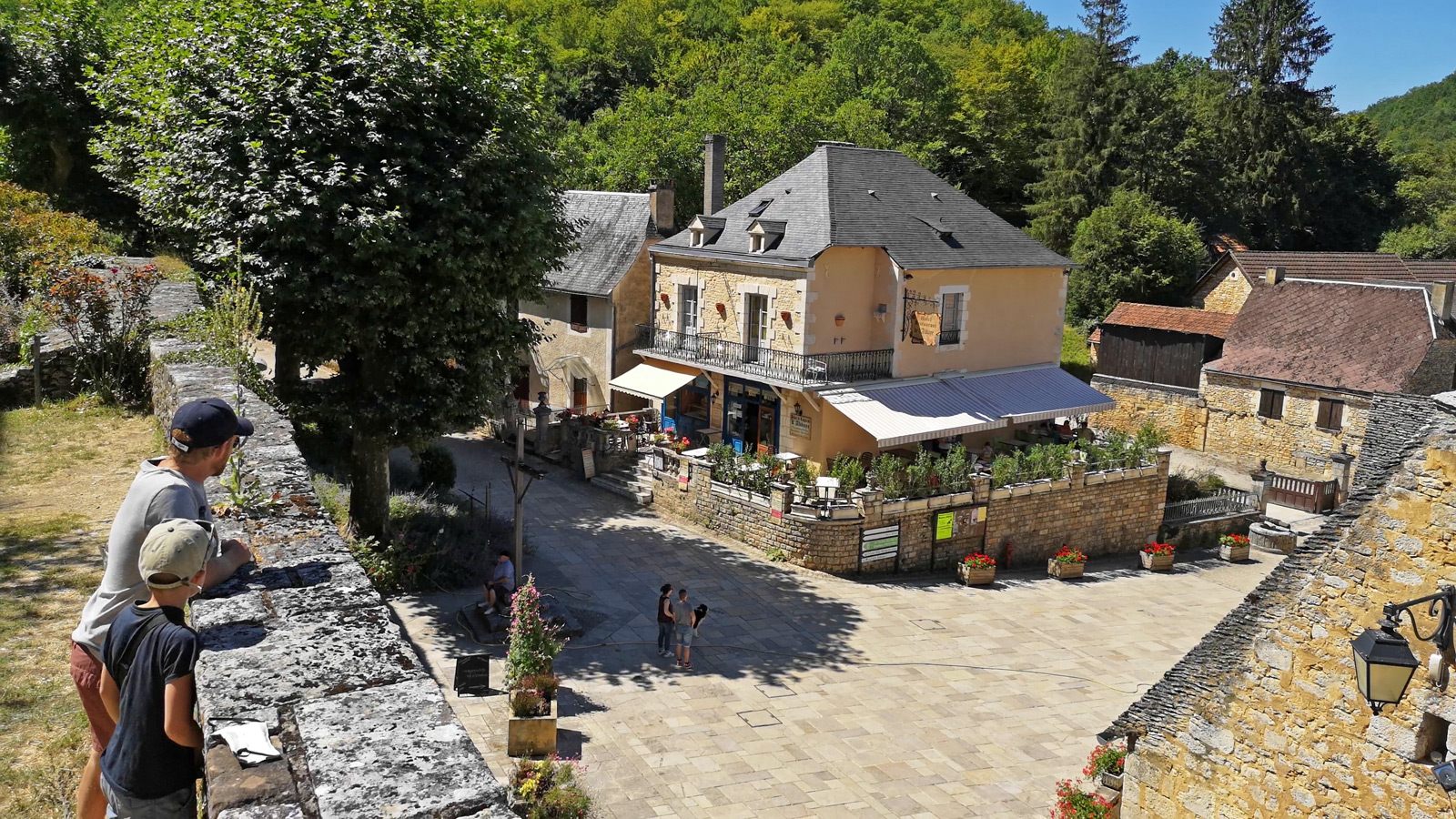
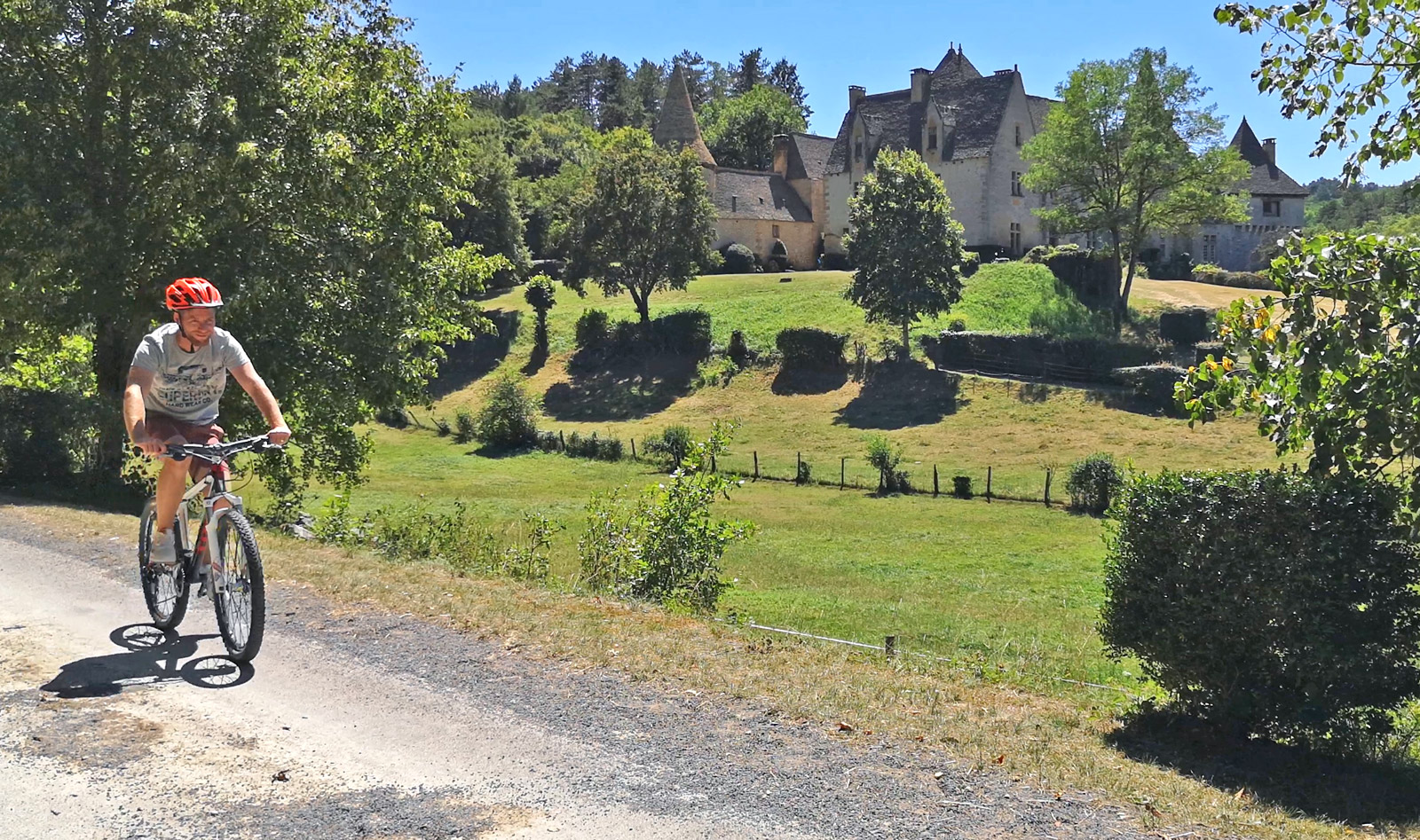
Saint-Léon-sur-Vézère, nestled in the valley of the river
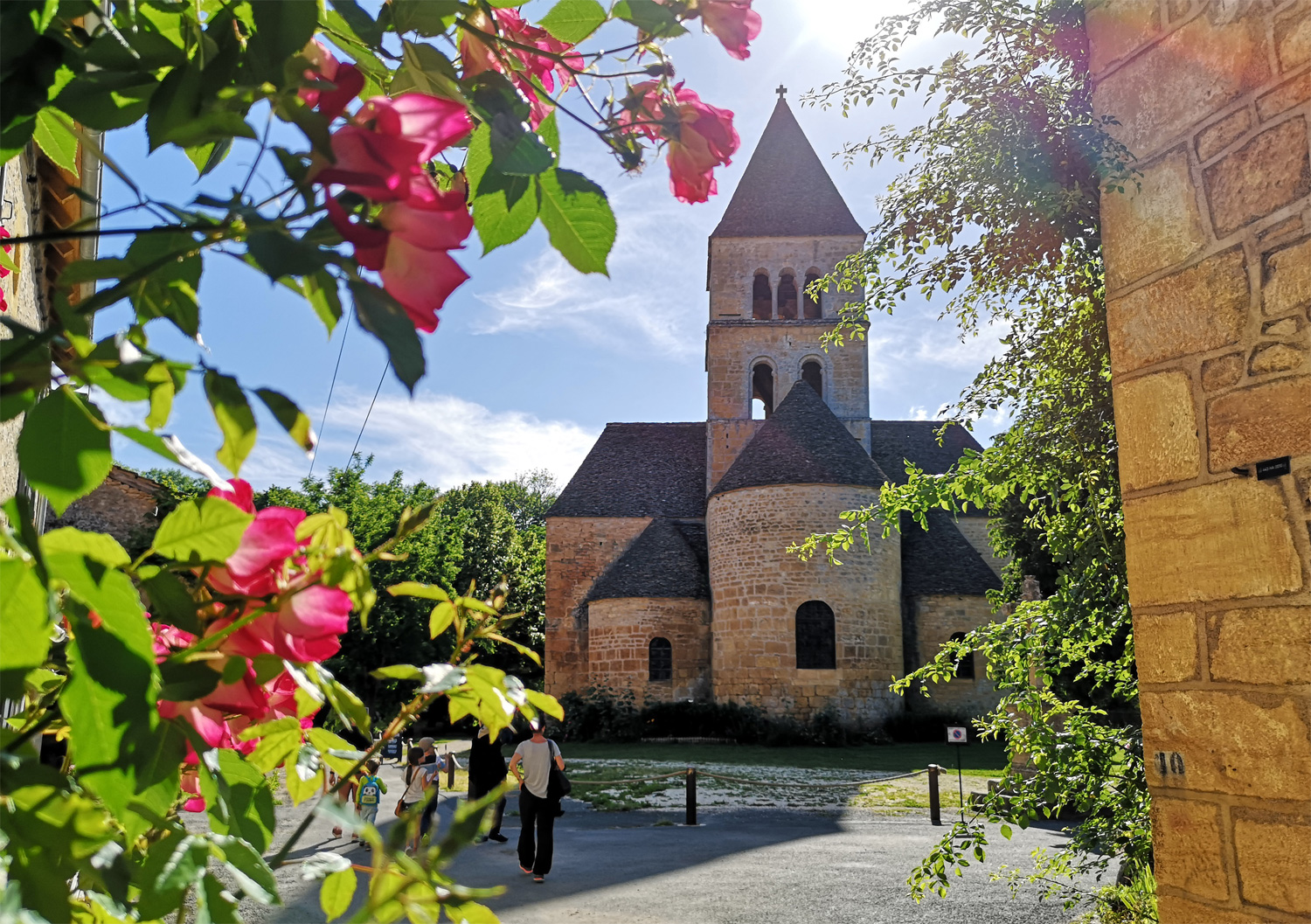
Saint-Léon-sur-Vézère is more than just a village; it's a way of life. In the Vézère Valley, this territory has been inhabited by humans for tens of thousands of years. Between the Lascaux Caves in Montignac on one side and all the vestiges that unfold like a rosary of human history towards Les Eyzies on the other, it is in a bend of the river that Saint-Léon-sur-Vézère developed around a Benedictine priory and its beautiful Romanesque church in the 12th century. Fast forward a few centuries to the time of the boatmen, who transported food and goods on their boats along the wild Vézère River. She does not hesitate to often get out of bed to lick the facades of the houses of the inhabitants, who are used to and respect the moods of Mother Nature.
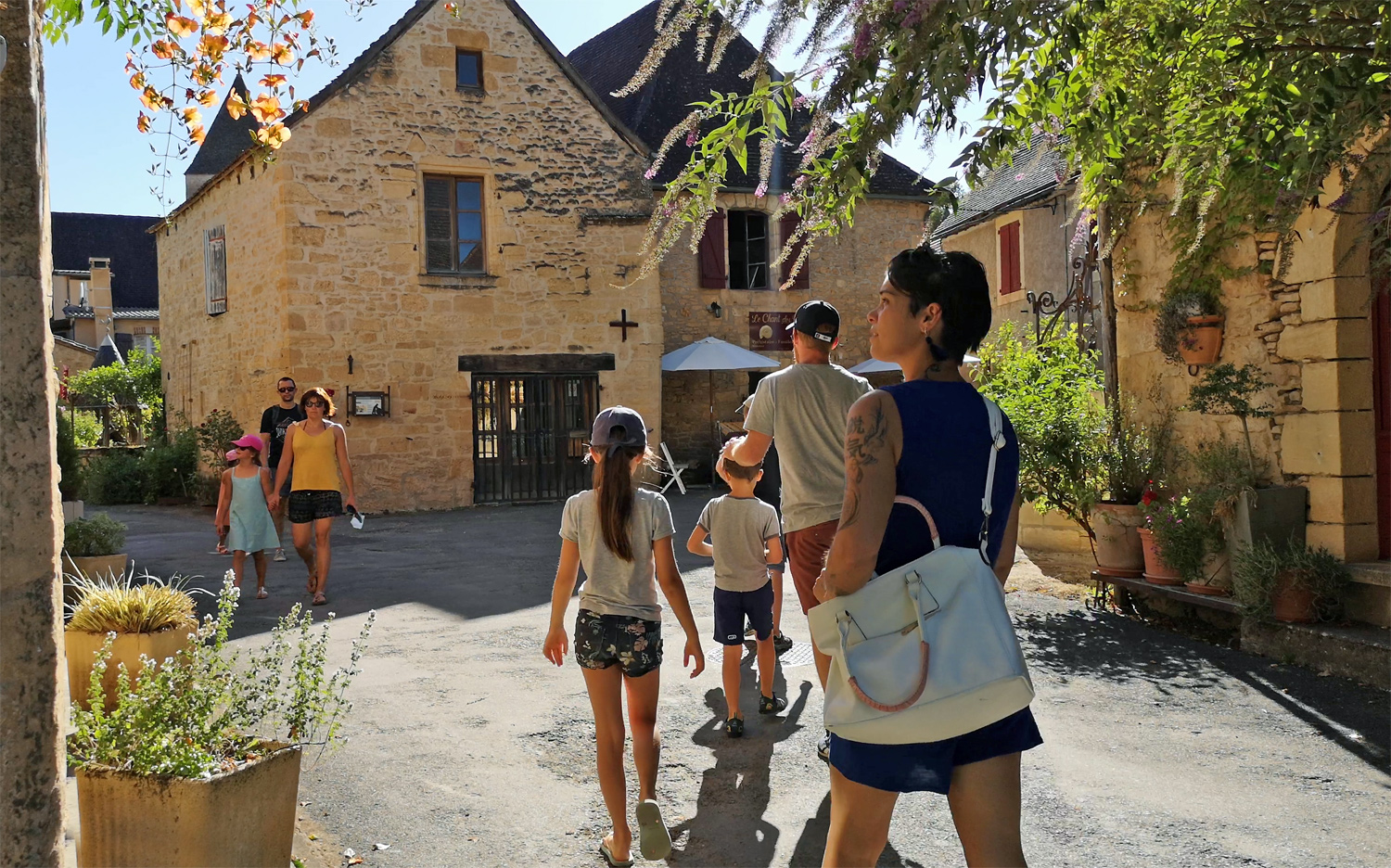
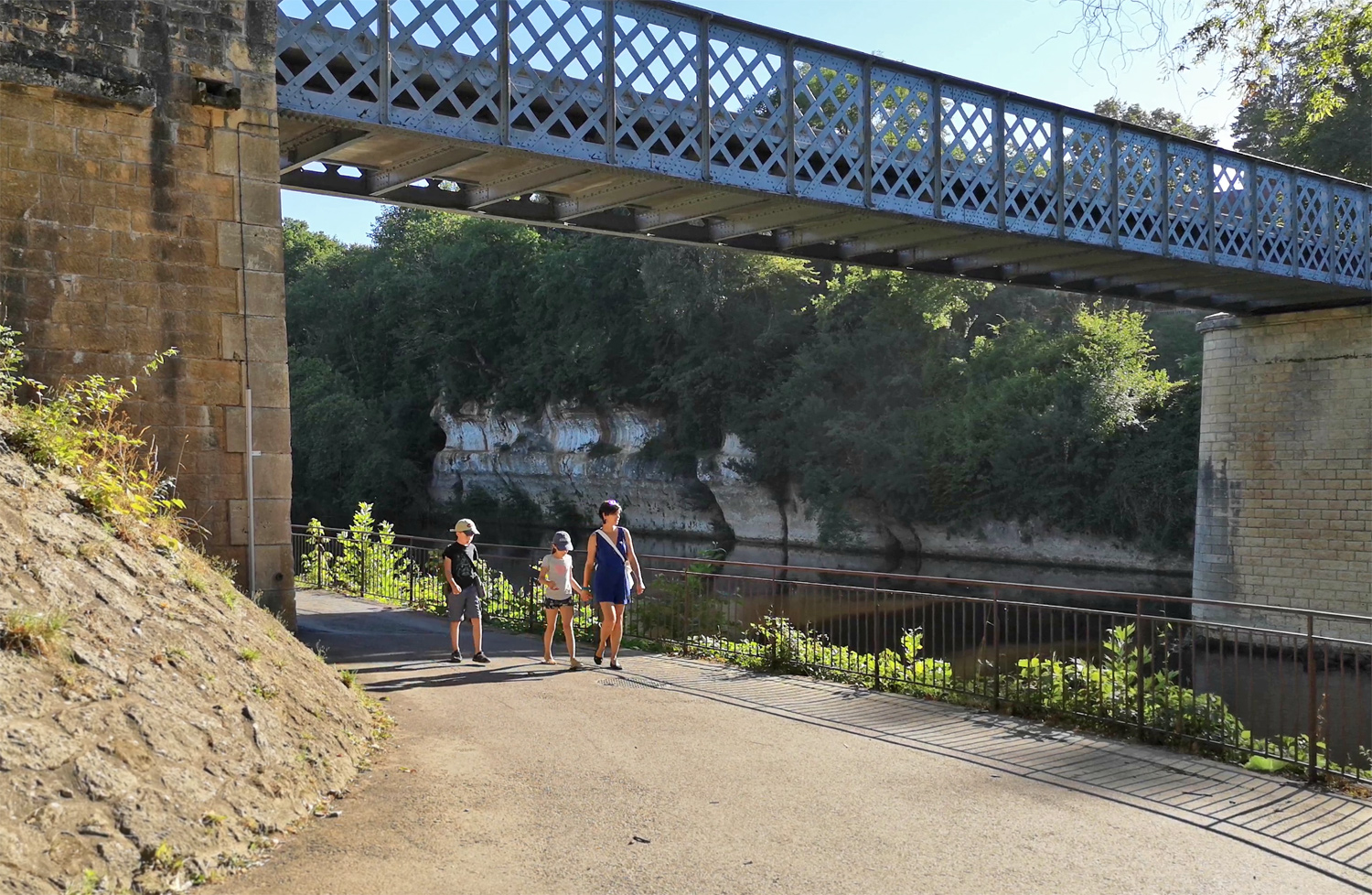
Take a stroll through Saint-Léon-sur-Vézère, cross the Eiffel-style metal bridge in front of the Town Hall square (the former Maison de la Marine). Park your car and explore the charming, compact village on foot. You'll pass the Manoir de la Salle (my gut tells me it will soon be a new tourist attraction…), wander through the village and happily lose yourself in the narrow, winding streets, step into the workshops of numerous talented artisans, and stop by the Vézère River for a picnic, an ice cream, a walk along the path to the Château de Clérans, or to admire the magnificent Romanesque church (go inside!), which hosts classical music concerts during the Périgord Noir Festival in the summer. Life is good here, there are delicious restaurants for every budget, and plenty of options for family fun after a good meal!
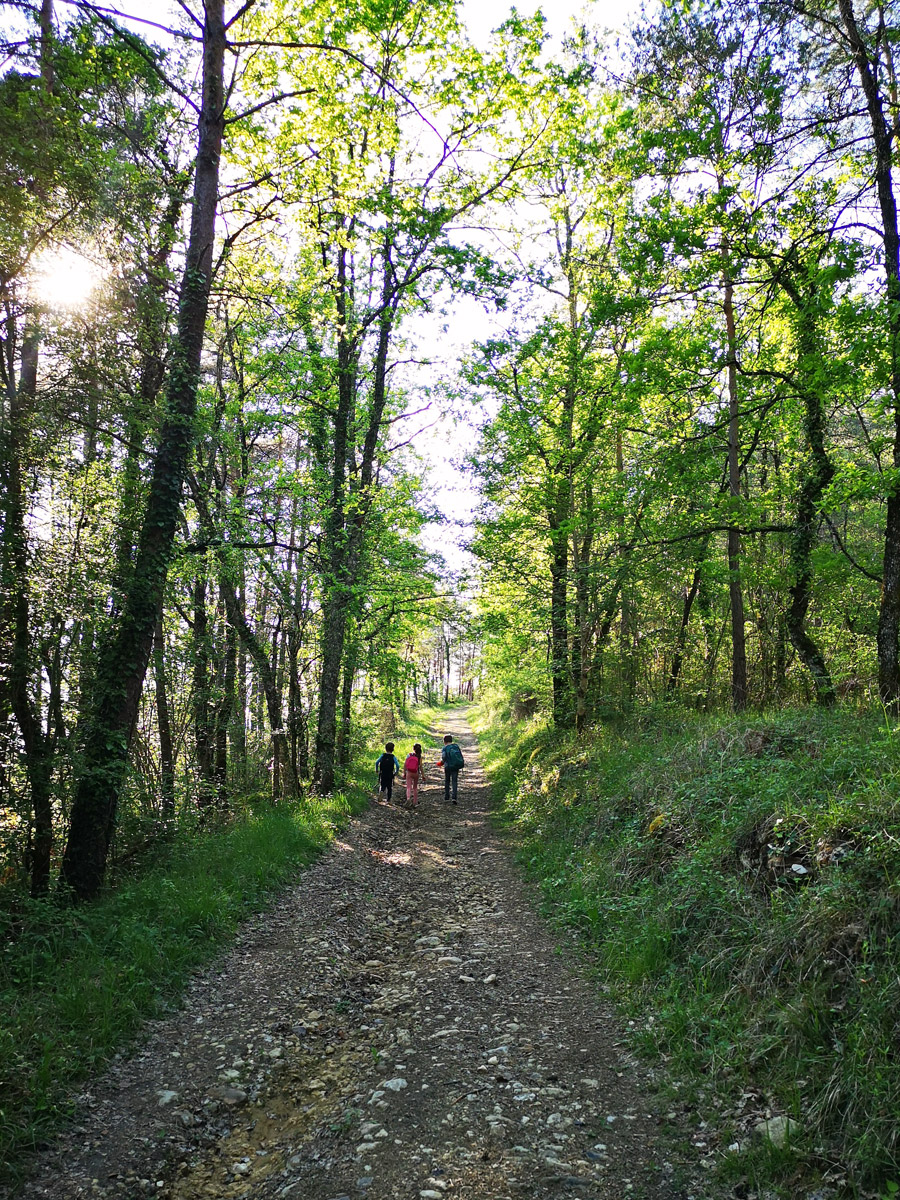
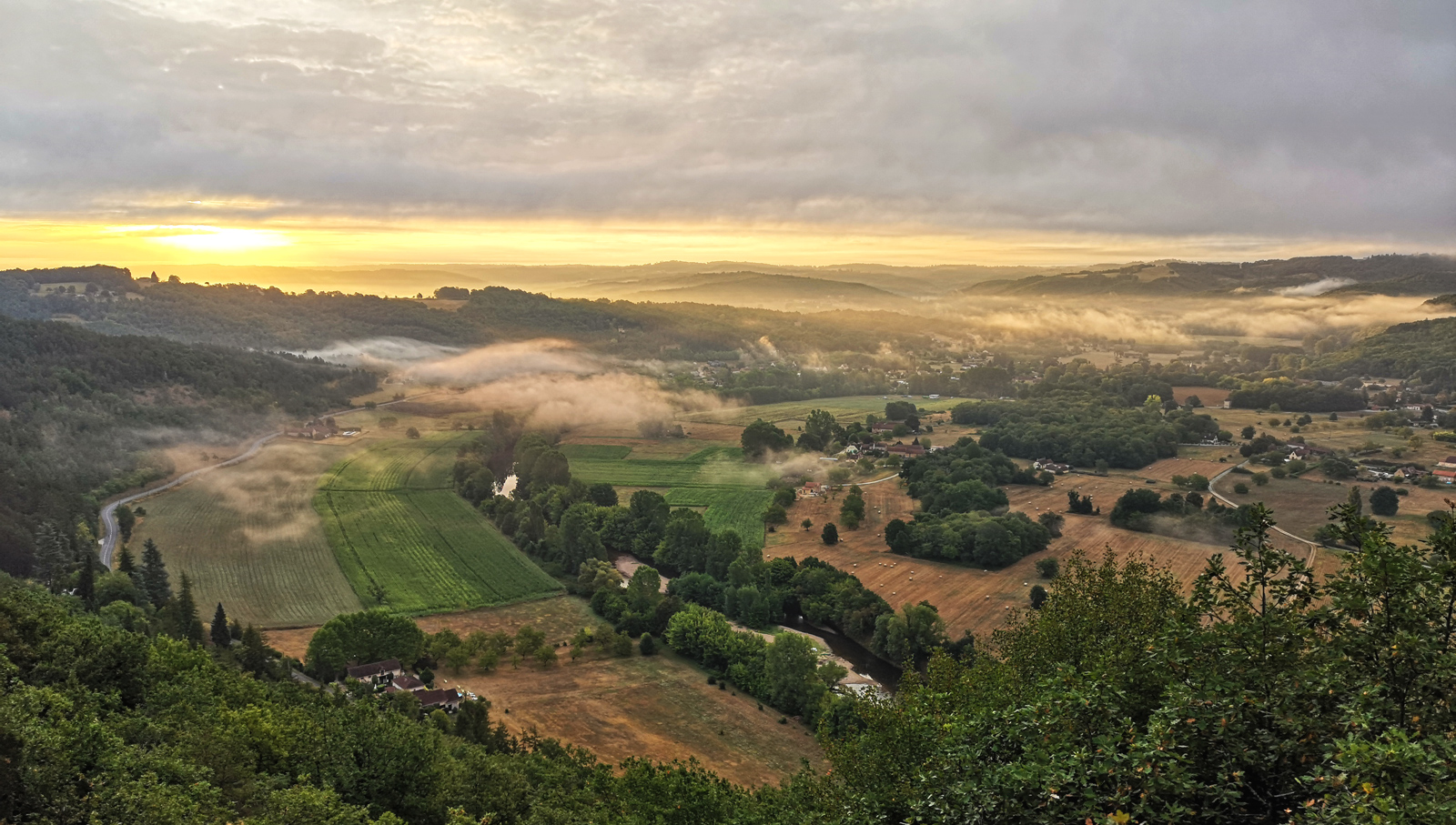
Rent a canoe for a leisurely or more adventurous paddle down the Vézère River. Bring your mountain bike or hiking boots, as there are numerous marked trails and paths around the town. Continue to the top of the Côte de Jor : along the way, you'll find several Tibetan Buddhist centers, as Saint-Léon-sur-Vézère is a significant spiritual center. Once you reach the top of the Côte de Jor, admire one of the most beautiful panoramic views in the region—unobstructed and breathtaking! Take the children to the treetop adventure park, Parc le Conquil, just a short distance from the village towards Peyzac-Le-Moustier. Saint-Léon-sur-Vézère is truly wonderful…

APA - Aventure Plein Air
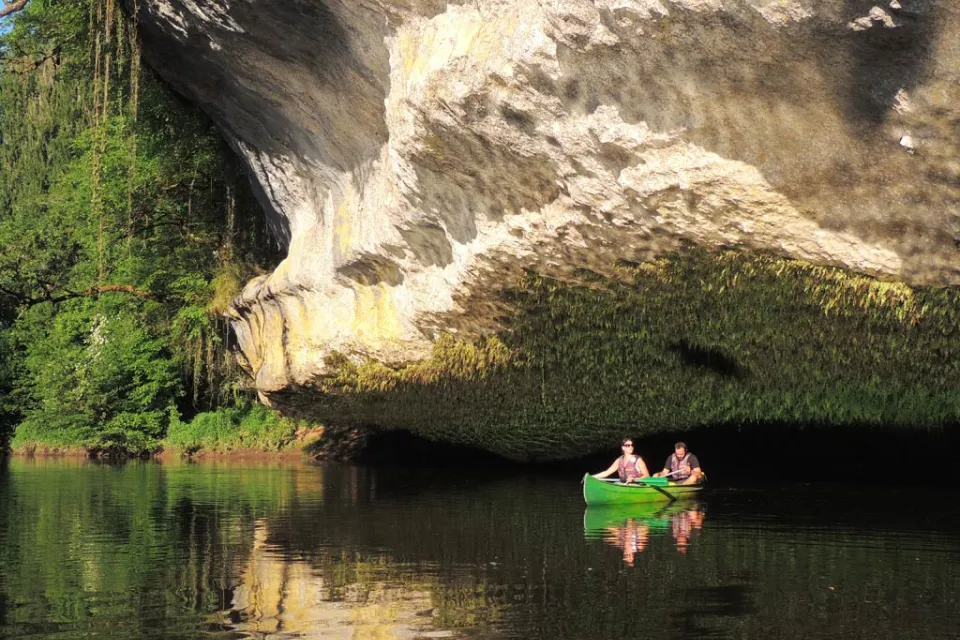
Discover the Vézère Valley and its prestigious tourist sites
88 m
APA - Aventure Plein Air
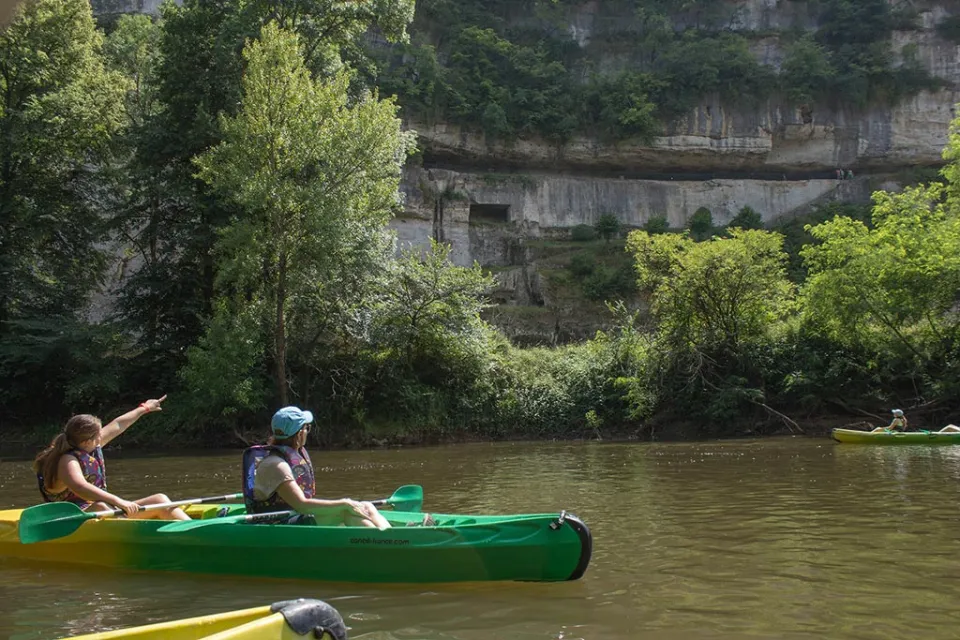
Riverside walks in Saint Léon sur Vézère
88 m
PréhistoBranche
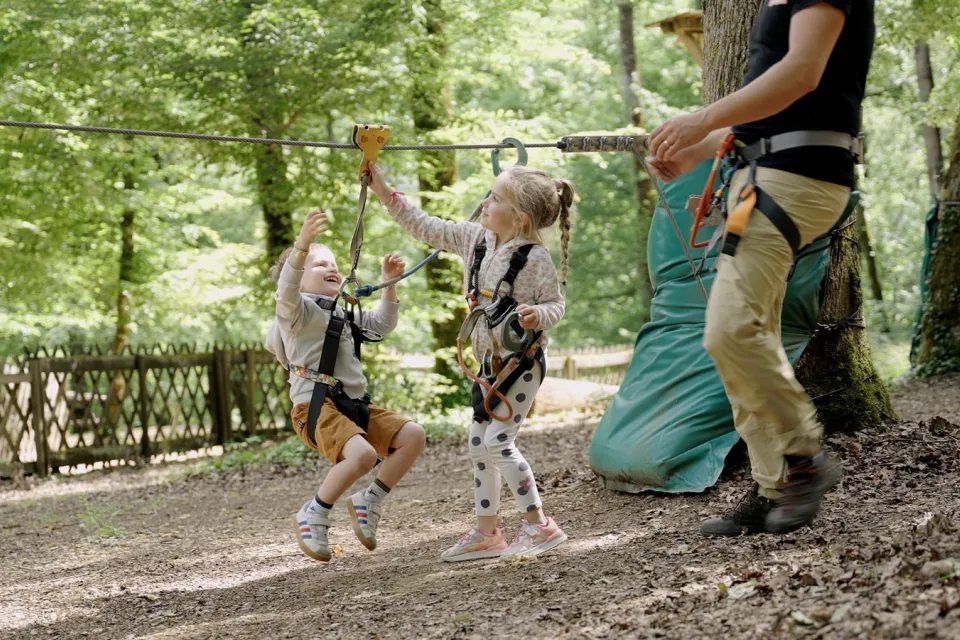
Tree climbing course in the heart of the Vézère valley
260 m
Limeuil, at the confluence of the Vézère and the Dordogne
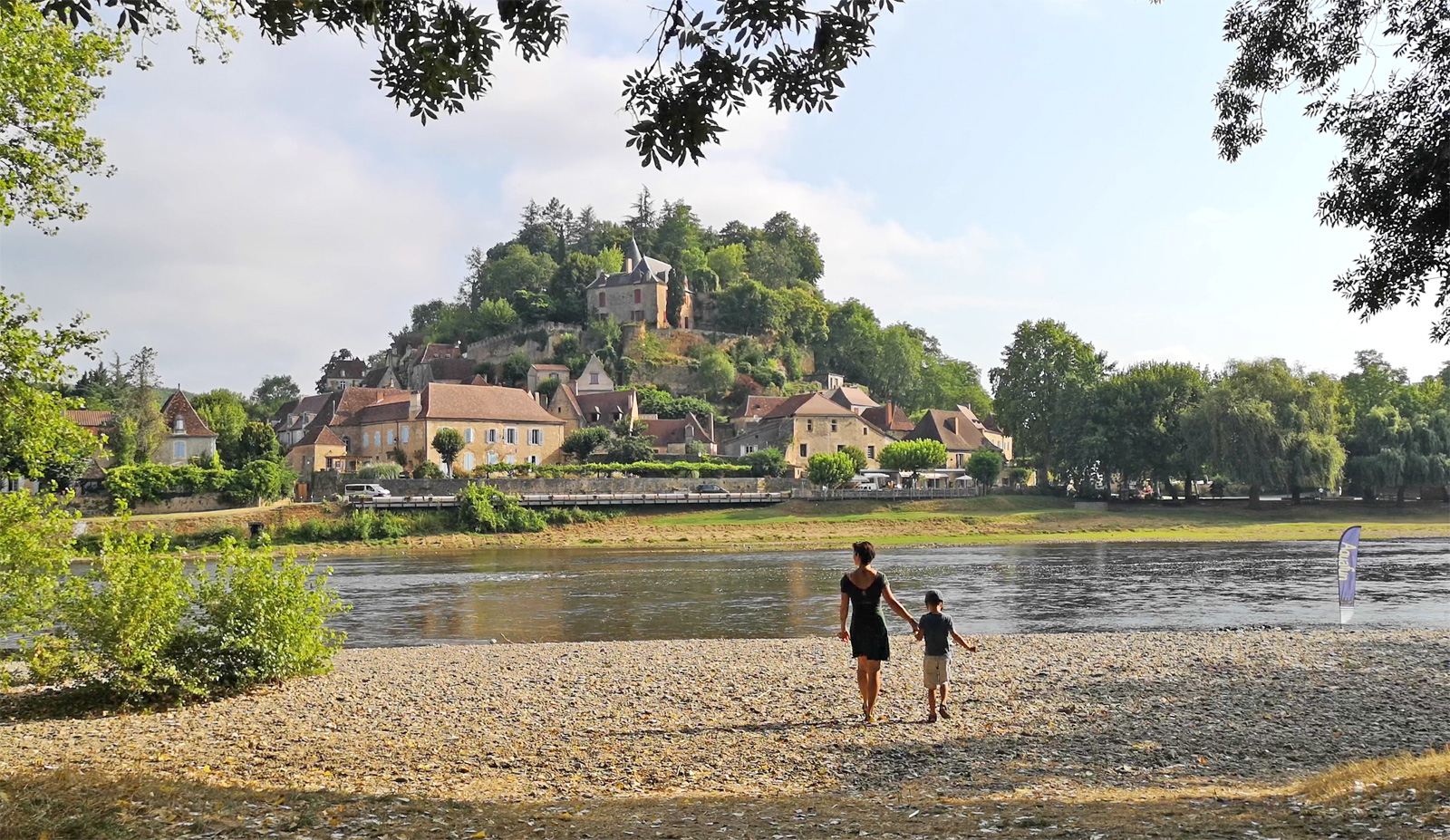
The Vézère, flowing through the Périgord Noir, ends its wild journey here at Limeuil, where it meets the equally turbulent waters of the Dordogne. Together, they carry you to the Bec d'Ambès to form the Gironde estuary. Returning to the Périgord, Limeuil is a village of artists and artisans, a village also marked by river transport, for in the Middle Ages it was a large, lively, and bustling port.
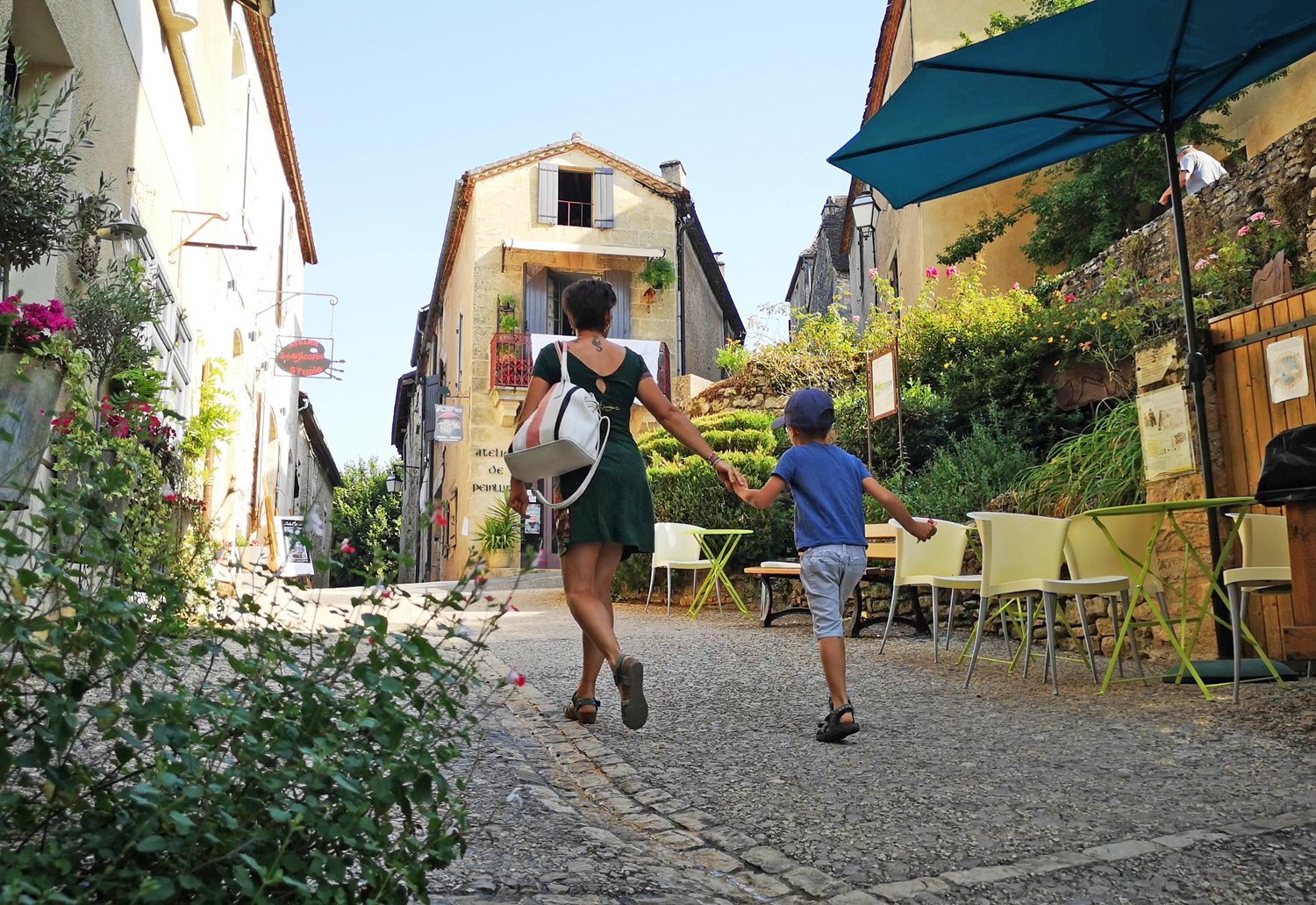
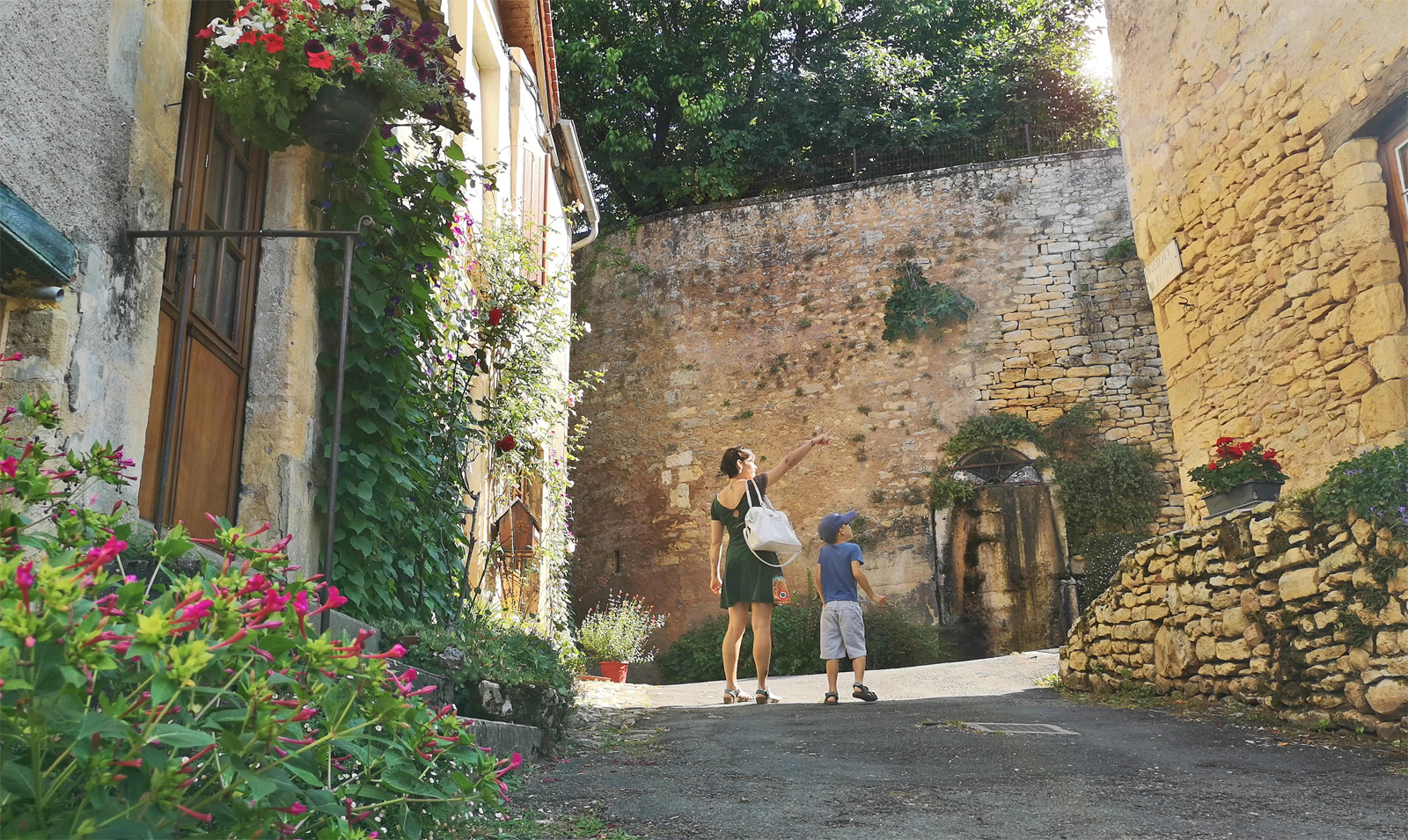
Limeuil is built on a hill. At its summit, where the fantastic Panoramic Gardens now stand (a must-see to learn about the local flora and fauna, participate in an Escape Garden, and admire a breathtaking panorama), there once stood a fortified castle. Why? Because it's a strategic location, right on the water's edge, with its back to the hillside, overlooking two rivers and a small plain perfect for a trading port just in front of the village. From this era, the remains of the fortifications and the three gates into the town still exist. Go up through the Grand Port Gate on Rue du Port and wander through the narrow streets, lined with neatly aligned houses, some half- timbered, others attached to a henhouse or a hanging garden. Climb up to the upper town and continue to the Church of Saint Catherine, which watches over the town below.
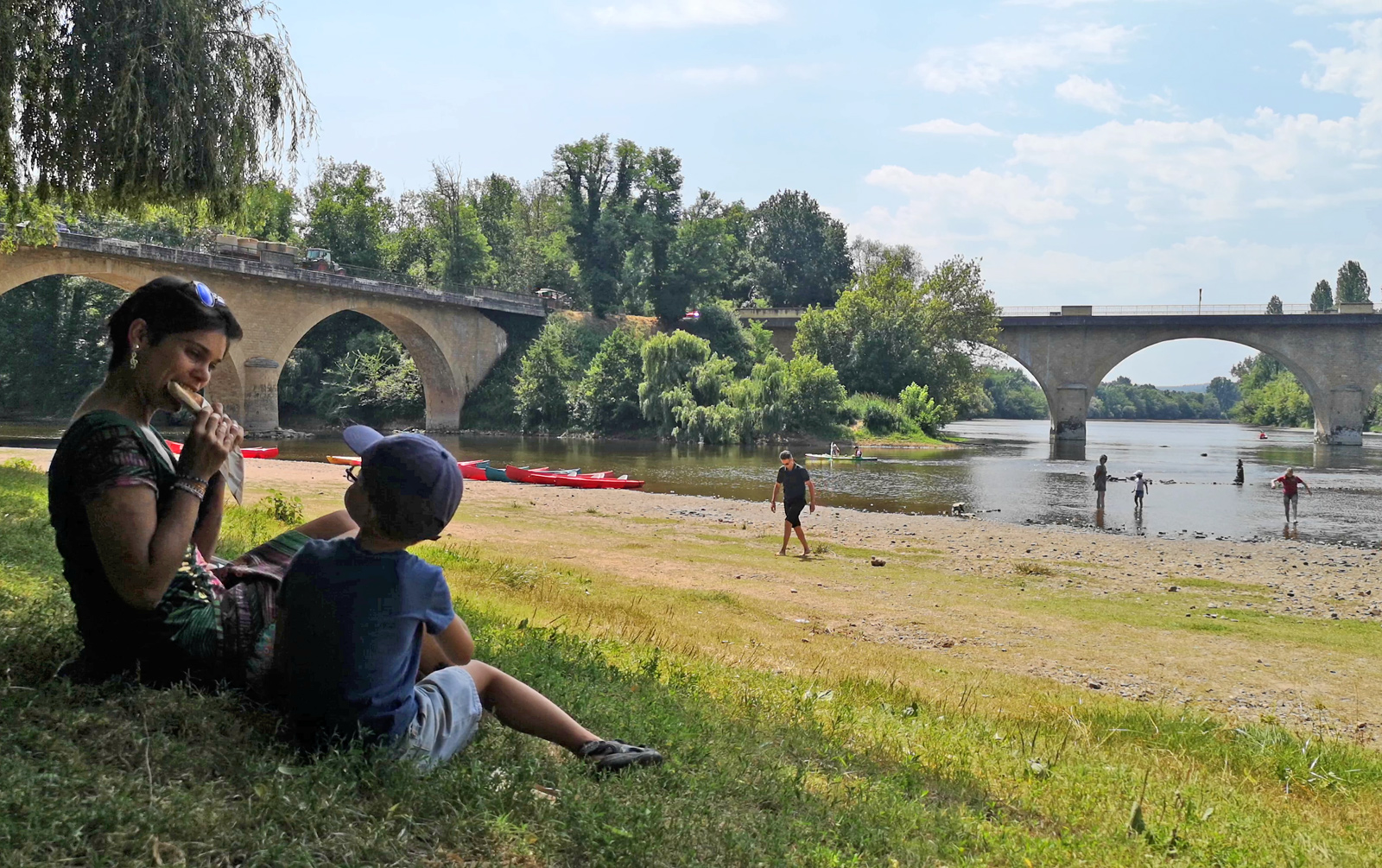
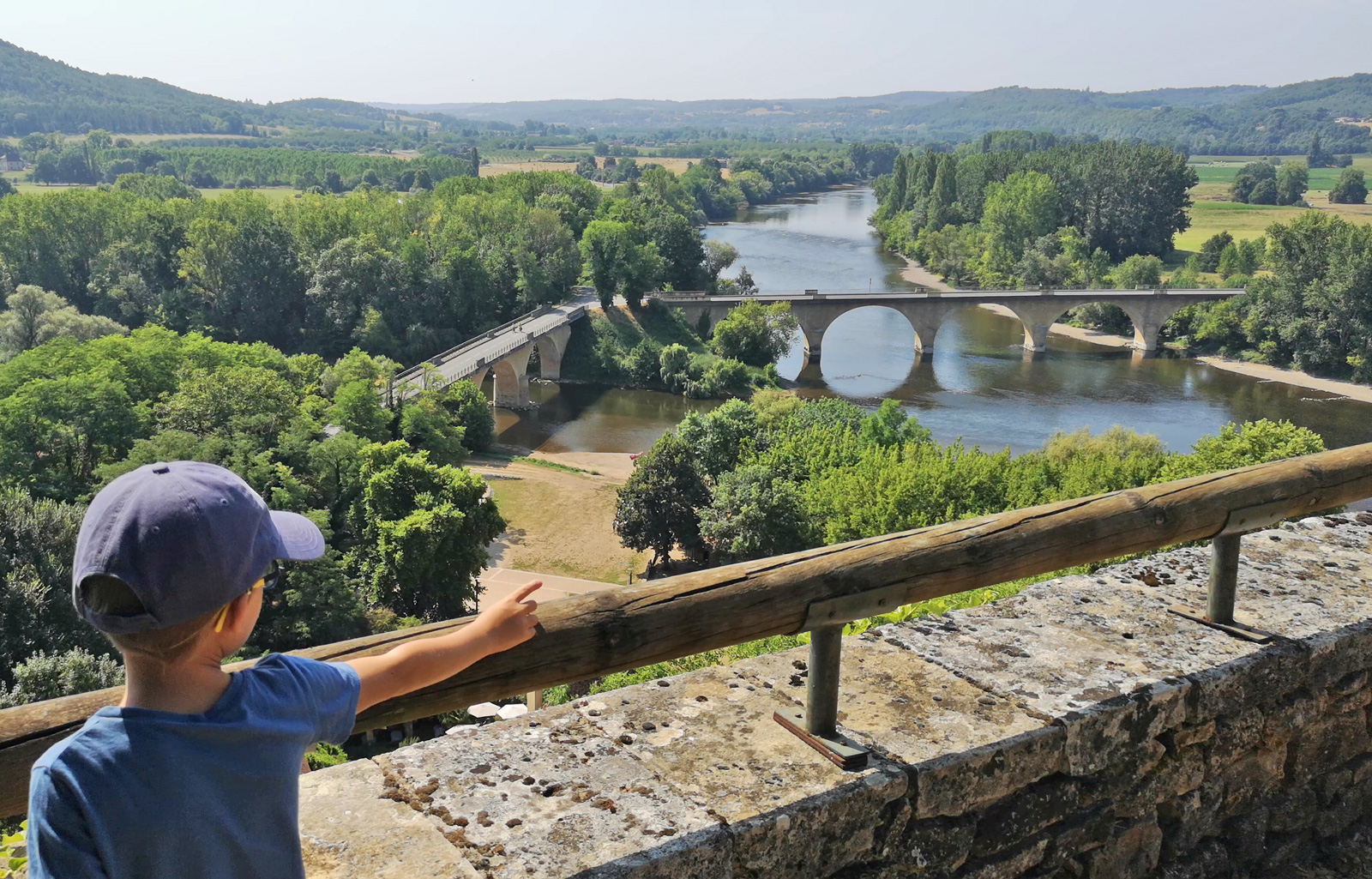
Limeuil is such a peaceful place that it inspires artists and craftspeople. Come and meet them! Glassblowers, basket weavers, painters, potters —many make Limeuil their muse, and the village is a veritable art gallery in the warmer months. For a break, fill a basket with local delicacies to enjoy in a bohemian, rustic style on the grassy esplanade by the water. Prefer to sit down at a table? Limeuil has no shortage of excellent restaurants ! Fancy a bit of exercise? There are walking trails around the village and canoe rentals for an adventure upstream on one of the two rivers!
Camping du Port de Limeuil

Stay at the confluence of the Dordogne and Vézère rivers
523 m
Les Balcons de l'Espérance
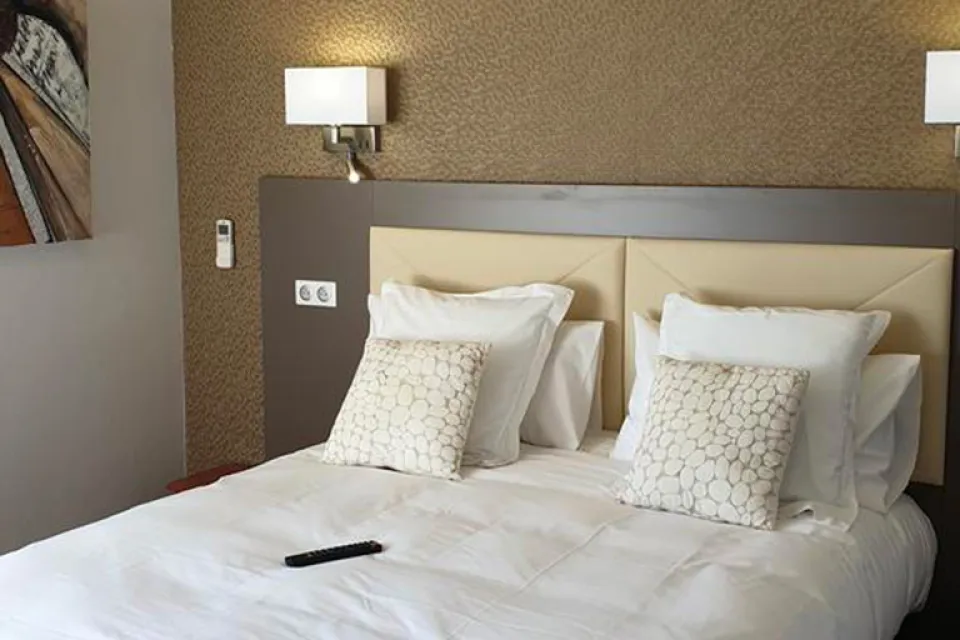
Comfort and tranquility in a natural setting in Limeuil
813 m
Domain of Vitrolle

Spacious apartments and holiday rentals in Limeuil
1,4 km
Beynac-et-Cazenac: a journey through time
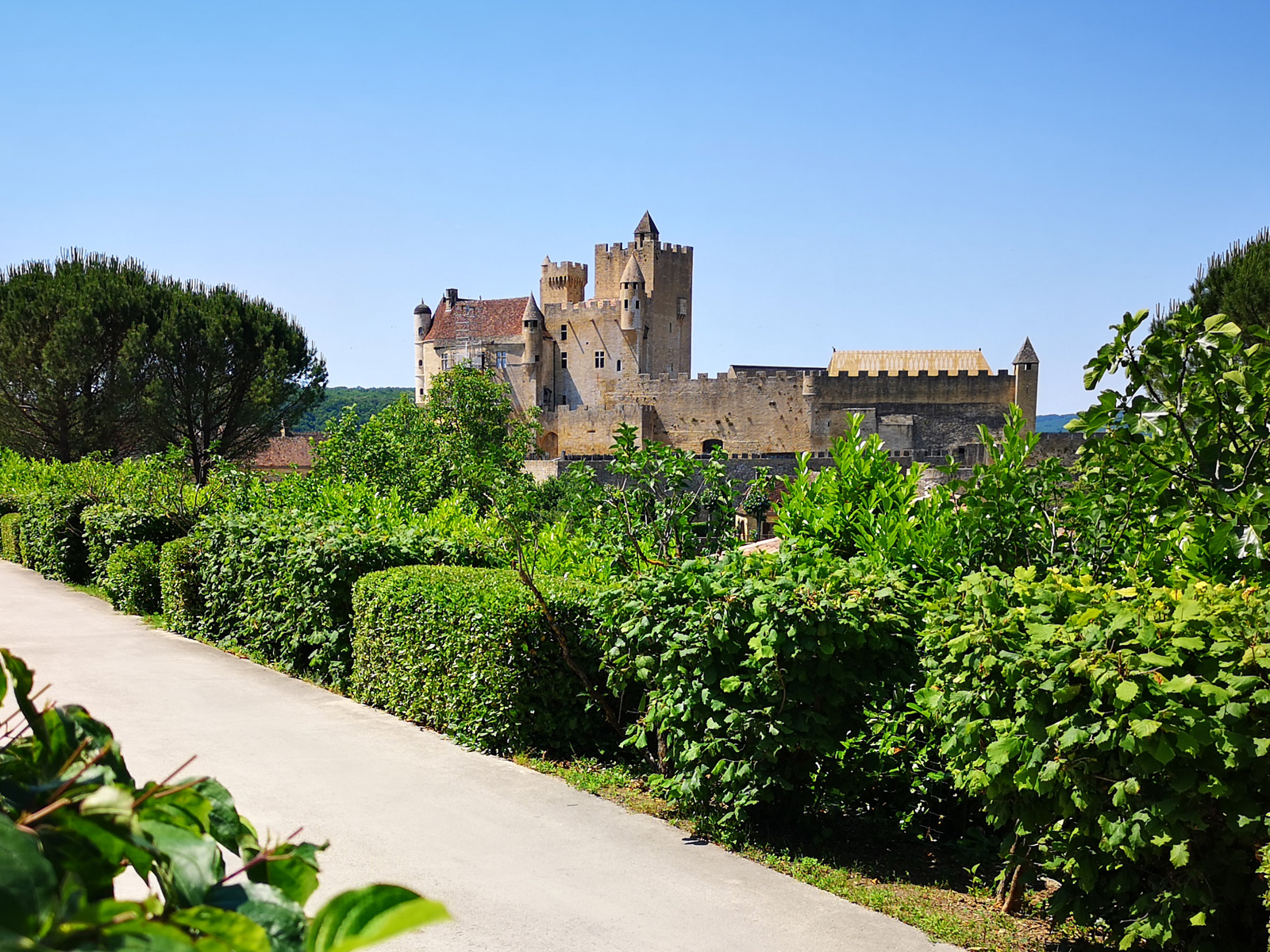
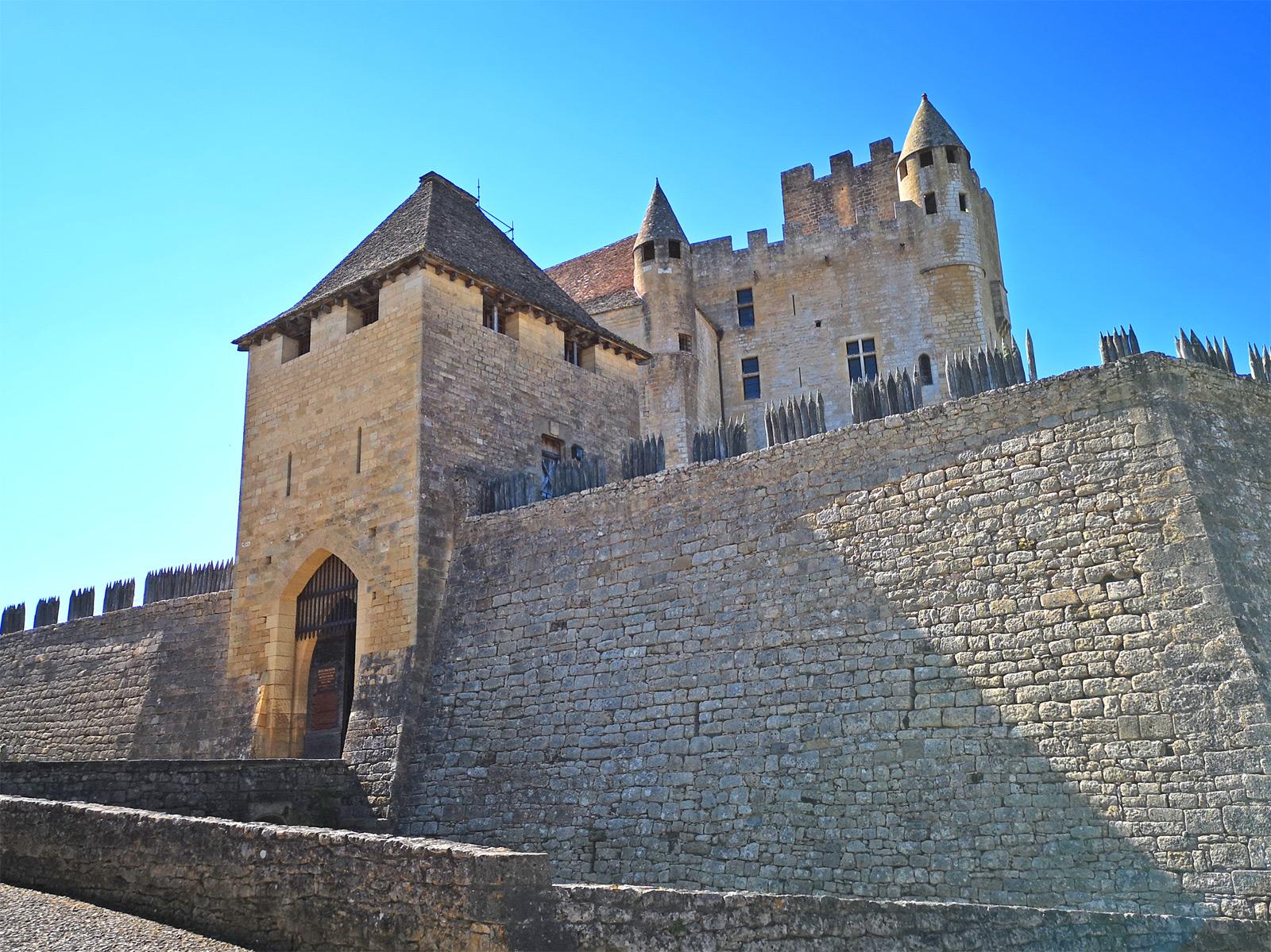
Filmmakers know it: Beynac, with its narrow streets, its castle, and its view, is a gem that deserves everyone's attention. The village is perched atop the rocky outcrop; it climbs steeply, the streets winding their way up, and the houses cascade down until they reach the Château de Beynac, which overlooks the Dordogne Valley, its summit a sheer 152 meters high. It's breathtaking, a real workout, but so rewarding to conquer Beynac! The cobbled streets are bordered by the blond/ochre facades of houses with their imposing, heavy slate roofs, so characteristic of the region. Many feuds have taken place in Beynac… In the 12th century, the castle was the object of much covetousness ; it was built by the powerful Beynac family, one of the four baronies of Périgord. It's not located just anywhere! It overlooks the valley and, within it, the Dordogne River, a vital trade and waterway. The bargemen who traveled along and transported goods had to pay a toll to the Lord. In the 13th century, fishermen cast their lines and nets into the fish-filled waters, catching salmon. Through a series of inheritances and bequests, the Château de Beynac became the property of Richard the Lionheart, Eleanor of Aquitaine's son, at a time when the Dordogne River was caught in the crossfire between France and England.
Beynac in the summer is a delight, like its neighboring village of La Roque-Gageac. The food is excellent, the walks are pleasant (wear good sneakers), and you can take a trip on a traditional flat -bottomed boat (gabarre), go canoeing or kayaking, or even take a hot air balloon ride. Numerous charming little shops offer local food products and quality crafts. An absolute must-see : Climb to the very top of the village; past the cemetery, a path leads to a wayside cross offering a breathtaking view of the valley.
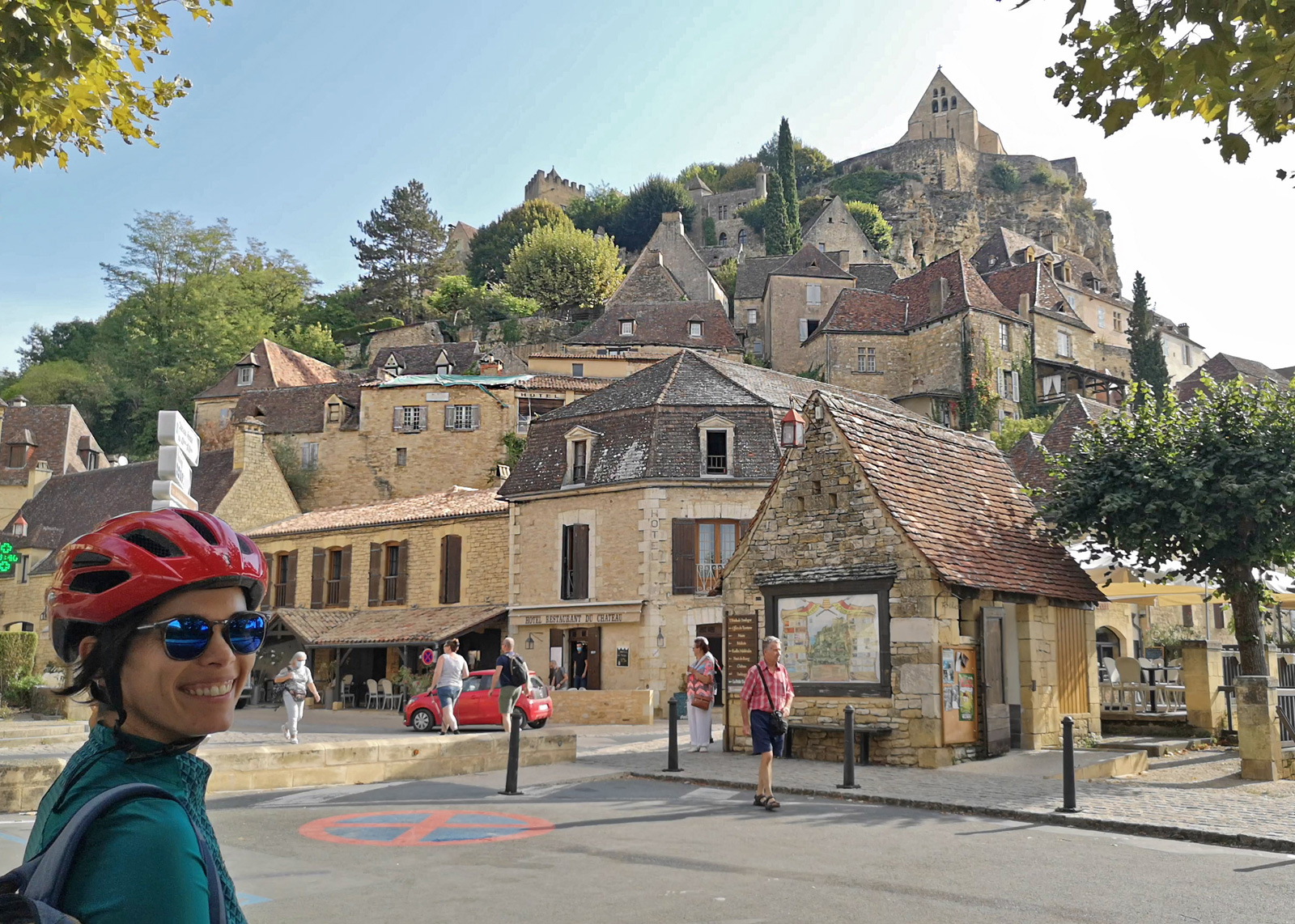
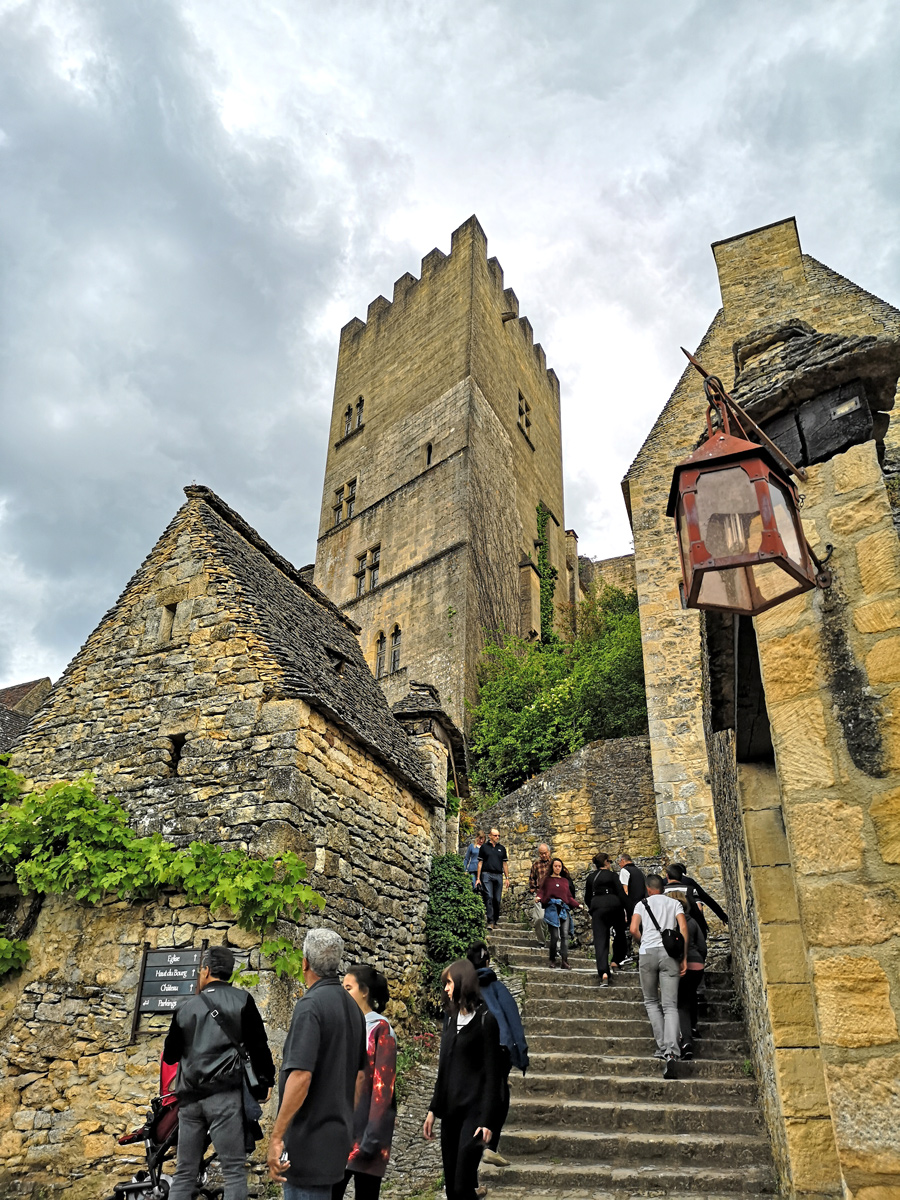
La Roque-Gageac, a delightful maze of narrow streets
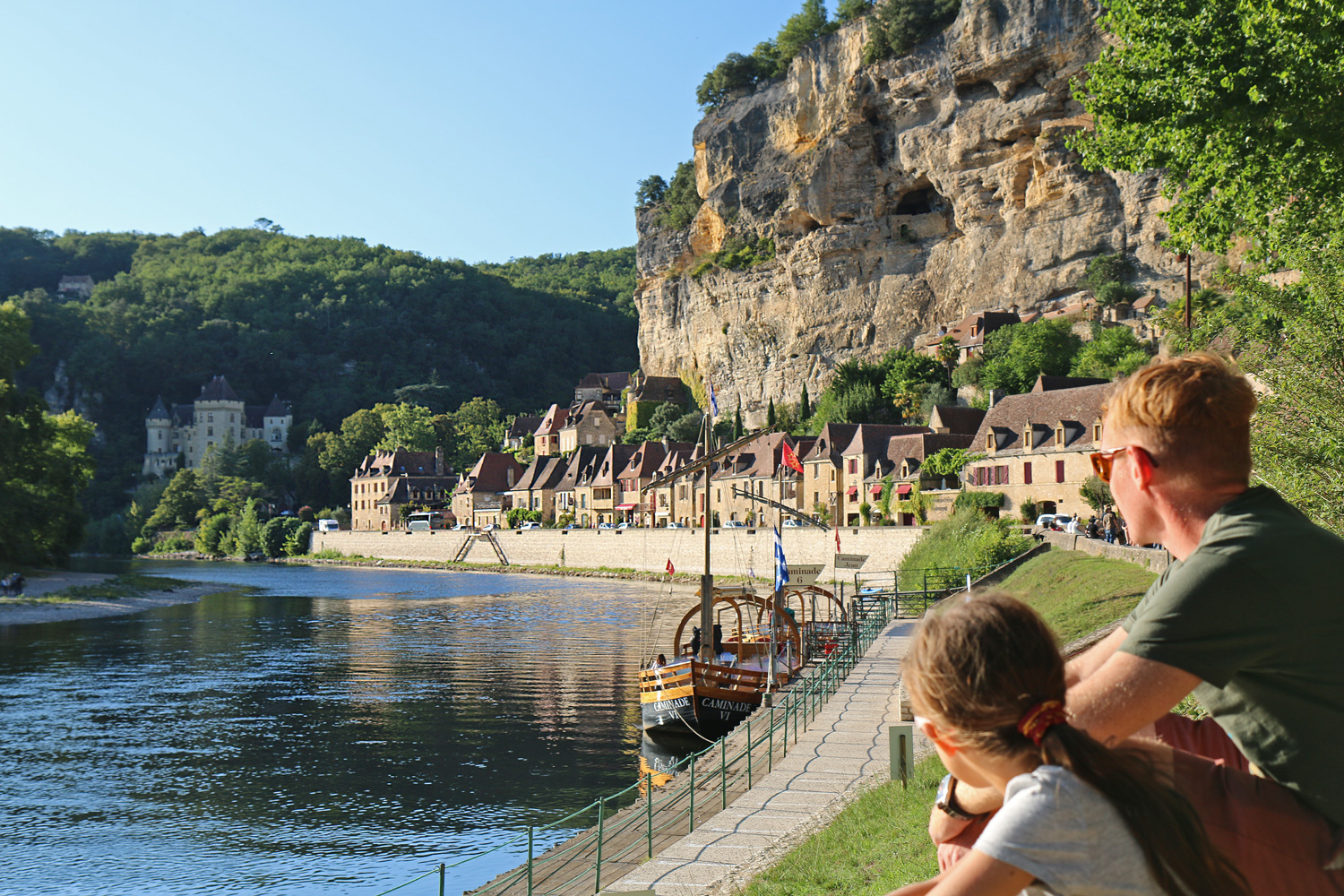
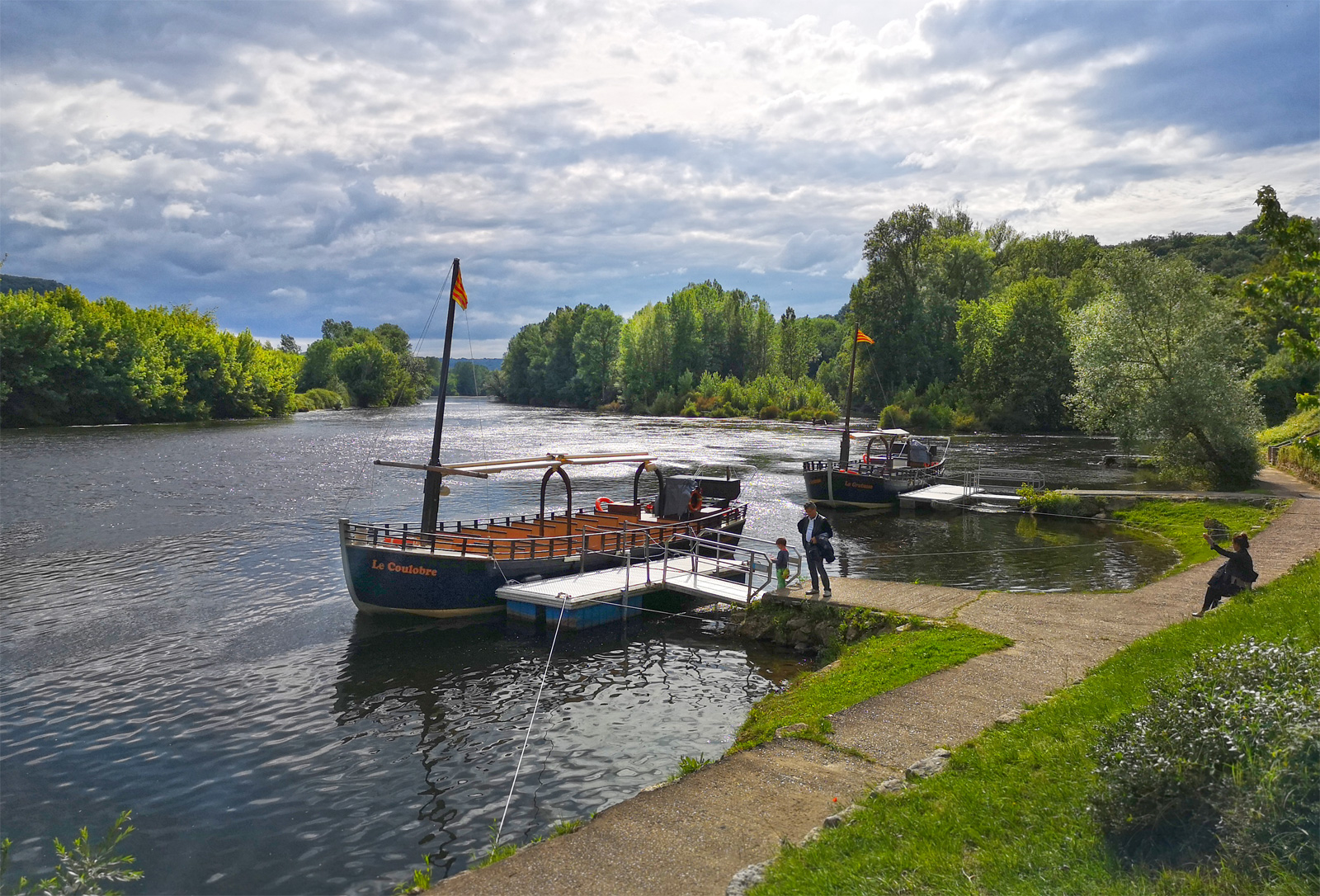
The history of La Roque-Gageac begins in the Middle Ages, with the bargemen. On the Dordogne River, flat-bottomed boats plied the waters from the high forested plateaus of the Auvergne, delivering goods and wood for making barrels … for the renowned Périgord wine and, of course, for Bordeaux wine further downstream. Nestled against the limestone cliffs, La Roque-Gageac may at first glance appear to be a simple row of houses, but park in the large car parks by the river and explore its narrow streets to discover all its secrets!
Just 12km from Sarlat, the medieval town of La Roque-Gageac is one of the most popular villages with tourists in the Périgord region. The Bishops of Sarlat, who took refuge here during the Hundred Years' War, certainly knew what they were doing. Here, you feel safe and secure, with panoramic views. To see for yourself, climb to the top of the troglodytic fort of La Roque-Gageac, which has reopened to visitors after several landslides in 1957 and 2010 that devastated the village (rest assured, everything is now secured with netting). Near the fort is the Manoir de Tarde, once the home of a Canon and close friend of Galileo!
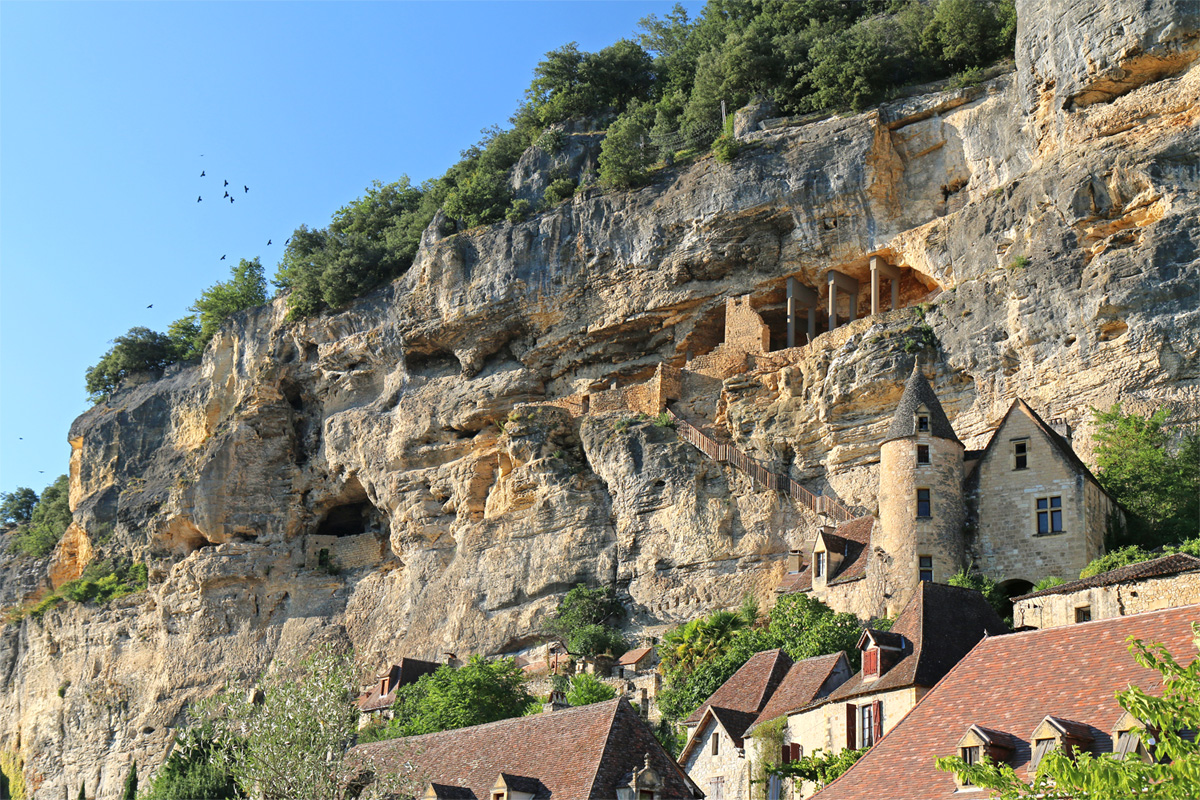
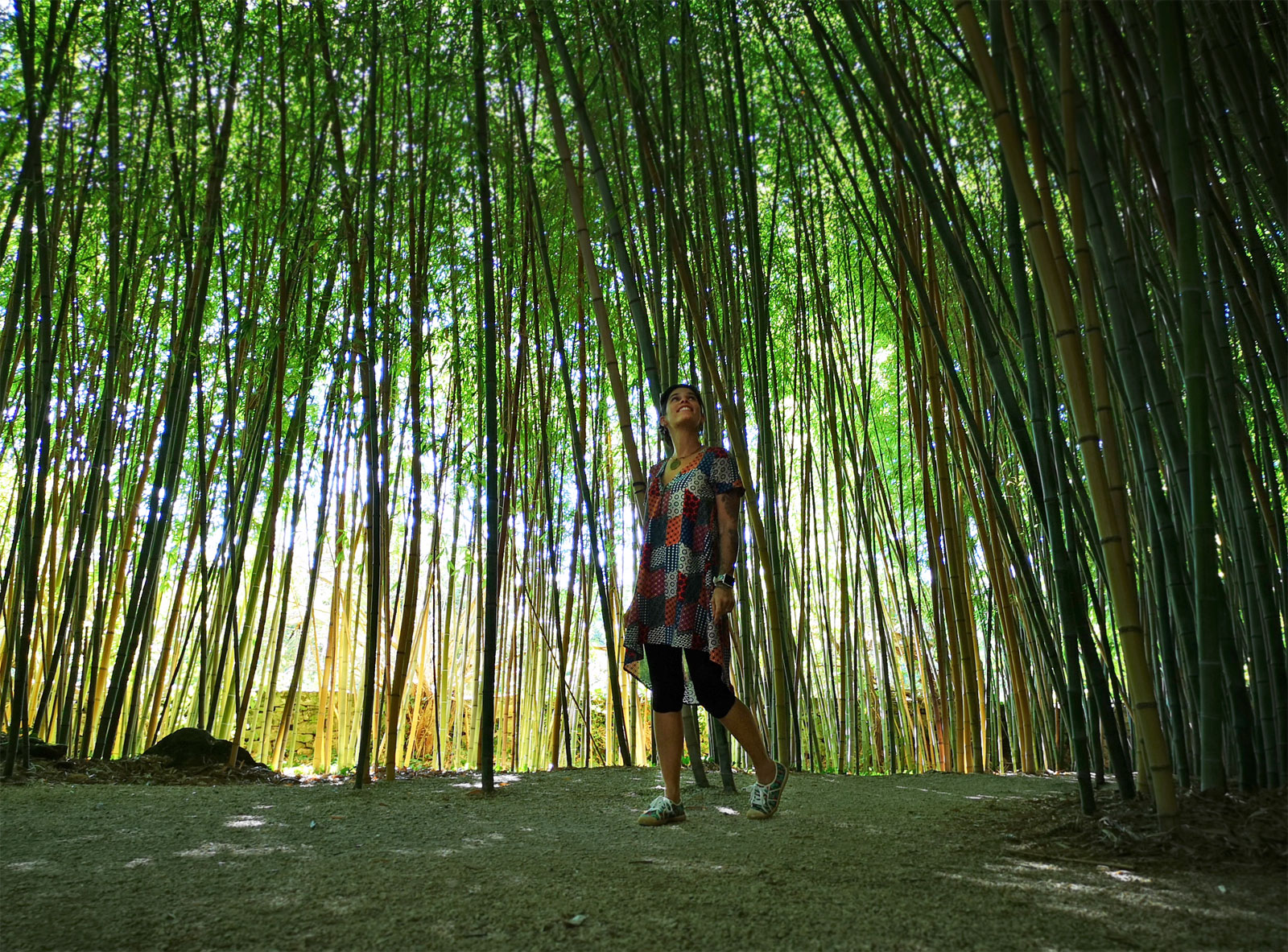
This little corner of the Dordogne has its own microclimate ! The exotic garden in the village center and the magnificent Bamboo Garden of La Roque-Gageac are proof of this. Exotic plants thrive and flourish in this environment, protected by the rock, well-exposed, and sheltered from the prevailing winds.
Domme, the viewpoint overlooking the Dordogne Valley
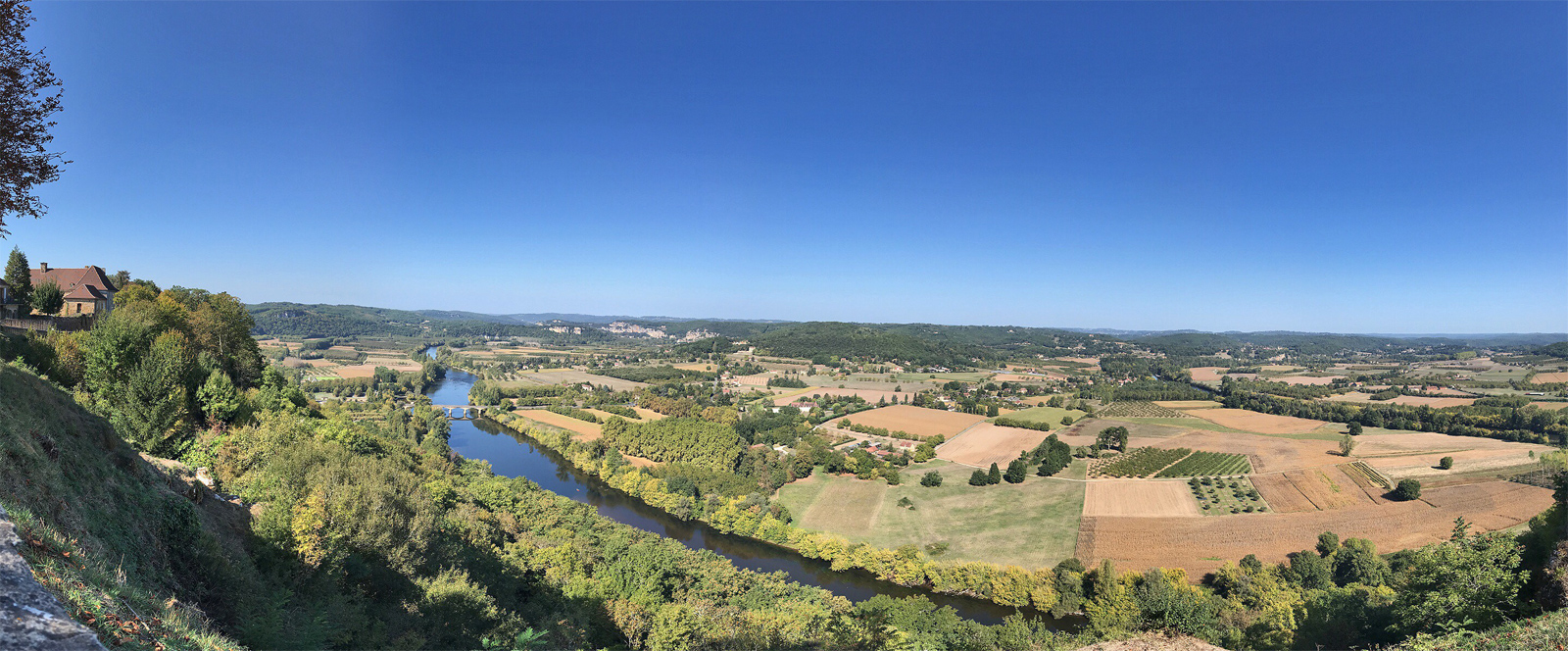
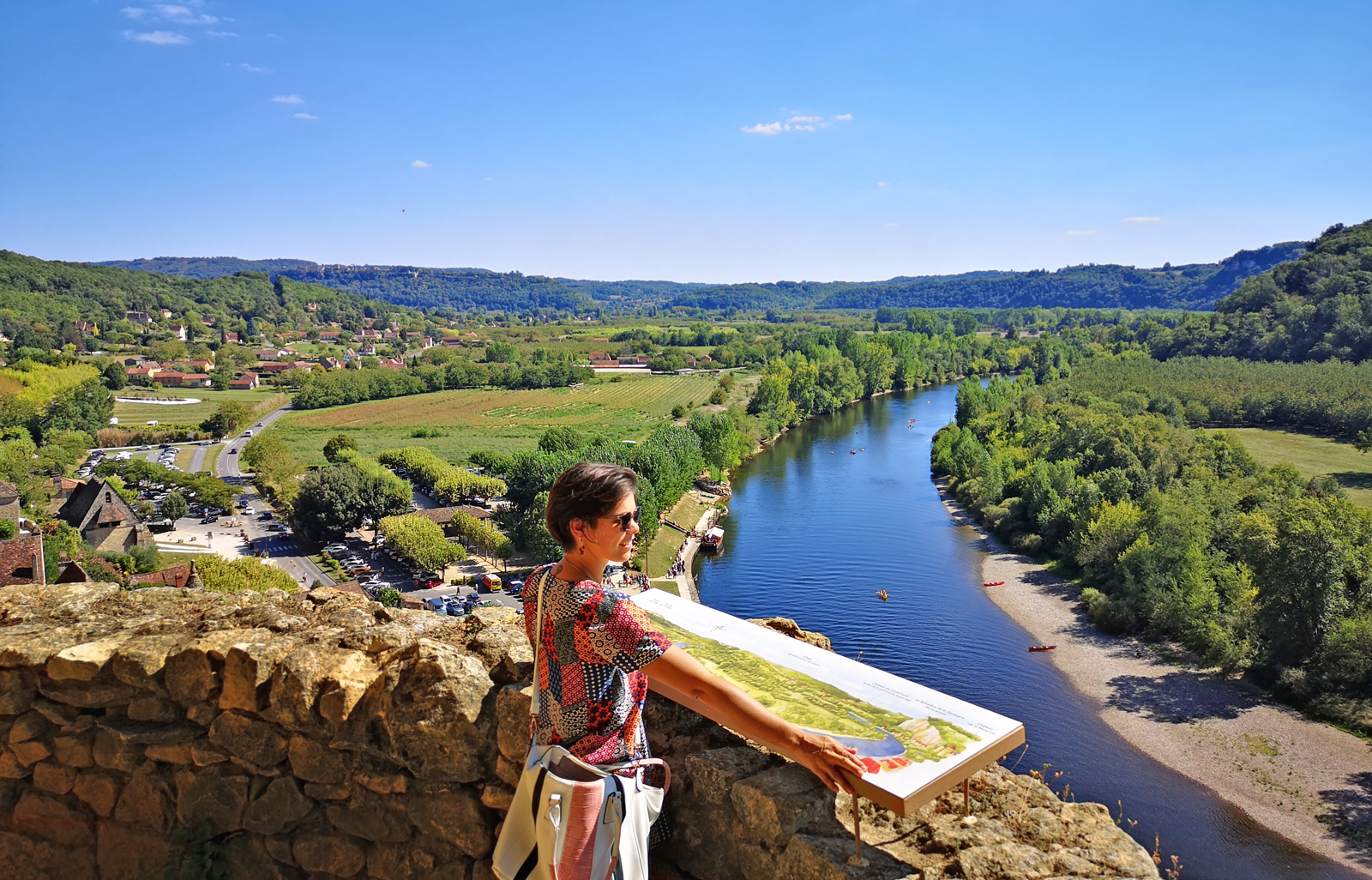
Domme is a plateau village, starting at an altitude of 60m and rising to over 300m above the valley, offering an unparalleled vantage point from its esplanade. It's the perfect spot to sip a drink or enjoy an ice cream after a pleasant stroll up the main street, past specialty shops, artisans, and renowned restaurants.
Domme is a bastide town, yes, you wouldn't think so! The usual layout has been adapted to the slope of the village. Founded at the end of the 13th century, Domme is shrouded in mystery surrounding the imprisonment of Templars, who are said to have carved enigmatic inscriptions into the crumbly limestone of the Porte de la Tour (Tower Gate). We won't tell you any more, because this mystery is best solved through an Escape Game or a guided tour on site.
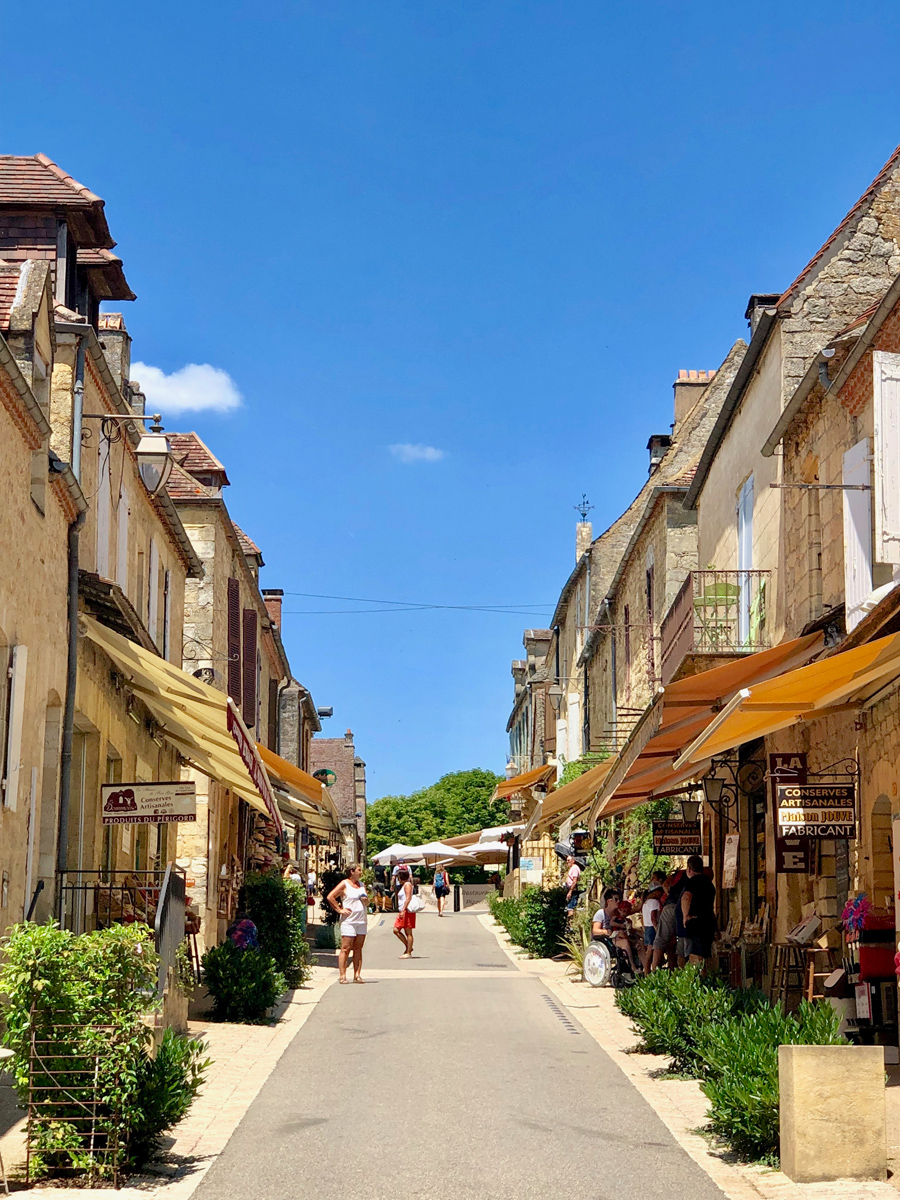
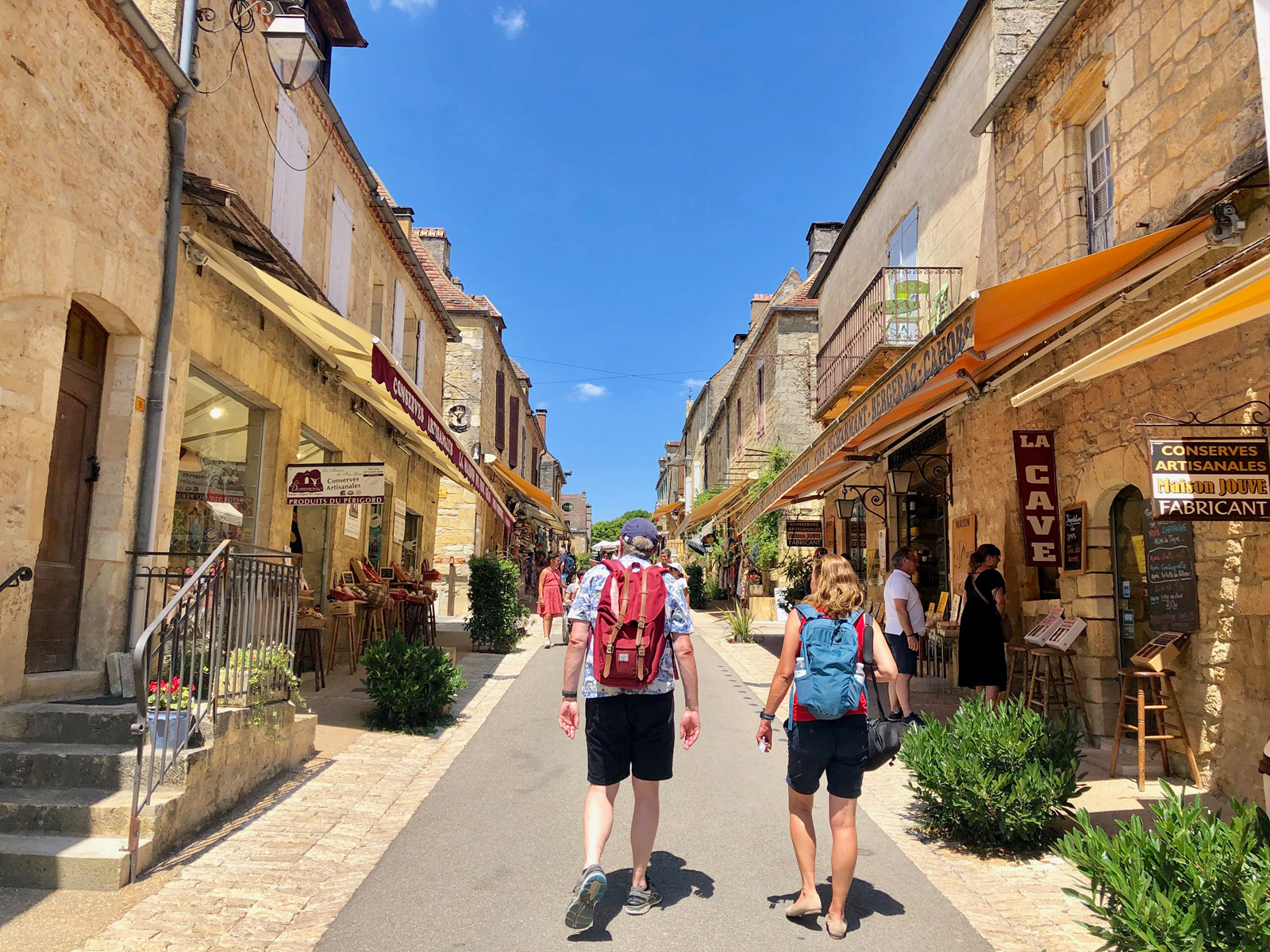
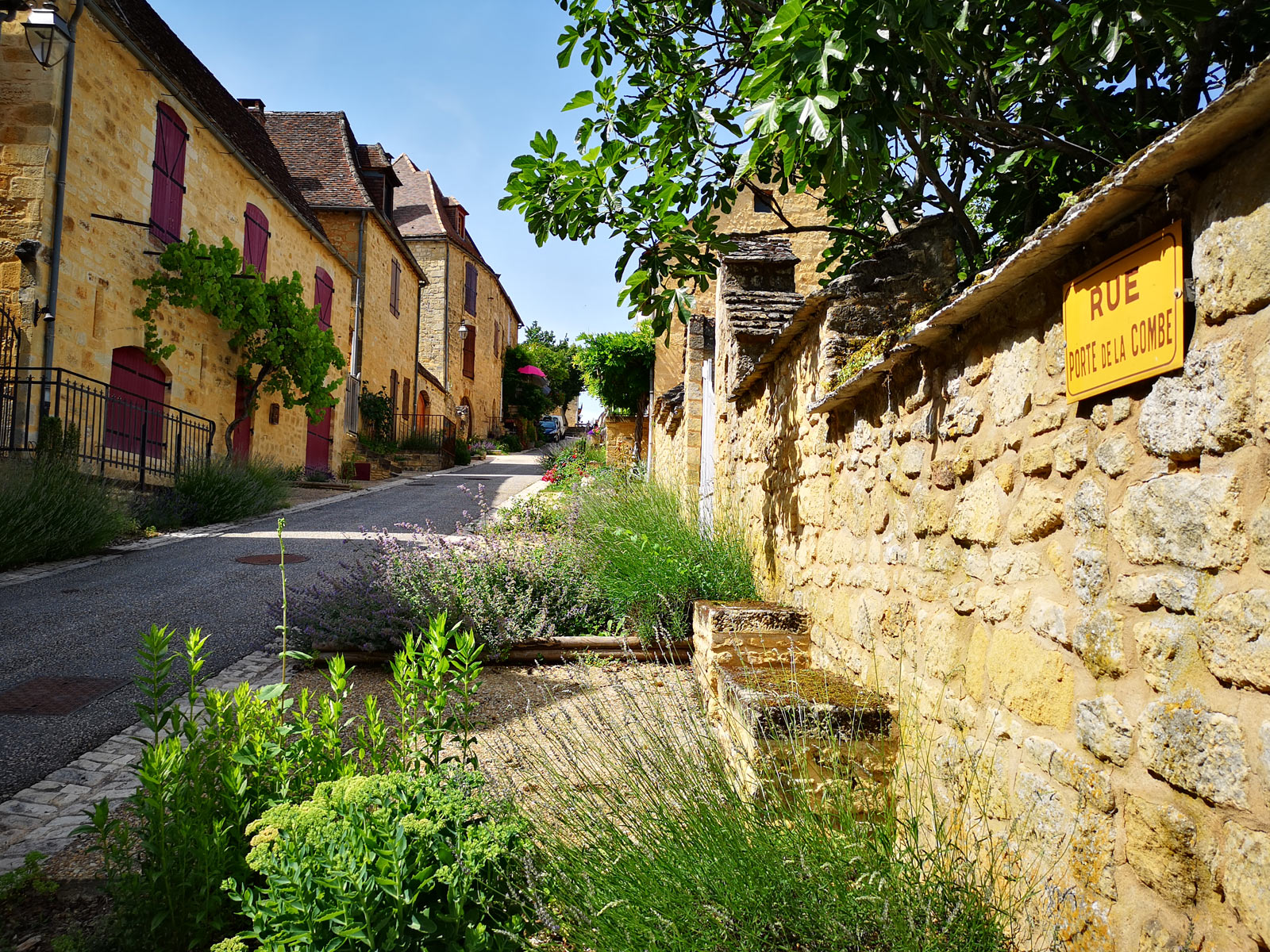
In Domme, there's something to delight everyone: the architectural details, the views, the treats in the gift shops, and even its underground treasures, because beneath the Tourist Office lie the ancient concretions of the Domme Cave. A visit not to be missed!
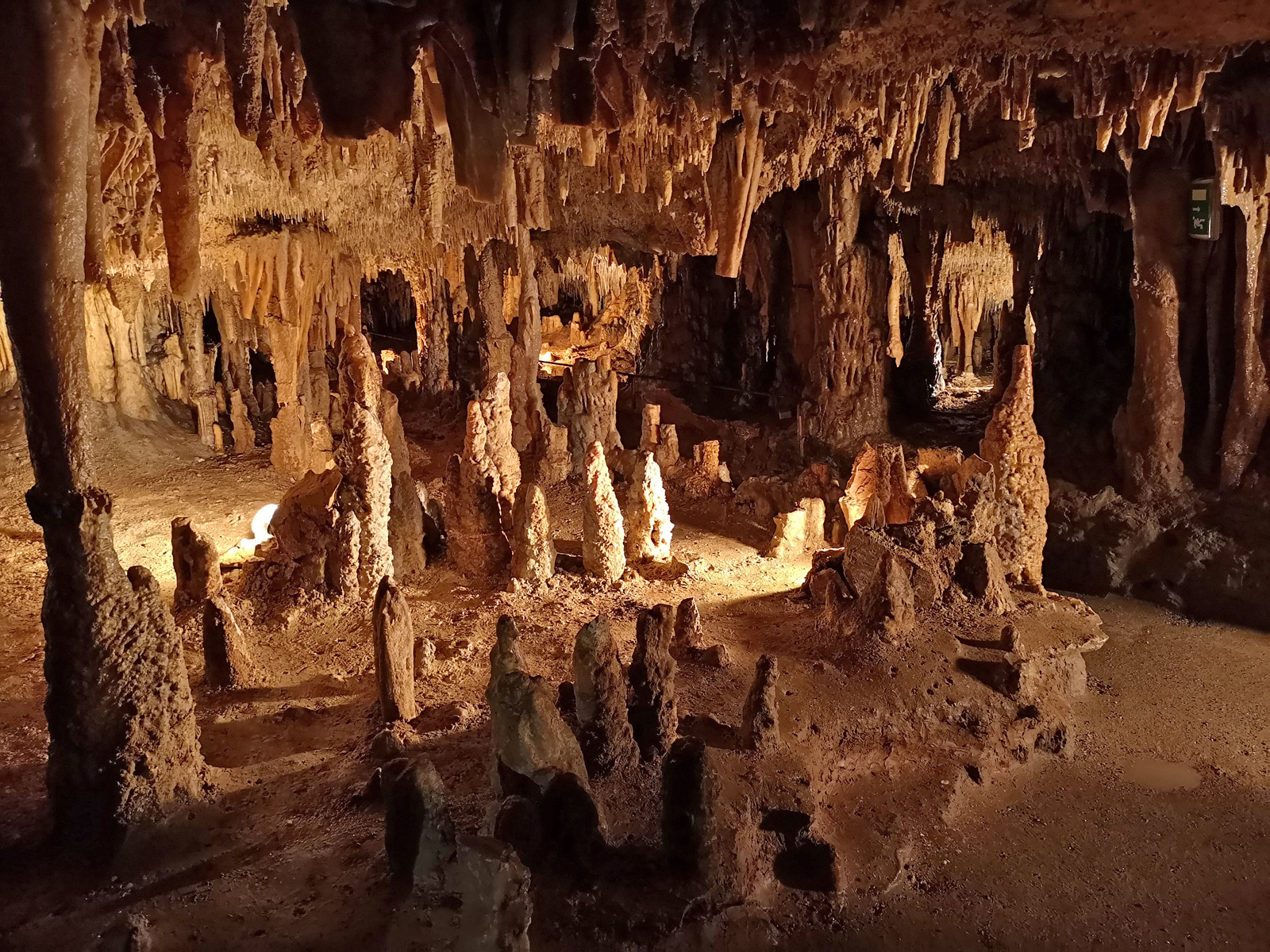
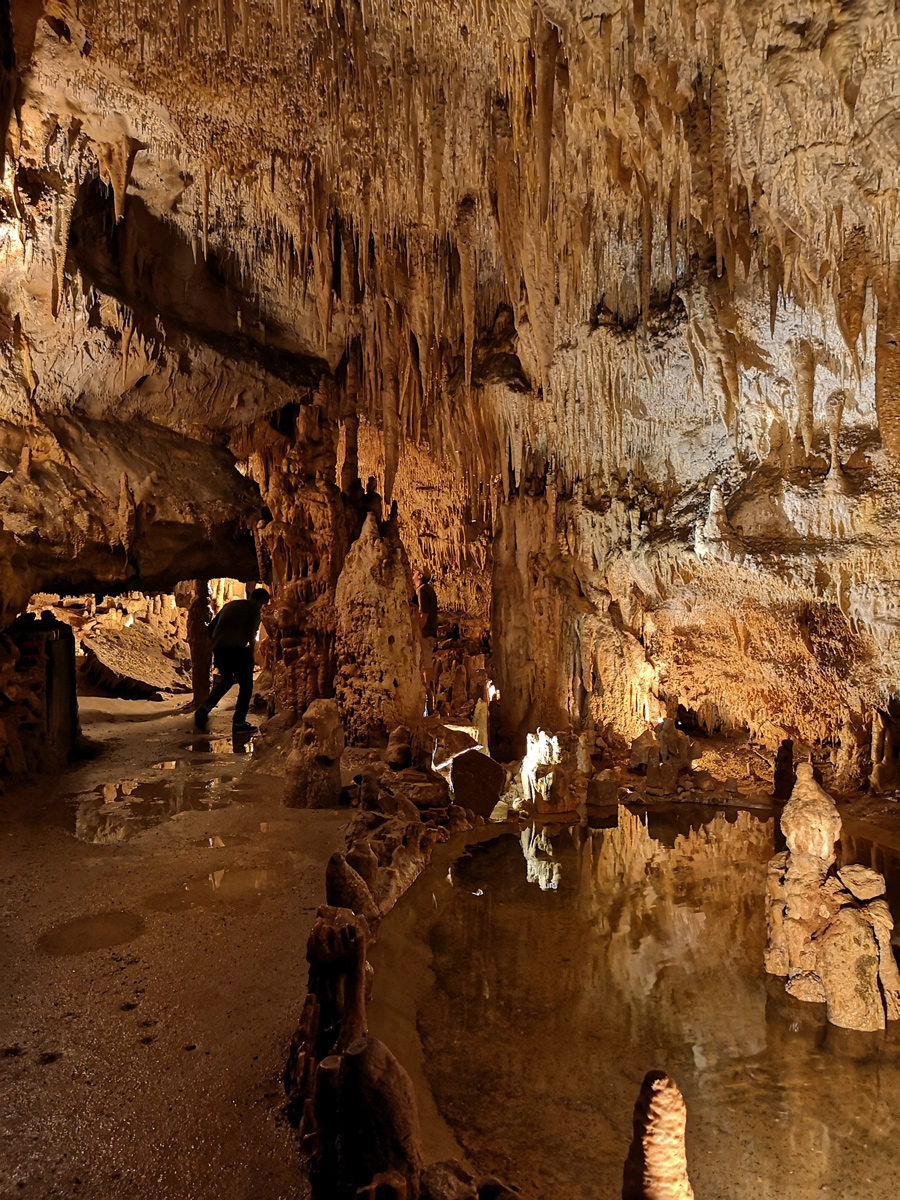
Castelnaud-la-Chapelle, its castle, but not only that!
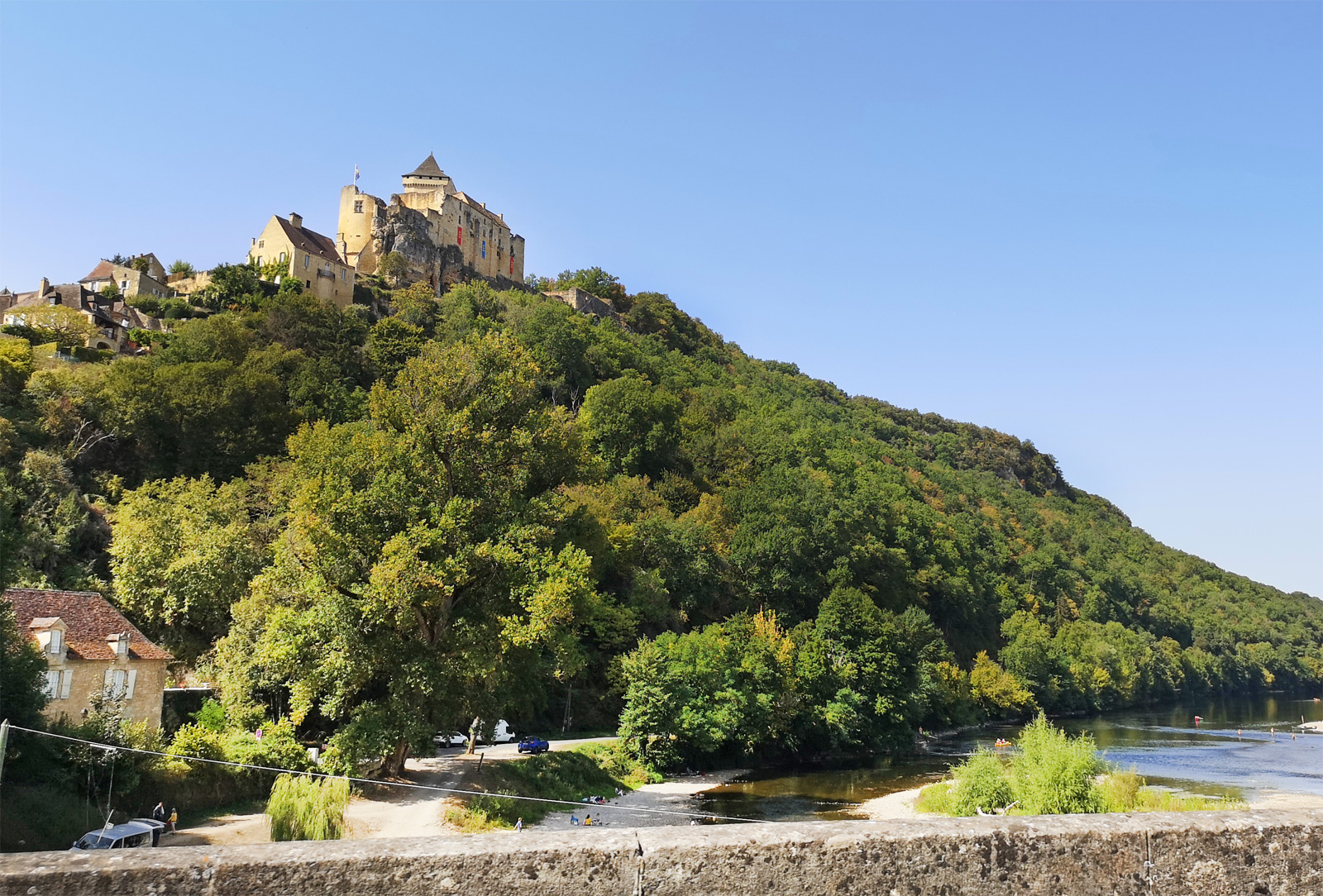
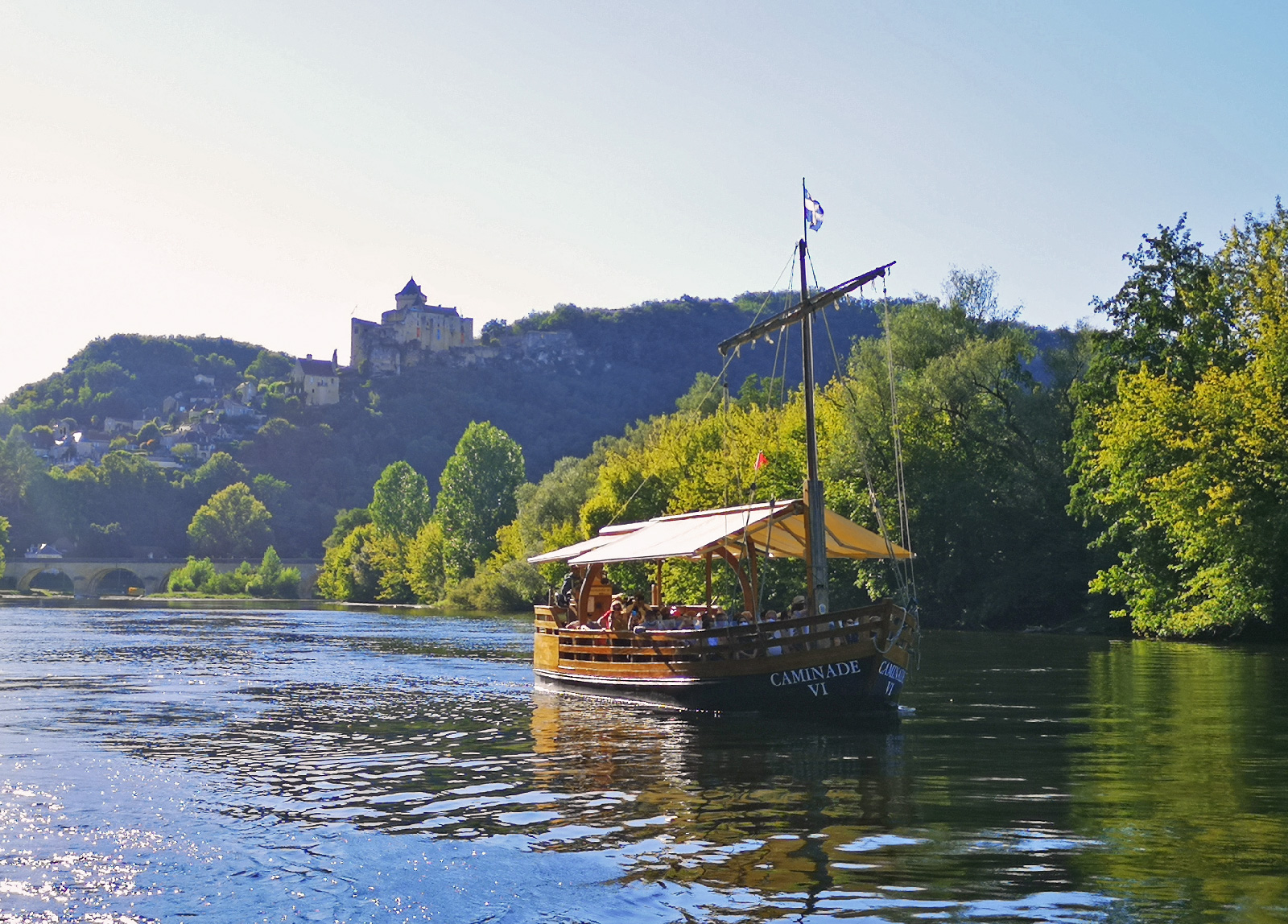
Castelnaud-la-Chapelle first comes to mind with its castle, a bloody battleground during the Hundred Years' War between the French and the English. Like many villages in the Dordogne Valley, it is built on a rocky promontory, overlooking rival castles and guarding the confluence of the Dordogne and Céou rivers below. The castle was built in the 12th century and was repeatedly remodeled and destroyed, eventually becoming a stone quarry. It is now protected and its history is enhanced through tours and the presence of the Museum of Warfare in the Middle Ages. A visit is particularly worthwhile in the summer, when reenactors dress in period costumes and demonstrations of lifting and firing machines take place!
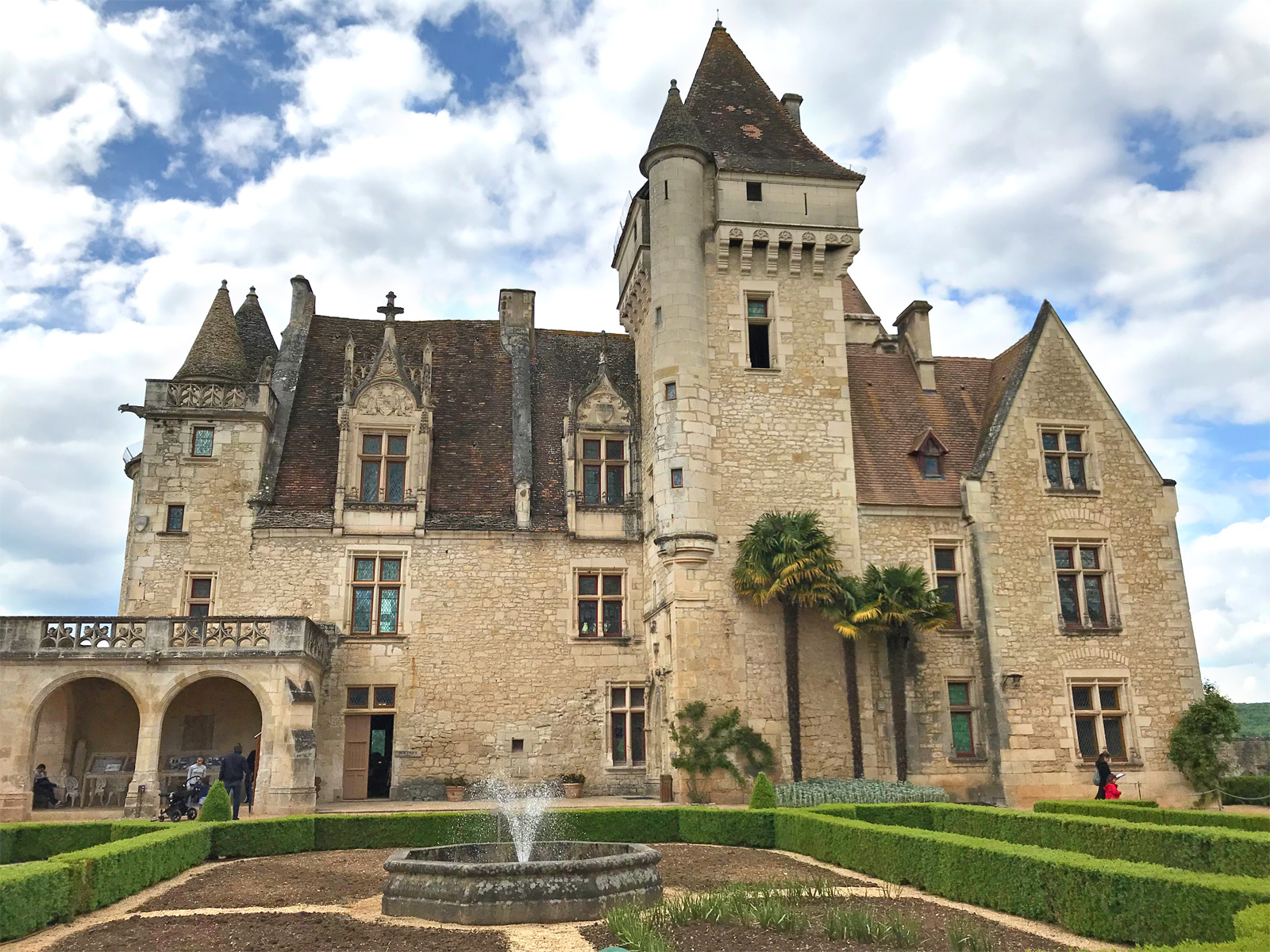
There isn't just one castle in Castlenaud; there are at least six, and one of them is the magnificent and moving Château des Milandes. A true gem for everyone: garden lovers will be enchanted by the stroll through this verdant setting, which alternates between formal French gardens and an English landscape park (a place that seems to reconcile peoples with age-old feuds!). Children love entering the aviaries, playing in the park, exploring the treehouse, and watching the top-notch birds of prey show. Those who enjoy a good story will discover the magical and courageous world of Josephine Baker, showgirl, devoted adoptive mother, and resistance fighter during the war, for the Château des Milandes was her home!
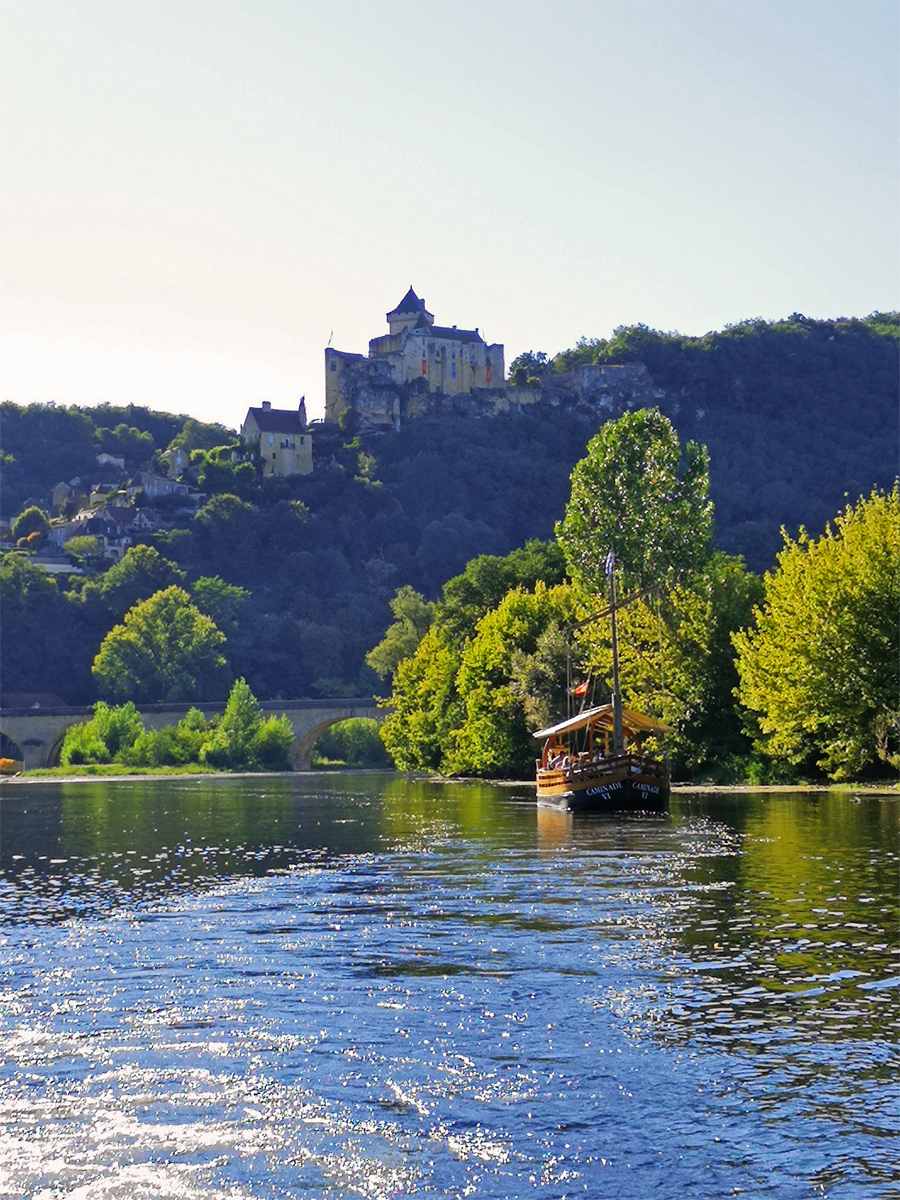
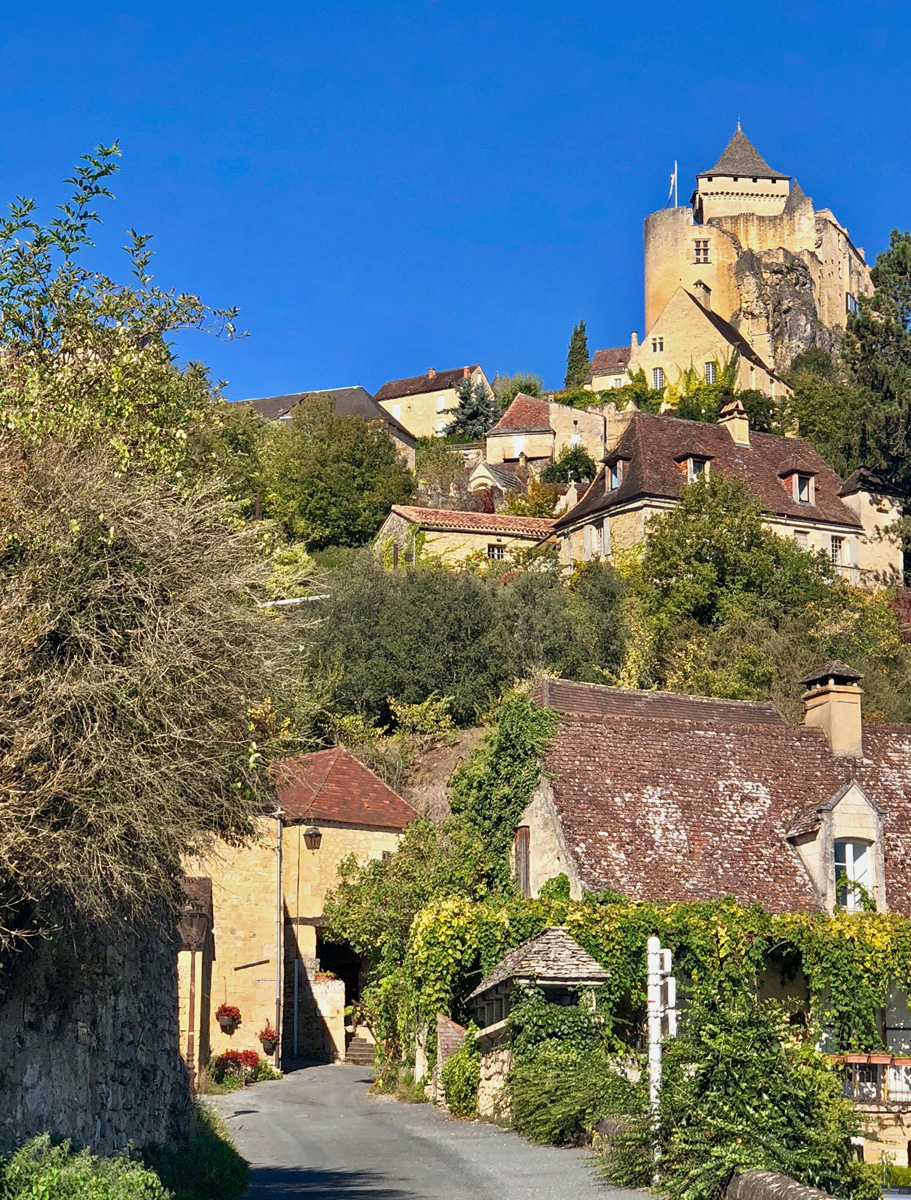
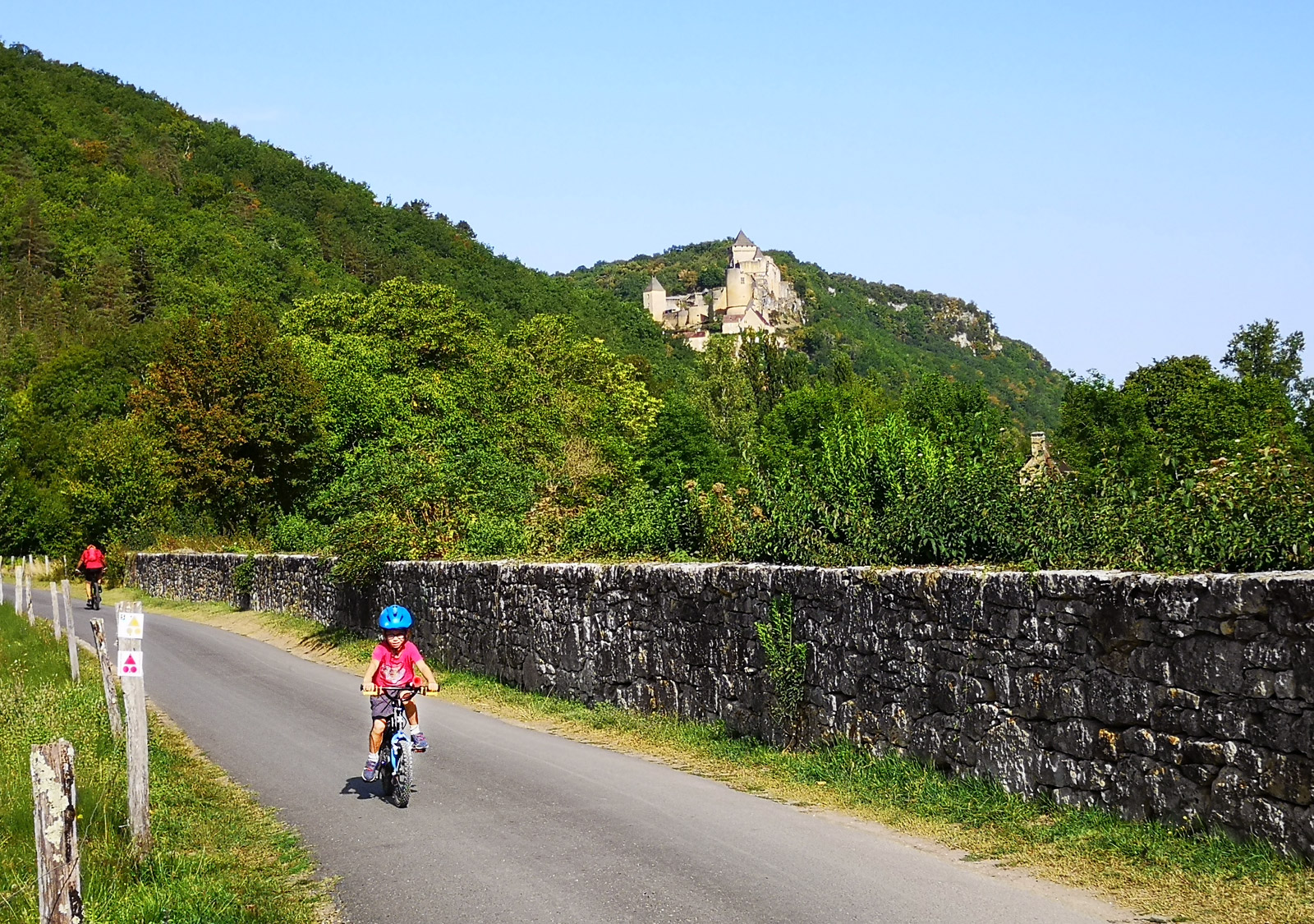
In Castelnaud-la-Chapelle, the fun doesn't end there. Rent a bike and explore the Céou greenway cycle route, perfectly suited to all levels, which stretches all the way to Daglan and beyond. Go canoeing on the Dordogne River to appreciate the surrounding area from a different perspective. When you've had enough exercise, head to the Walnut Ecomuseum and the truffle orchard at the Vielcroze estate to learn more about two Périgord specialties.
Belvès and its 7 bell towers
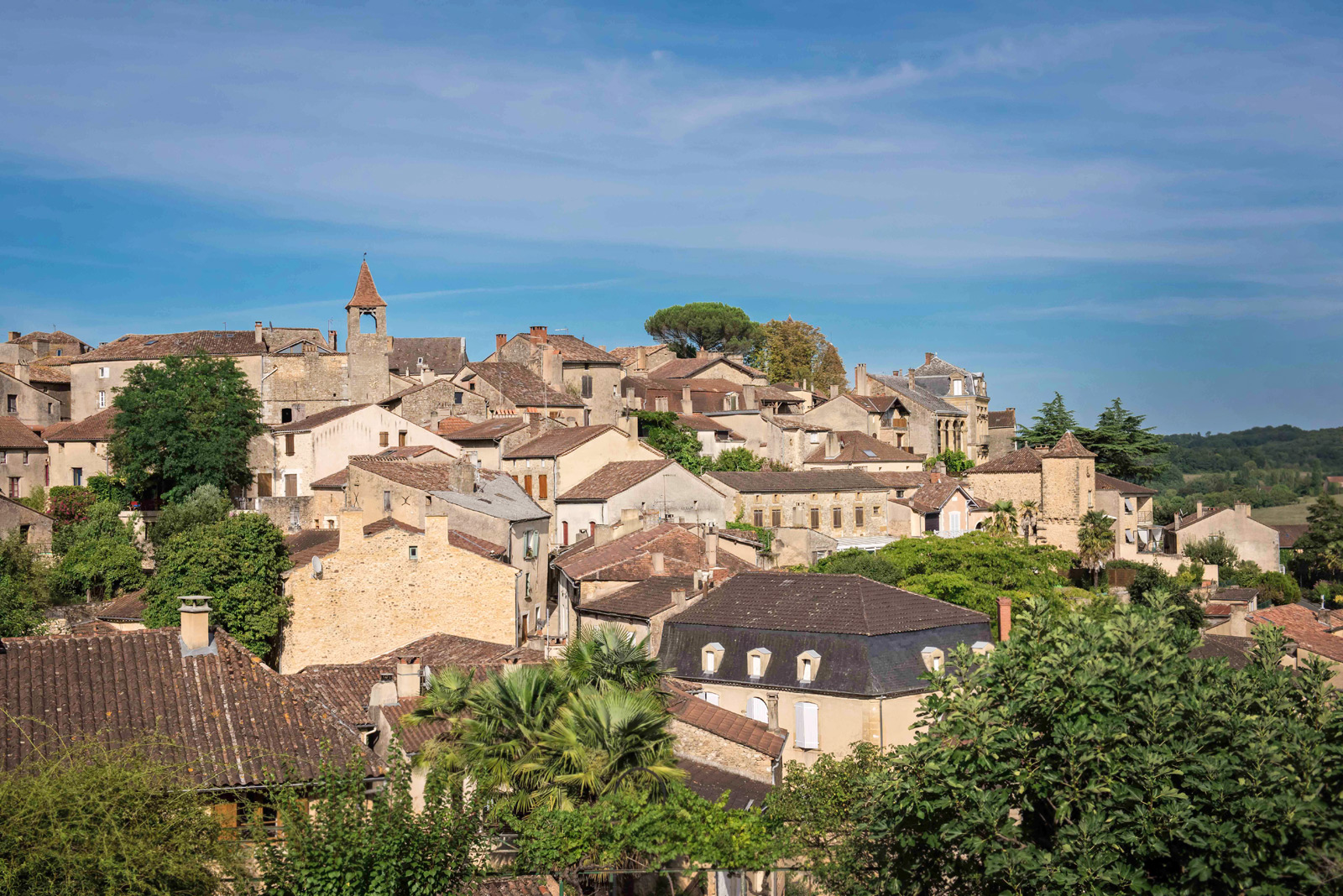
Belvès is a castrum, a fortified village dating back to the 11th century, but its occupation is believed to be much older, and many peoples have passed through: Celts, Romans, Franks… In the Middle Ages, the village was supposedly divided among seven co-lords; could this explain its seven bell towers? As you know, the Wars of Religion did not spare our beautiful Périgord region, but Belvès is one of the medieval towns that was best preserved and recovered most quickly.
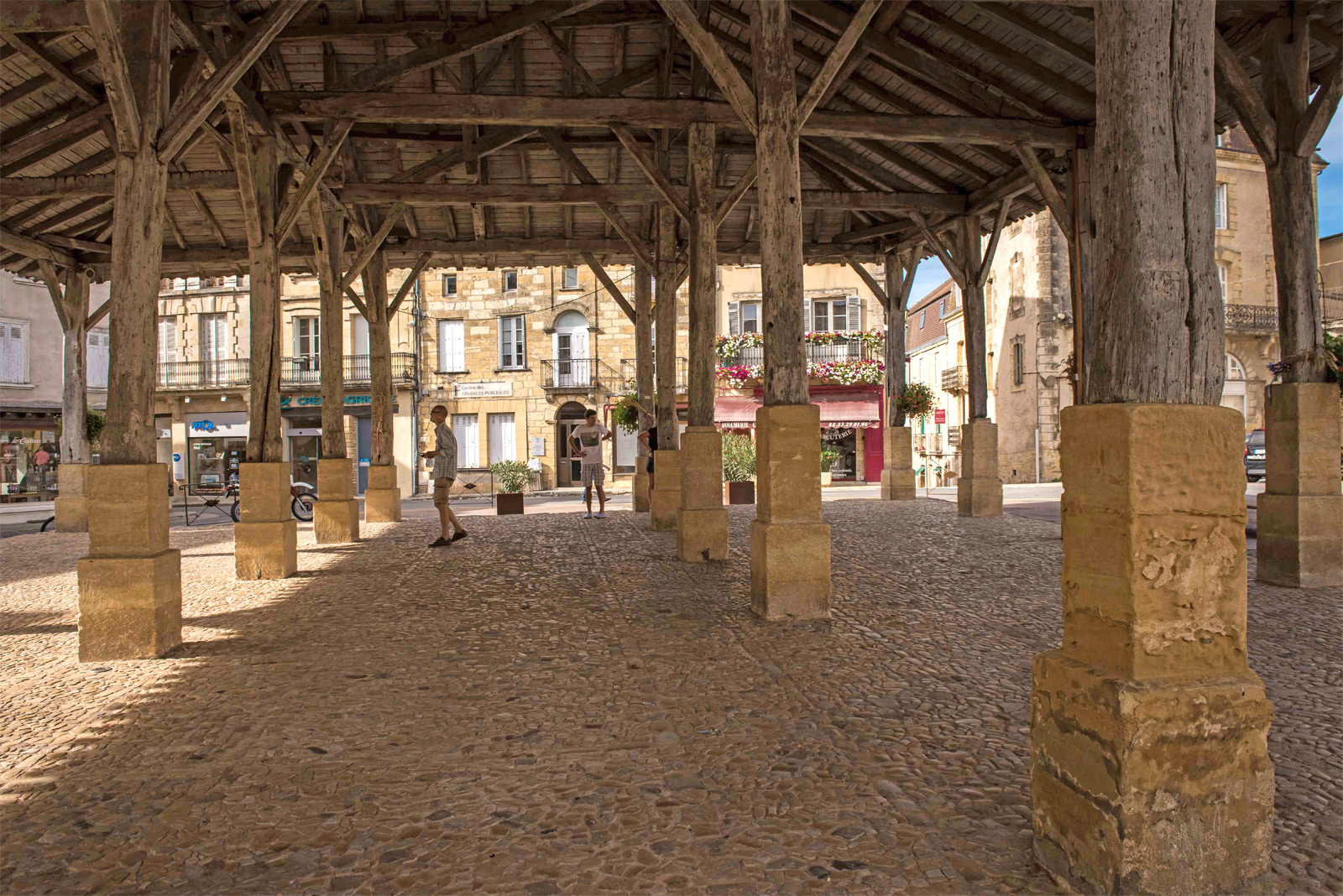
Today, it's a very pleasant village, perched above the Nauze Valley, accessible by car but best explored on foot. There are many heritage sites to discover and visit, such as the 14th - century Belvès Castle, which boasts magnificent historical paintings discovered in 2010. Stroll through the village's narrow streets to see its 15th century market hall, still home to the weekly market, the Maison des Consuls (House of the Consuls), the Tour des Filhols (Filhols Tower)... and a curious sight!
The troglodytic dwellings of Belvès, which can be visited, are located below the market hall and bear witness to the lives of the poor people of Belvès, who occupied these confined and unwelcoming spaces from the 13th to the 18th century.
Monpazier: The perfect bastide!
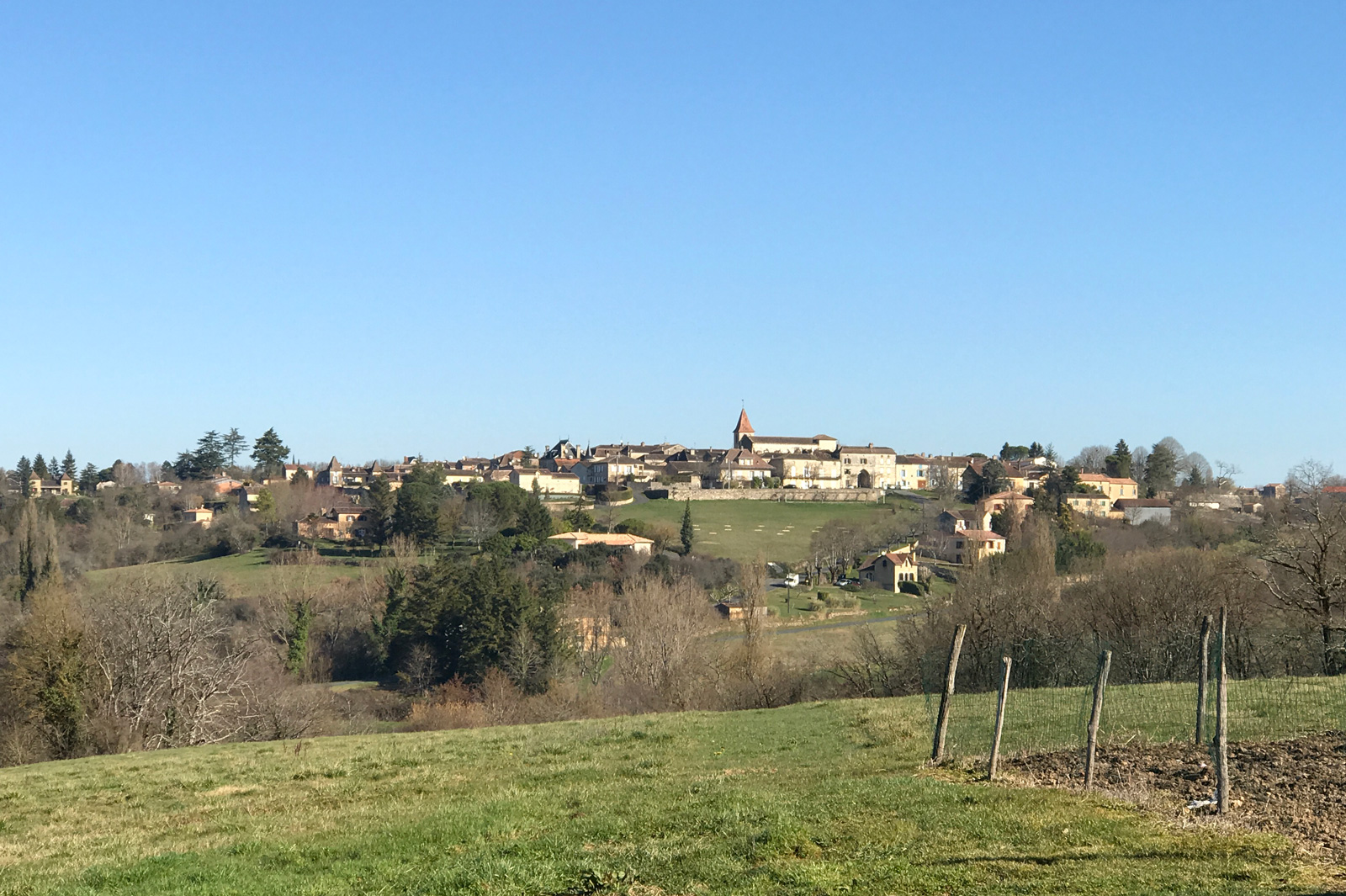
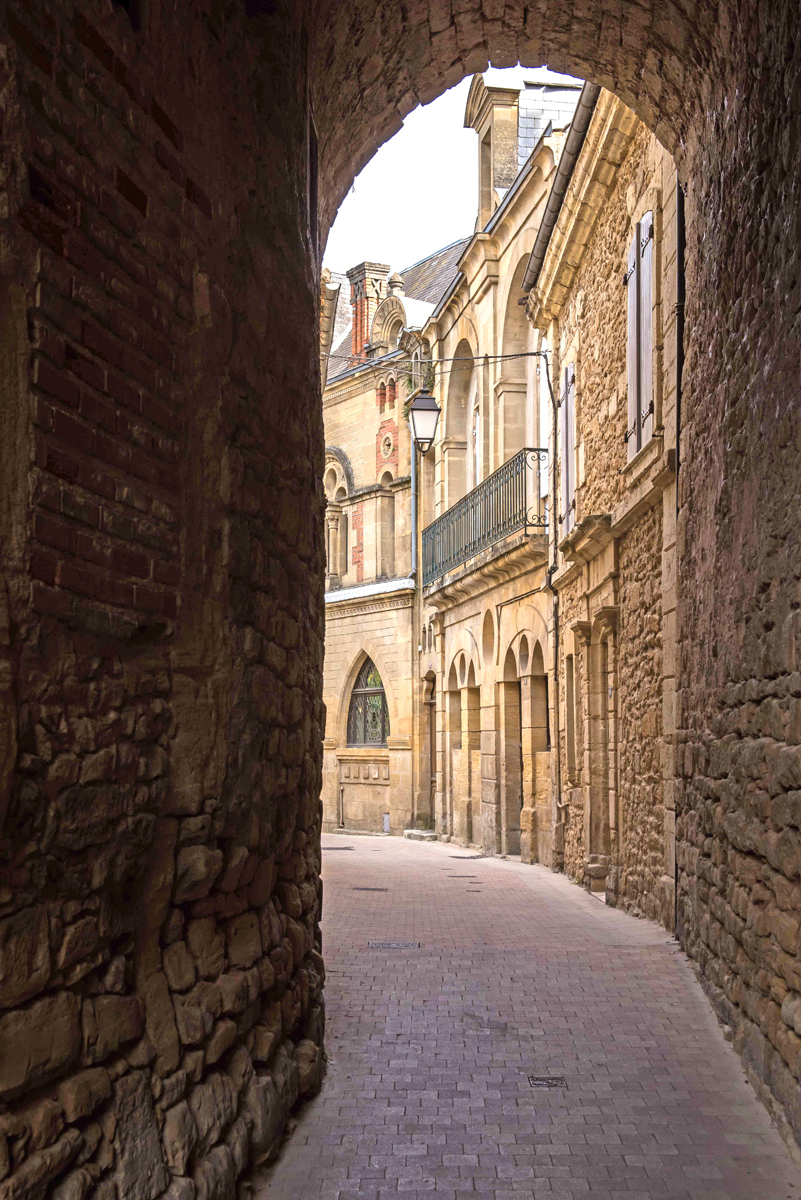
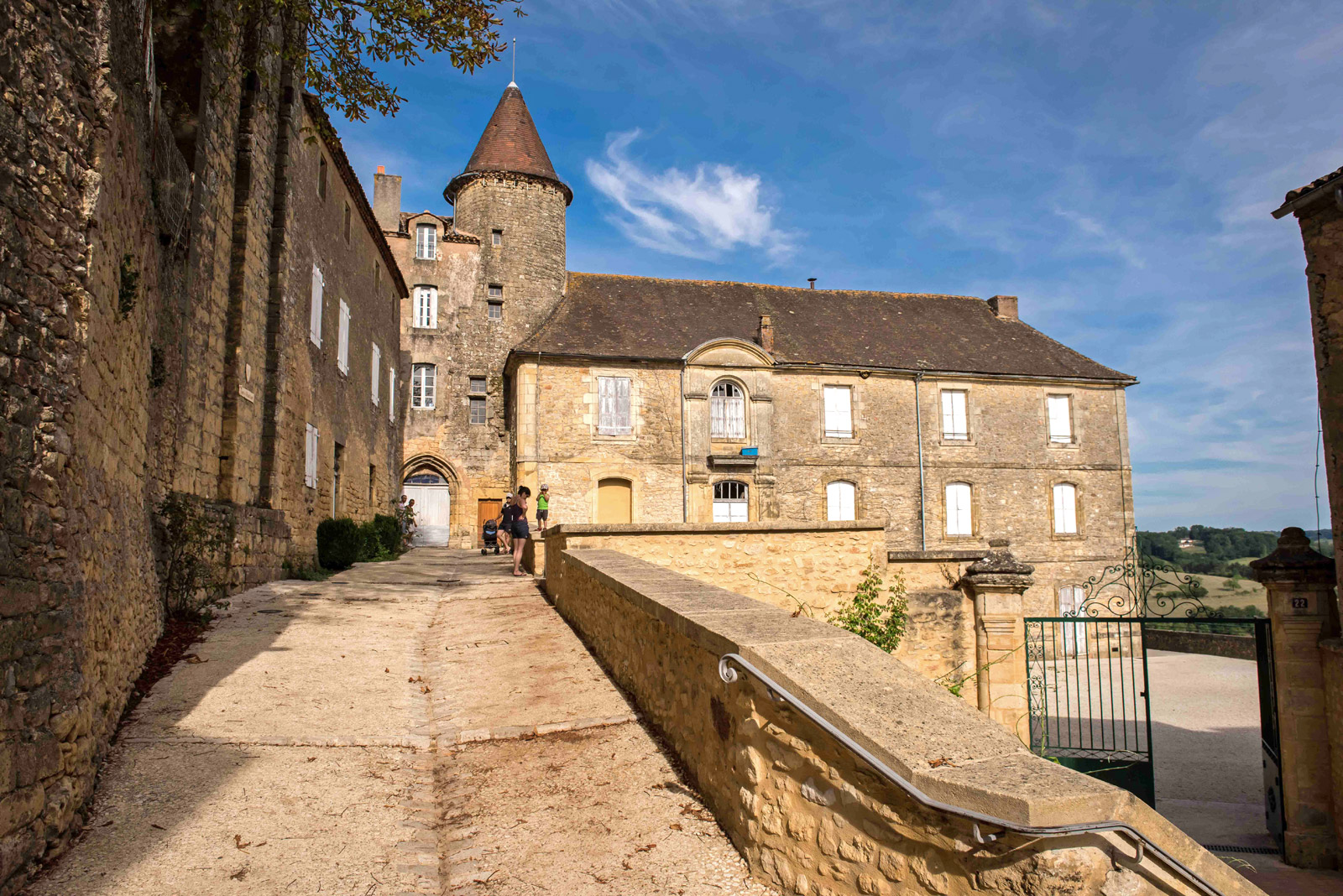
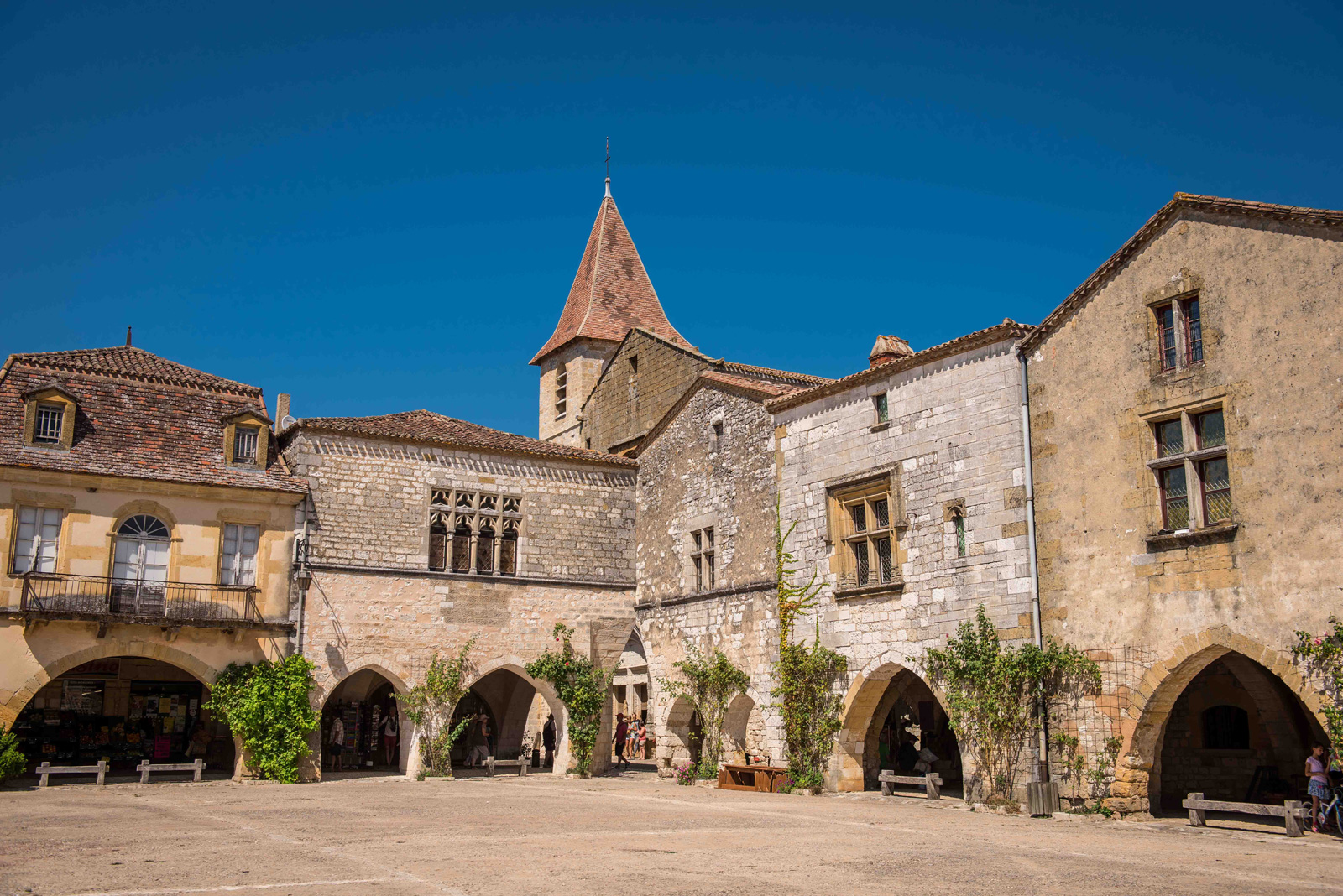
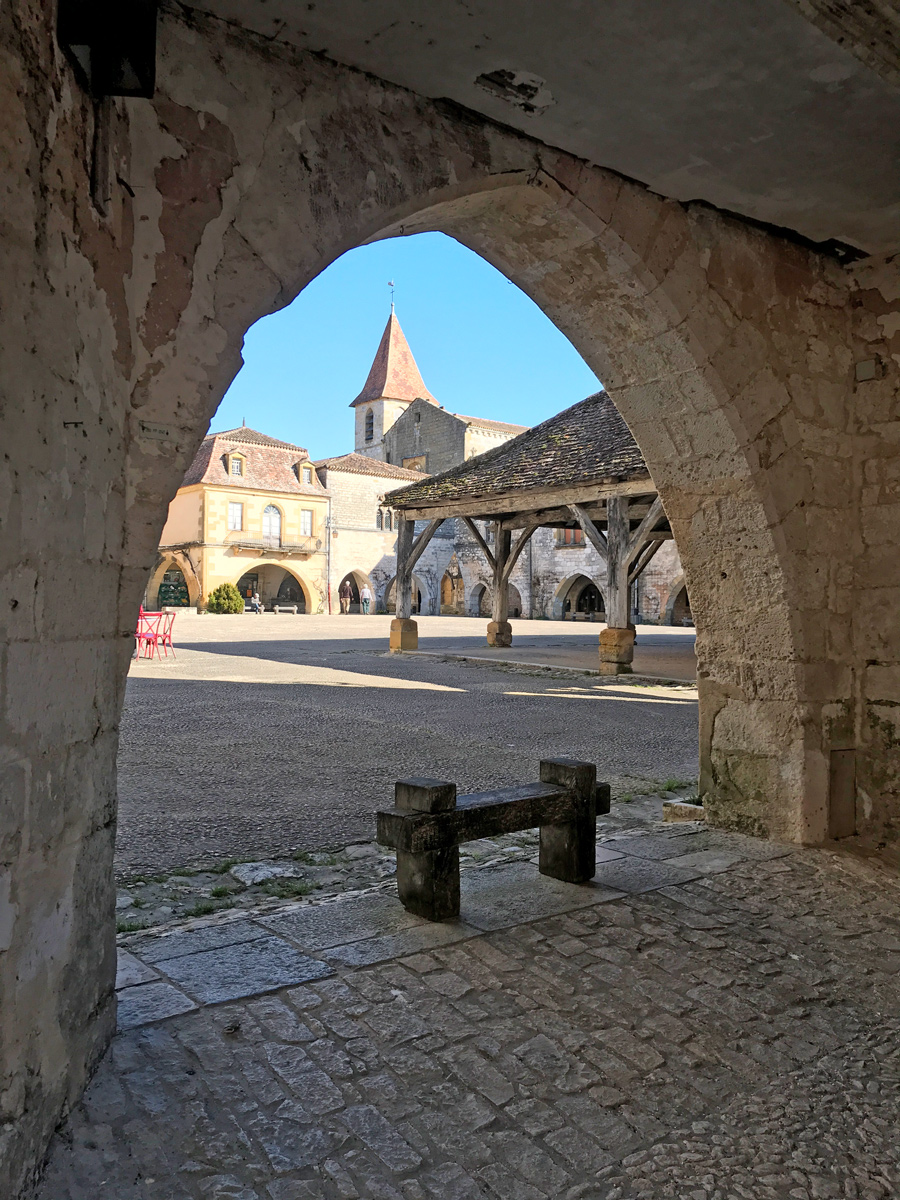
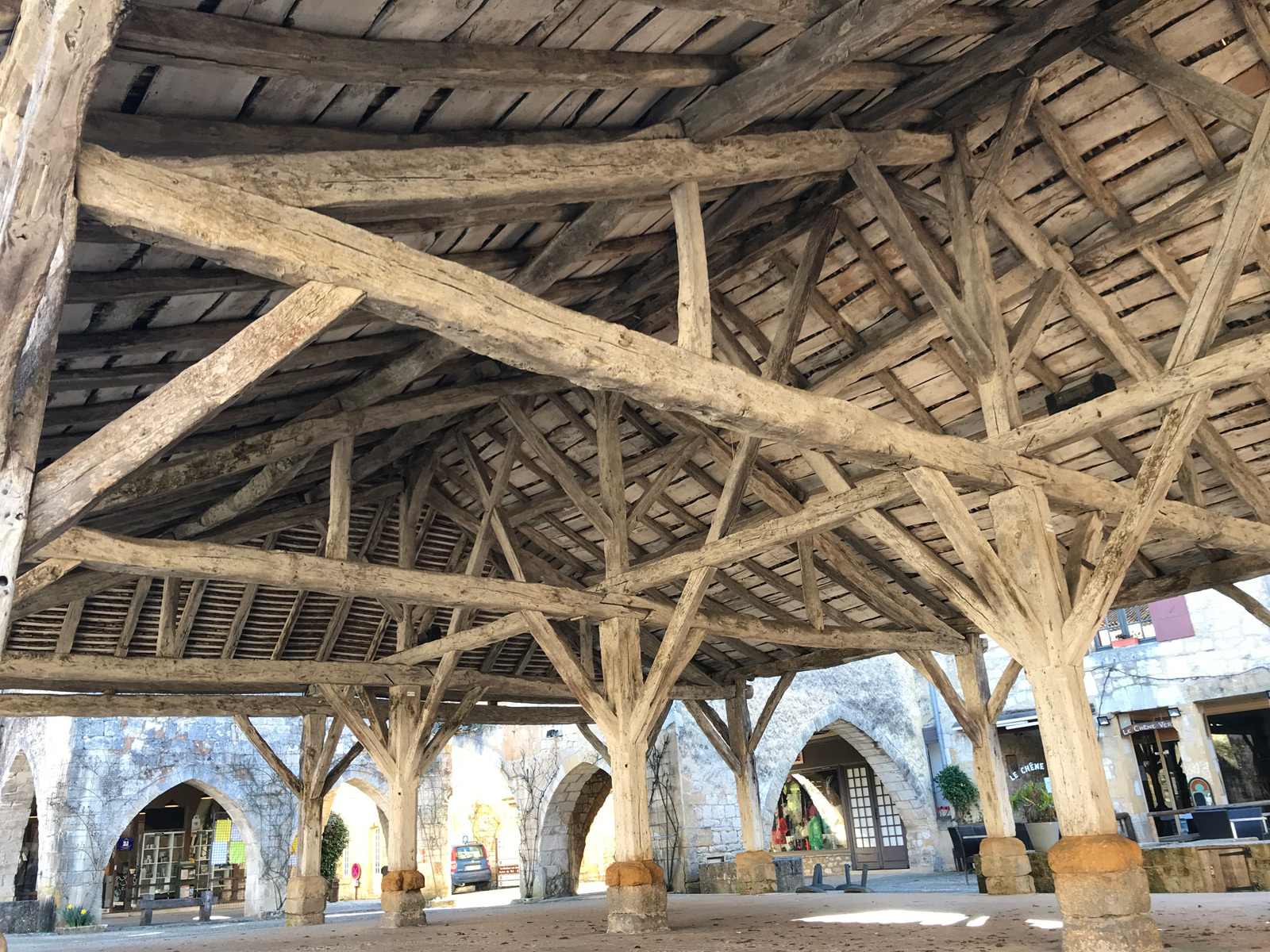
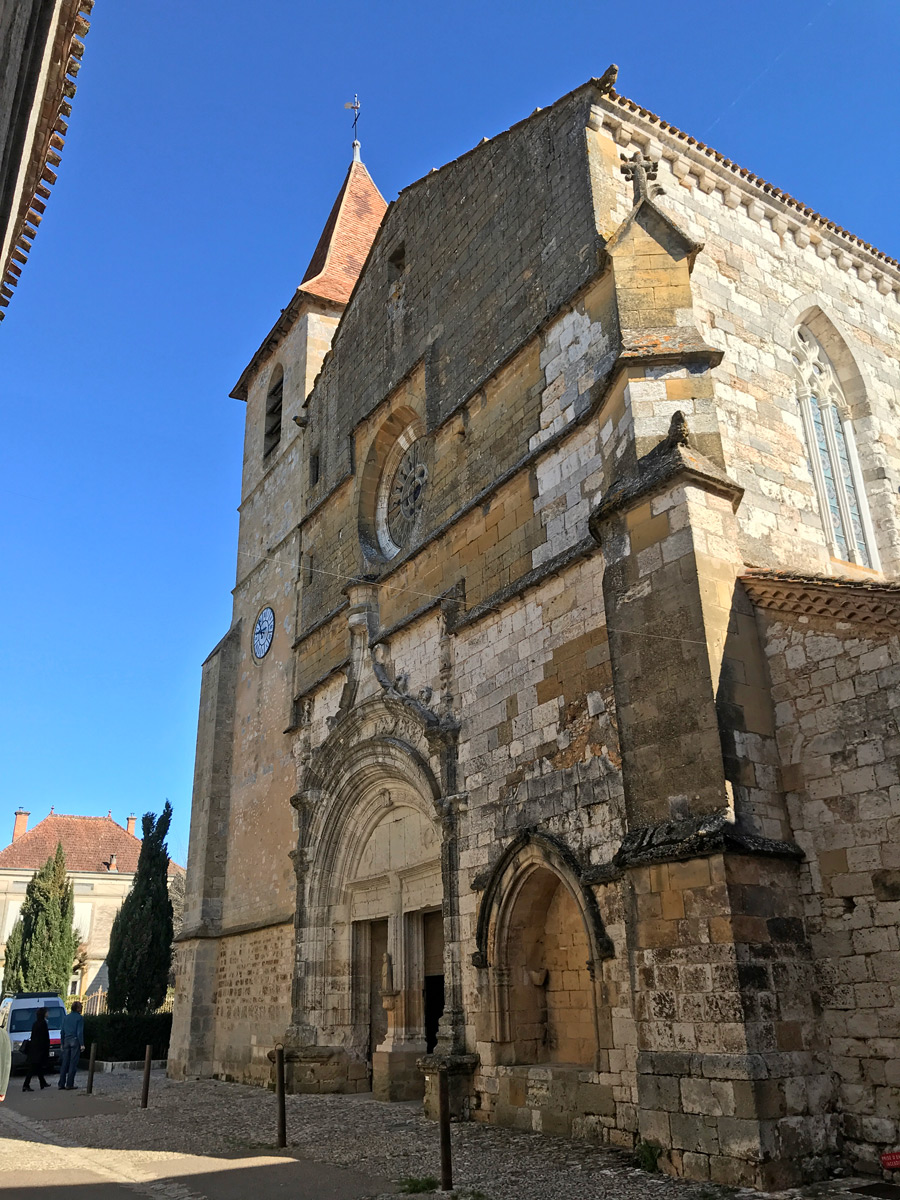
Monpazier is a bastide town in the Périgord Pourpre region, and a remarkable one at that. It's said to be the best preserved in the area, and its beauty inspired the construction of other new towns based on this model. Follow the discovery trail, marked with information panels, to learn more about its history and creation. Near the Church of Saint-Dominique, you'll find a metal marker in the ground, marking the starting point of the bastide. A post was driven into the ground, and string was used to align the streets perfectly parallel and perpendicular! To enter the town, pass through one of the three remaining gates of the original six. In the Place des Cornières, a true arcaded square, there's a market hall supported by chestnut beams, whitewashed by immersion in the river, and a period grain measure.
Visit the Bastideum in Monpazier, a fun and modern interpretation center dedicated to bastides! You will learn more about these new towns and understand why Monpazier is so special.
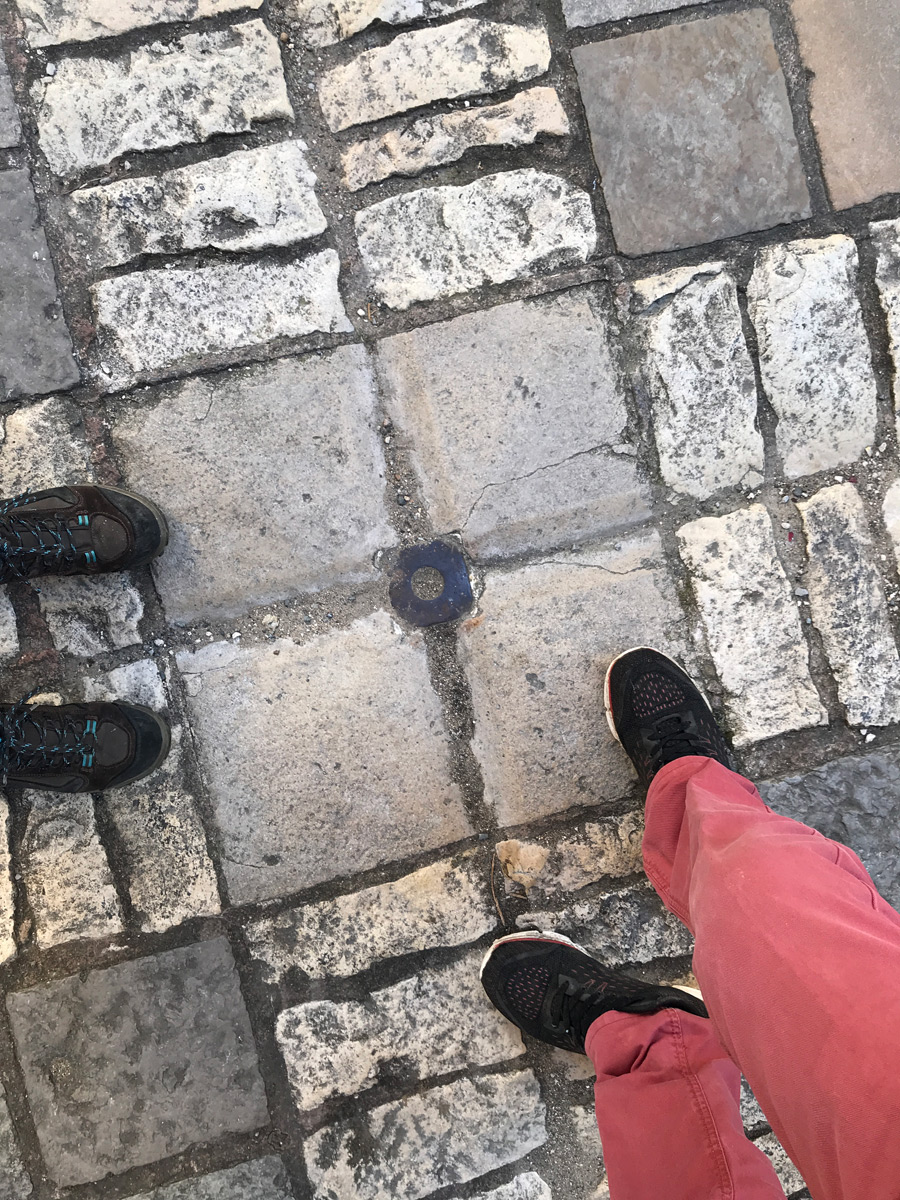
That concludes our tour of the Most Beautiful Villages of France in the Périgord region! We hope these details have inspired you to learn more and visit these magnificent villages. Remember to tag us on Instagram @guideduperigord if you'd like to send us photos or have yours featured!
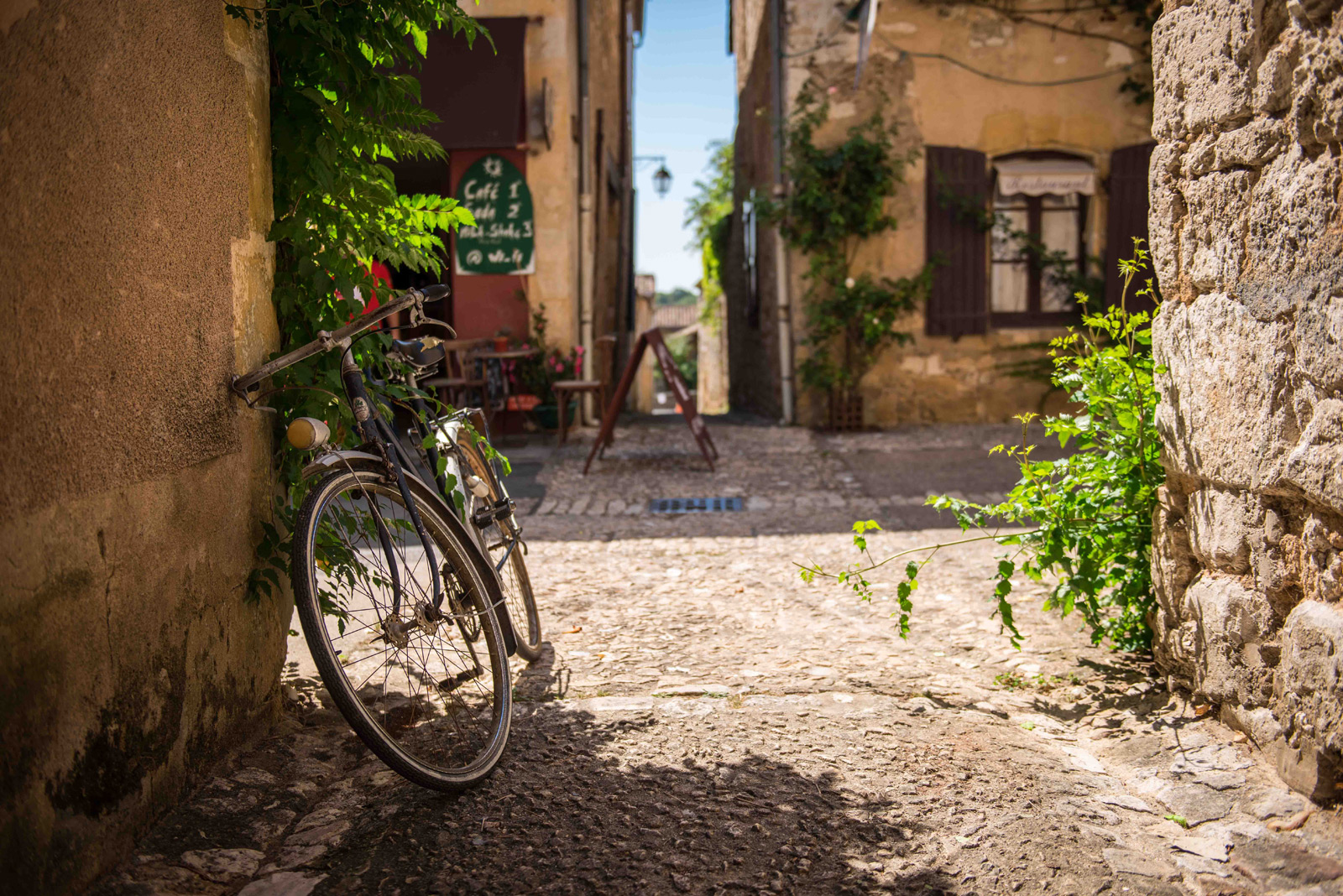
Did you like our article? Find more in the Top Experiences section.
Join us on the Guide du Périgord Facebook page ; we're also on Instagram @guideduperigord
You will also like
Cycling along the Vézère: a beautiful escape through the Périgord Noir

The Top free activities to do in Dordogne Périgord with children!

Dungeon, Manor and Salle Garden to visit in Saint-Léon-sur-Vézère

Canoeing in Saint-Léon-sur-Vézère

What to do in autumn in Périgord? The Top of the best fall activities!

Le Préhistobranche: tree climbing park in Saint-Léon-sur-Vézère

Saint-Léon-sur-Vézère, nestled in a loop of the river

The Parc aux Dinosaures of Saint-Léon-sur-Vézère

You will like also


Ride around
Point de vue sur la Vallée de la Vézère à la côte de Jor
Point de vue sur la Vallée de la Vézère à la côte de Jor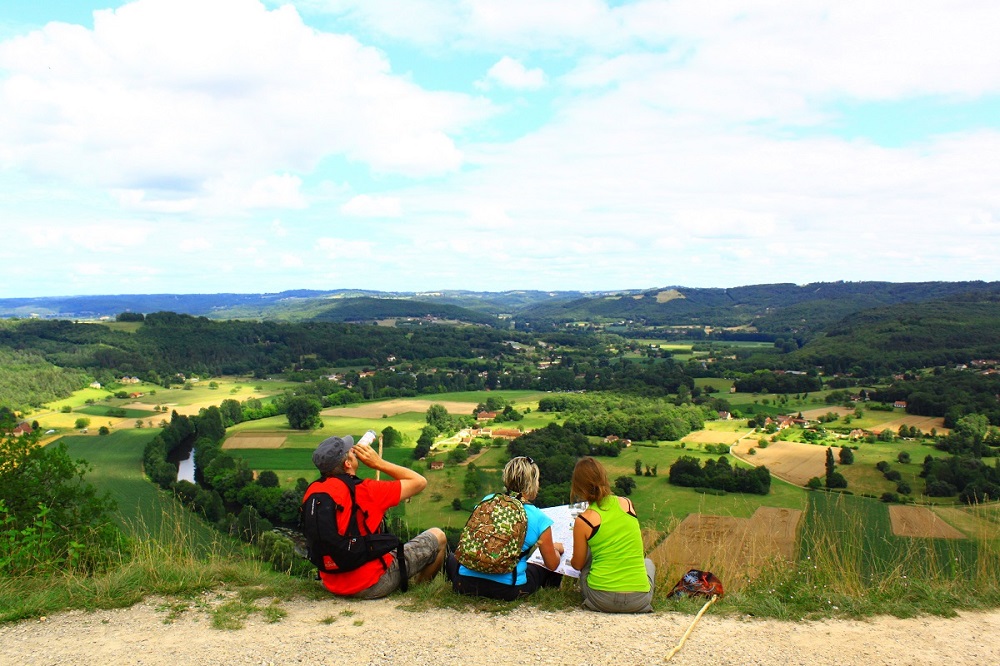
70 m - Saint Léon sur Vézère
Saint-Léon-sur-Vézère en écomobilité - Un plus beau Village de France dans les bras de la Vézère
Saint-Léon-sur-Vézère en écomobilité - Un plus beau Village de France dans les bras de la Vézère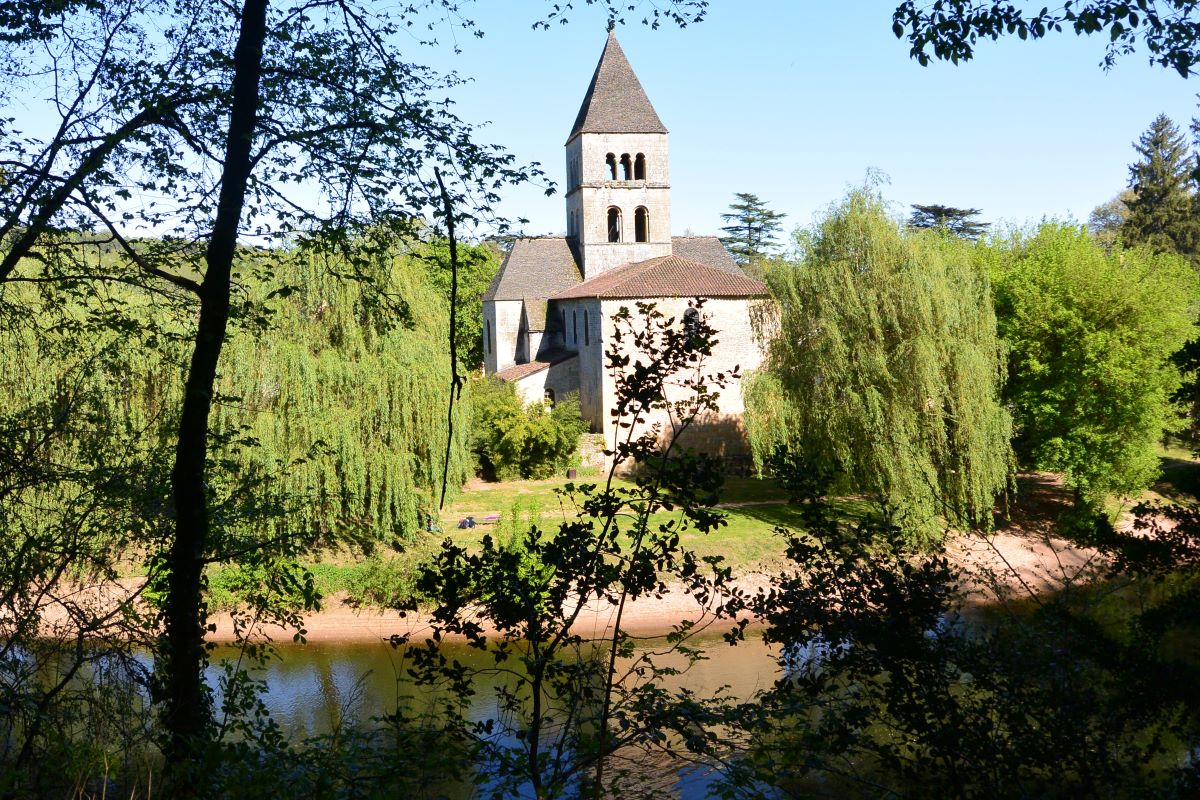
74 m - Saint Léon sur Vézère
Boucle de Hauteclair n°5 / Saint Léon
Boucle de Hauteclair n°5 / Saint Léon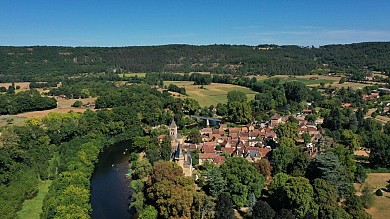
145 m - Saint Léon sur Vézère
Boucle VTT S-Léon sur Vézère (N°13)
Boucle VTT S-Léon sur Vézère (N°13)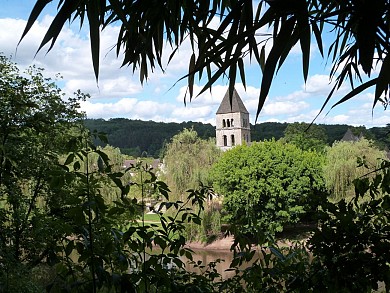
191 m - Saint Léon sur Vézère