Closed Opens at 10:00 am

Le Petit Marzac 24260 Tursac

Visit website Rates and booking
See on map Directions

Directions The Village of the Madeleine - An exceptional site in the Dordogne

About

  • English
    • DISCOVER THE TROGLODYTIC VILLAGE OF LA MADELEINE IN THE VÉZÈRE VALLEY

      A prehistoric and medieval getaway near Les Eyzies, in the heart of one of the main tourist sites of the Périgord Noir.

      The troglodytic village of La Madeleine, nestled in Tursac, on the road between Montignac-Lascaux and Les Eyzies, offers a fascinating dive into Magdalenian history, dating back no less than 17,000 years.

      Explore this unique site, a testament to human occupation over the centuries, in an exceptional natural setting, at the heart of the main tourist sites of the Périgord Noir.


      A prehistoric immersion in the Vézère valley

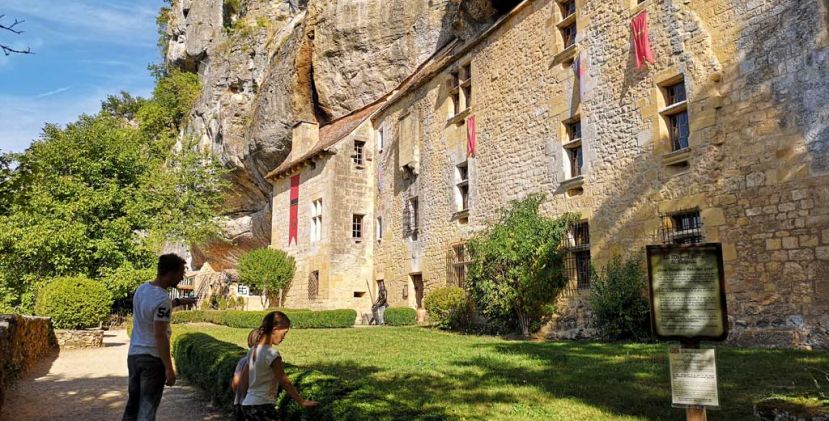
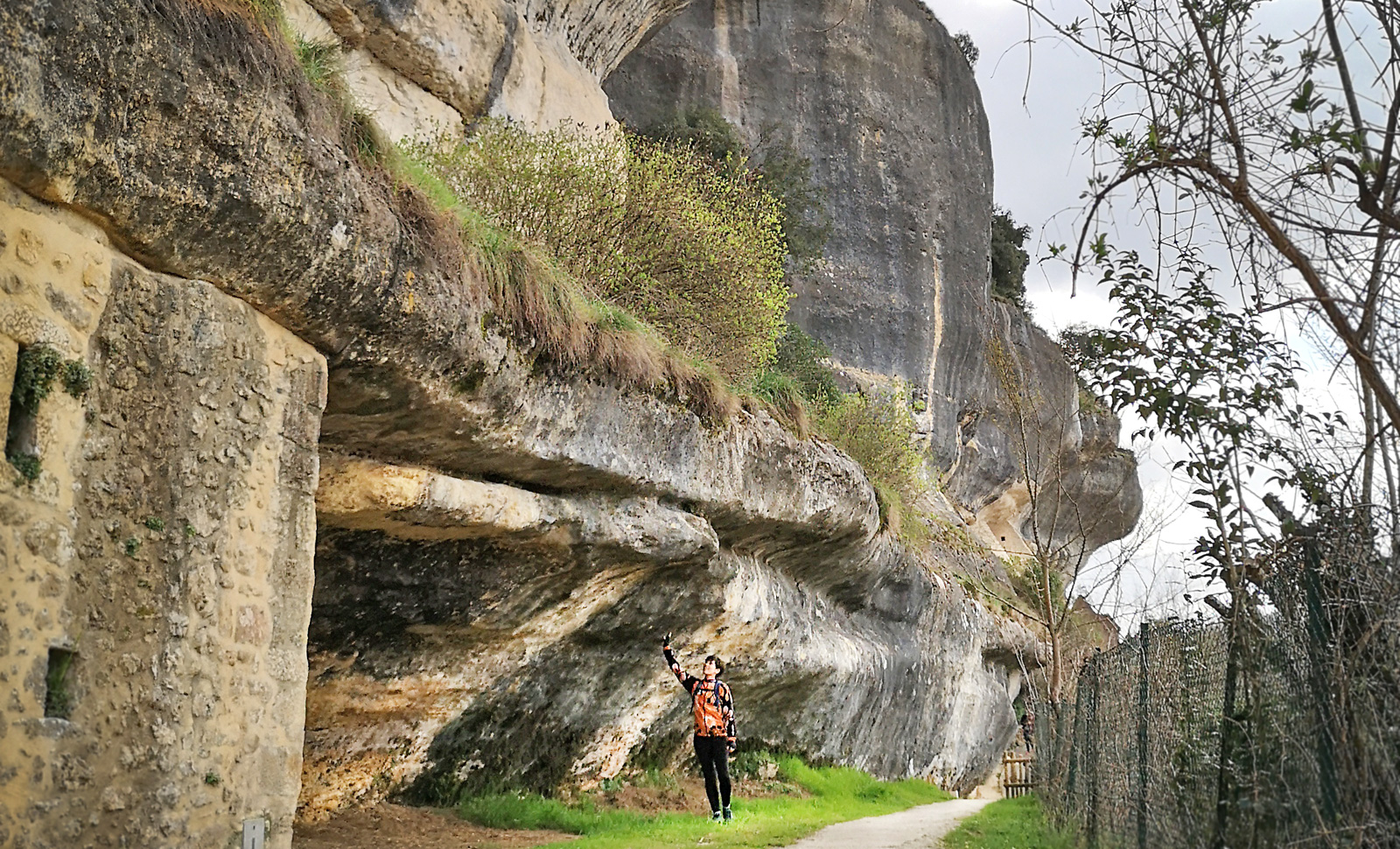
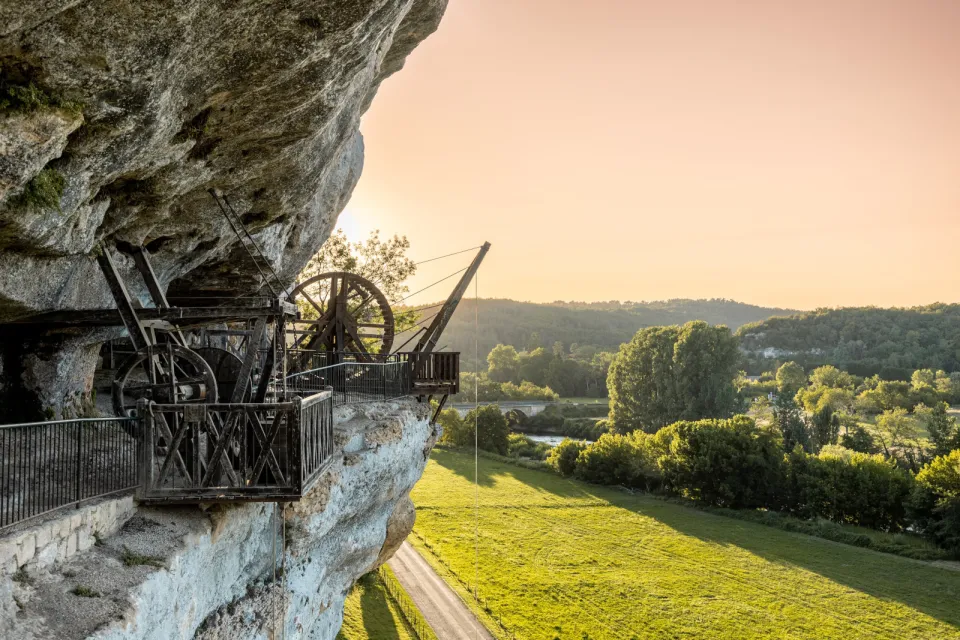
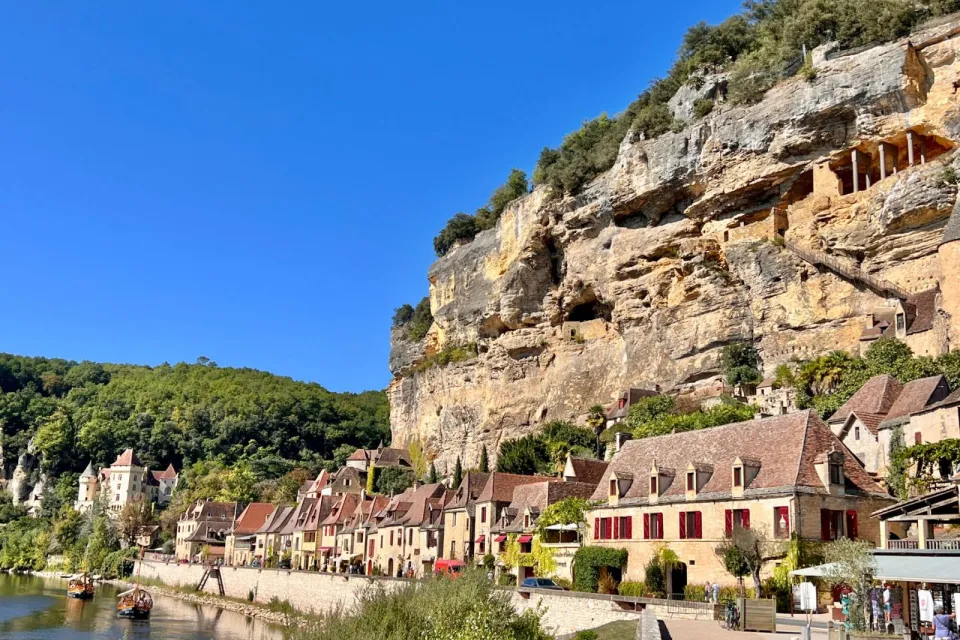
      La Madeleine reveals itself to be a troglodytic village with its sumptuous rock shelters in the heart of nature.

      On the Route of Prehistory, in the Vézère valley, this very important site immerses visitors in the heart of the lives of our ancestors.

      An invitation to explore a welcoming village, completely new to the region, offering a unique perspective on different eras of human occupation.


      An enriching visit to La Madeleine

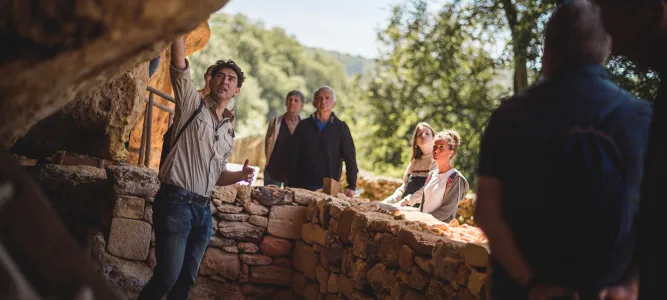
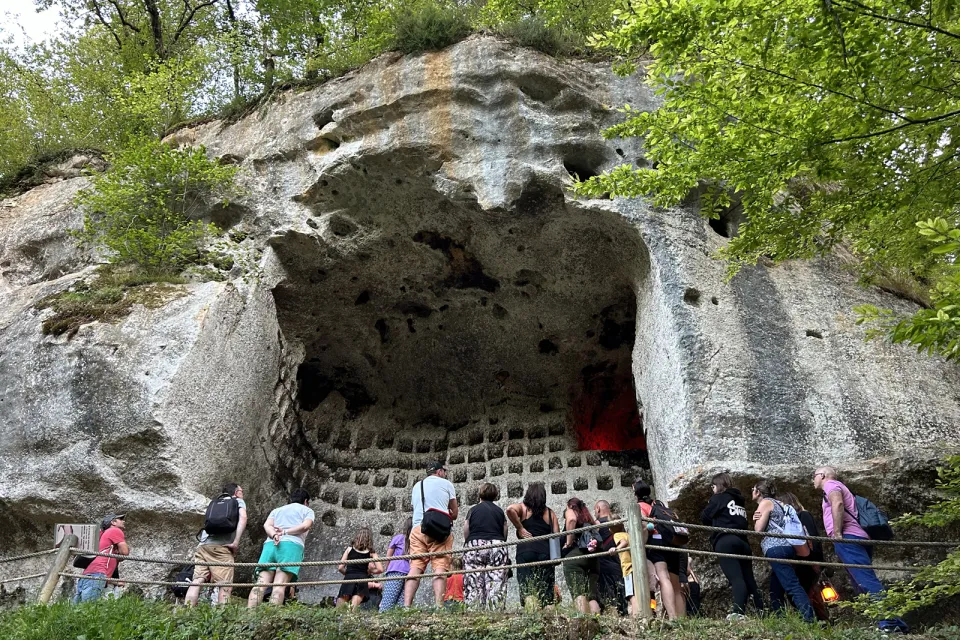
      The guided tour, led by enthusiasts, is recommended to fully appreciate this site, although independent exploration (with audio guide) is also possible.

      Enhanced with clear and educational interpretive panels, the visit allows you to understand the uses, customs, trade, activities, housing and food preservation in different eras.

      The village of La Madeleine offers an experience that transforms with the seasons, providing a pleasant family walk to enjoy for at least half a day, or even longer if you plan a picnic.


      A linear walk through the heart of prehistory

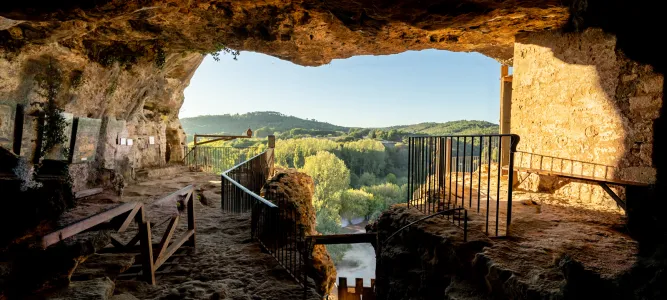
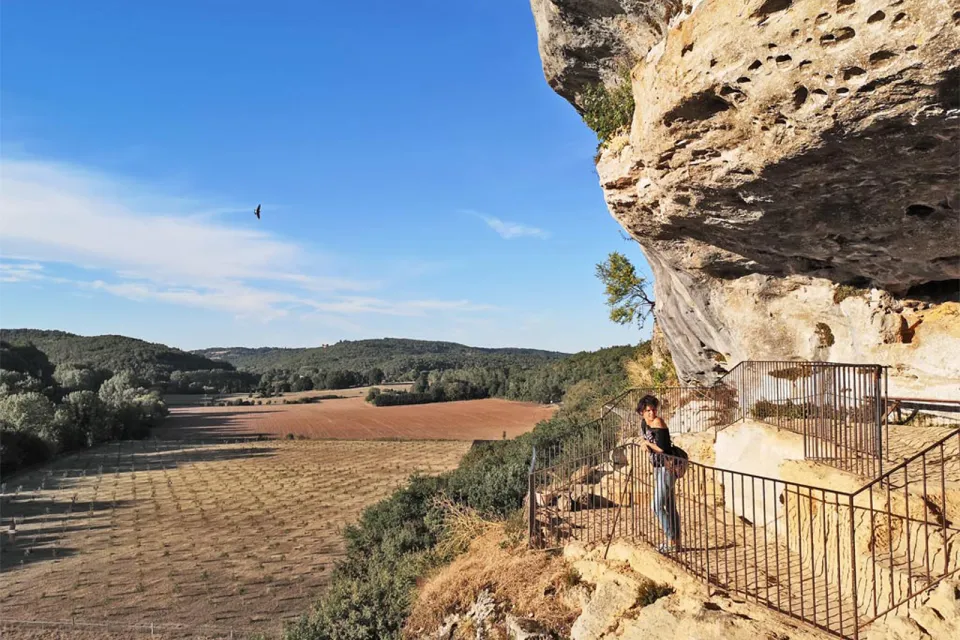
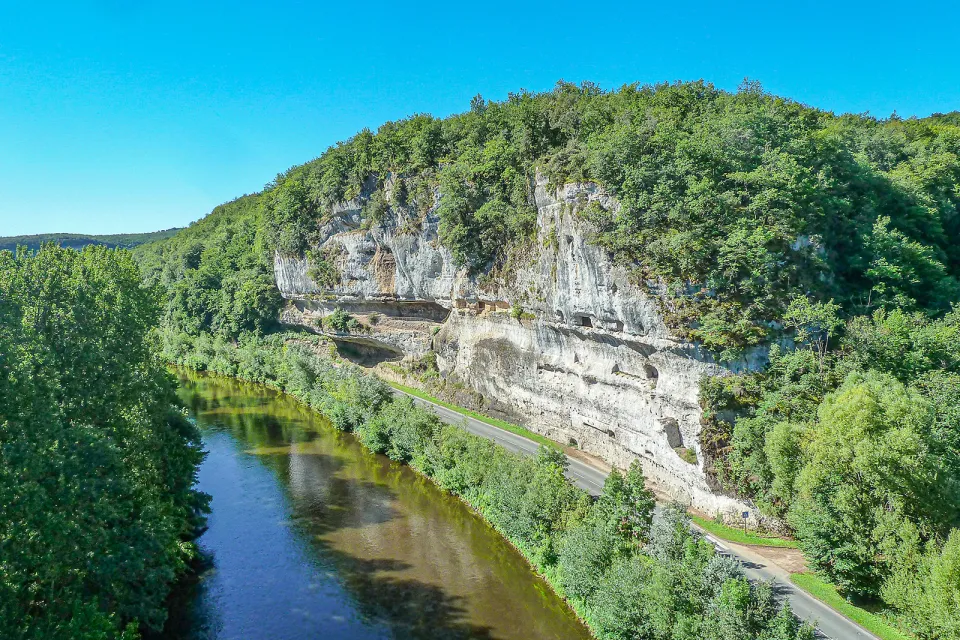
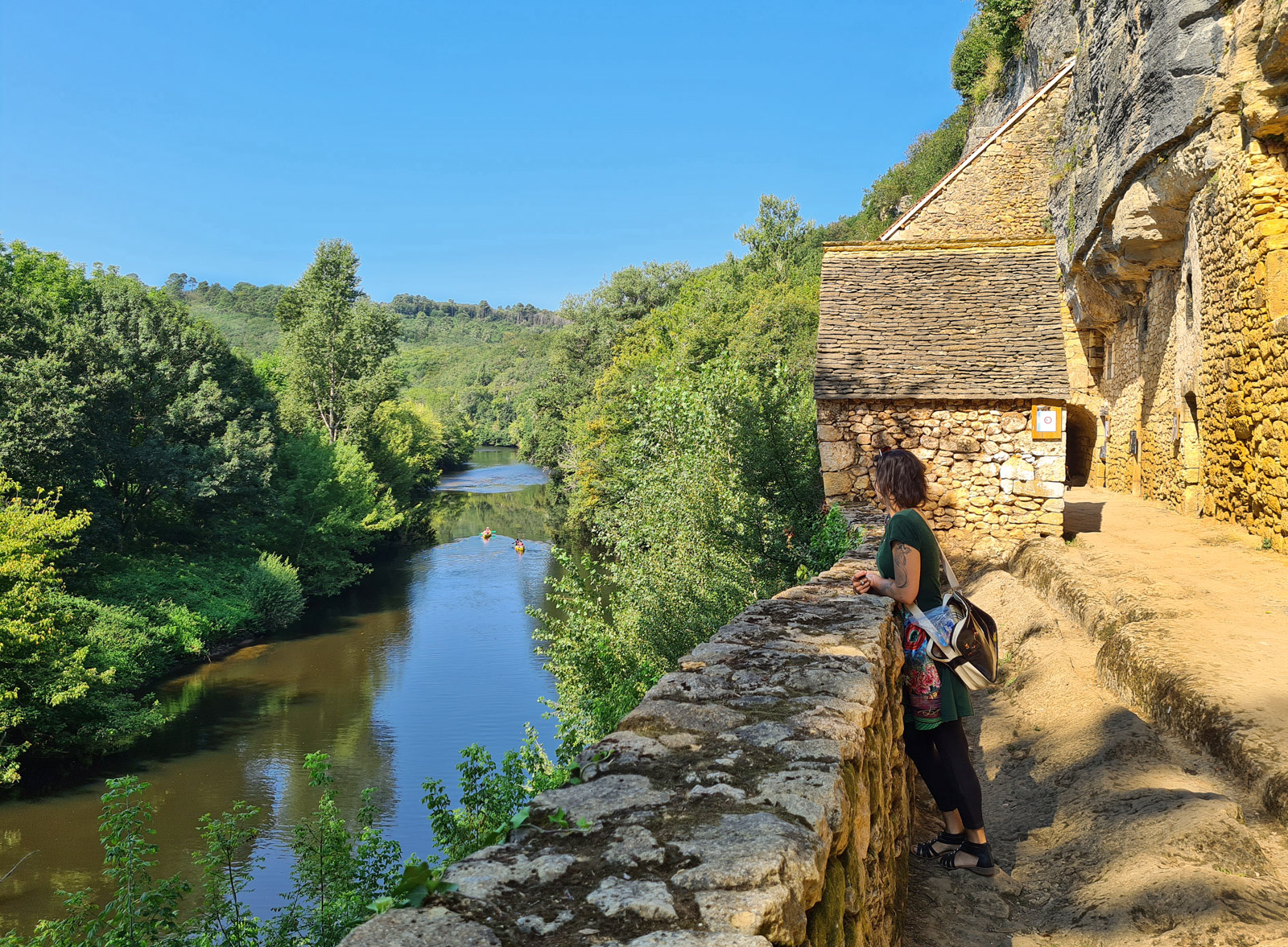
      The visit begins with a breathtaking view of the Vézère River, which dominates this part of the valley. During the summer, canoes can be seen navigating the river.

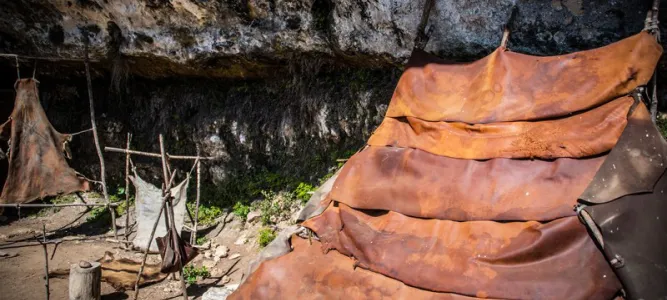
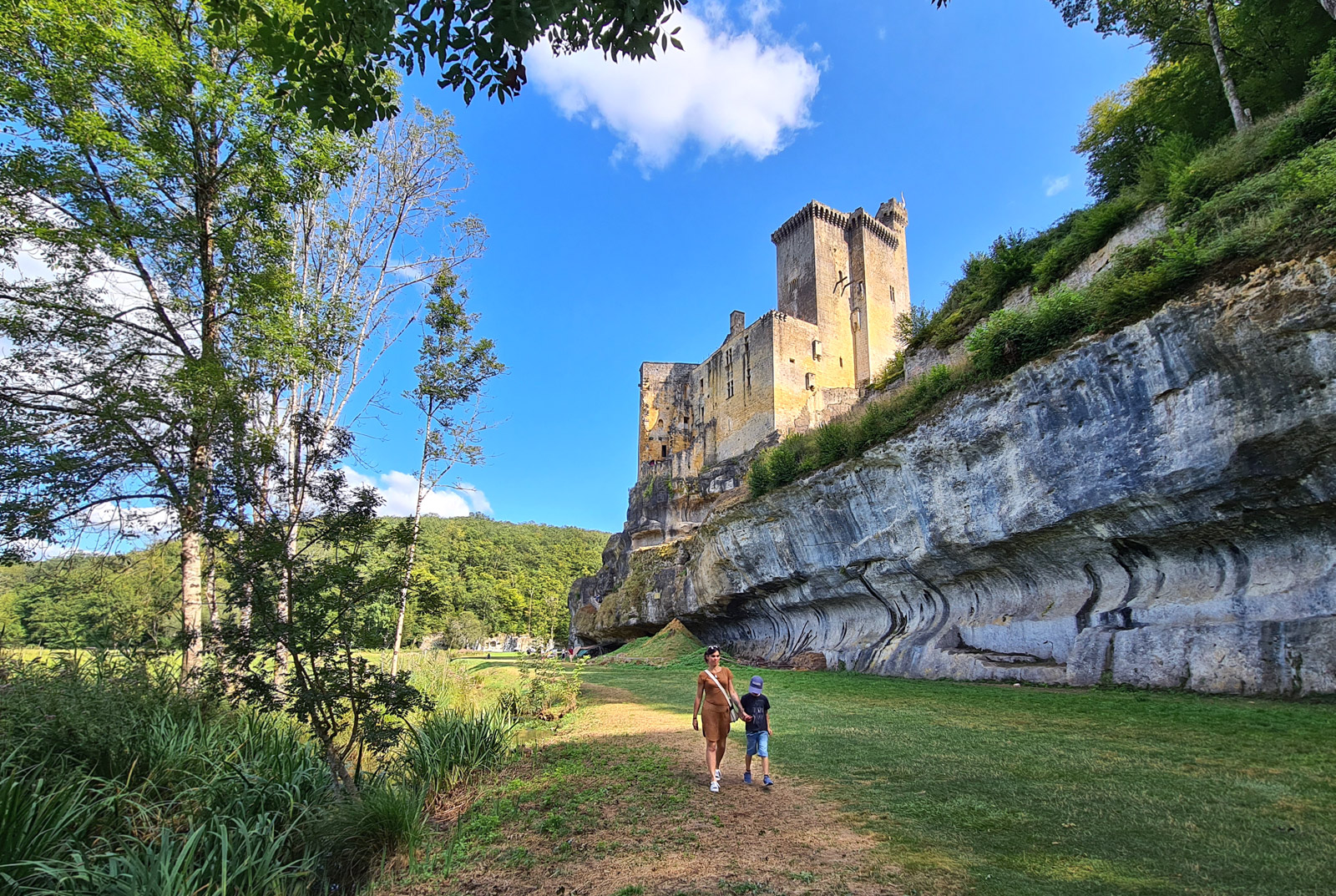
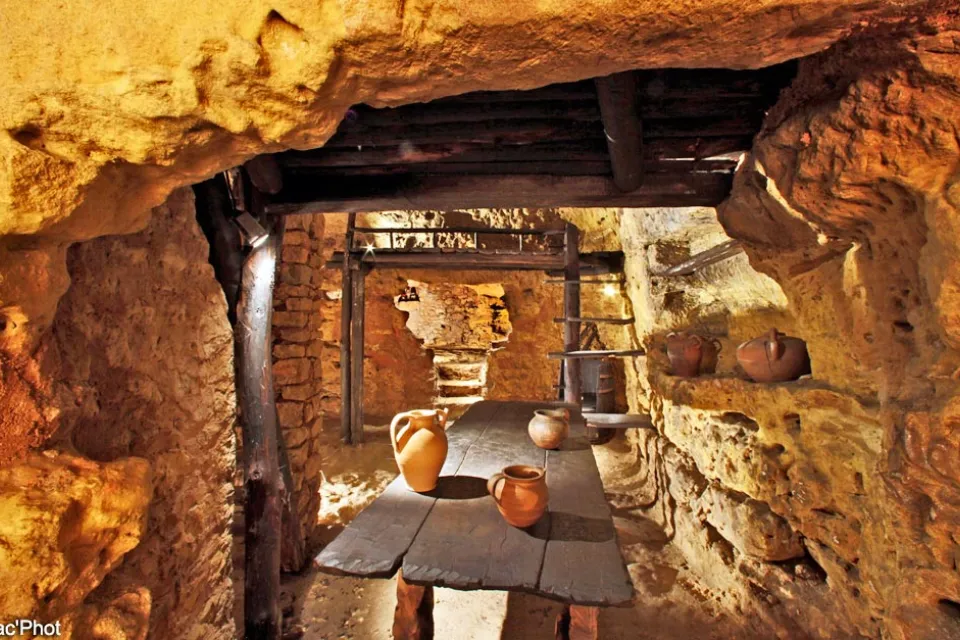
      After crossing a wooded area, you will reach the foot of the cliff, where shelters rebuilt with materials from different periods are revealed. Some are semi-troglodytic, built against the cliff, while others exploit the natural crevices of the limestone to become true habitats.

      La Madeleine is not simply an exhibition or a chance reconstruction, but a true educational site.

      The museum displays enlighten visitors on the different periods of occupation, highlighting customs, traditions, architectural techniques, trades, activities, housing and food preservation.


      A journey back to the Middle Ages in the heart of the village

      La Madeleine reveals its medieval past with the ruins of the old Petit Marzac castle, halfway through the visit.

      In the Middle Ages, the site was a small fortified town, complete with a castle and all the necessary amenities. The magnificent communal oven, used for baking bread for the lord and his villagers, captivates visitors.

      The village of La Madeleine thus offers a plunge into history, revealing an occupation of the site in the Middle Ages, with a small town equipped with defensive installations and infrastructure for daily life.


      The Peasants of La Madeleine: A Journey Through Time

      The visit to the village continues with the exploration of a new place, which appeared four years ago: Les Paysans de la Madeleine.

      Managed by the Hamelin family, this site complements the troglodytic village. Charles and Louis develop the village, while Marie, Louis' sister, carries out a peasant farm project.

      Together, they revive the traditions of the former inhabitants of La Madeleine, offering an authentic link with the past. Visitors can discover the vegetable garden, an exhibition in a former tobacco drying shed, farm animals, the medicinal garden, and the bakery.


      An educational and gastronomic experience

      The farmers of La Madeleine pass on the know-how of farming through rich experiences.

      The farm farm offers an immersion in the farming world, with workshops, activities, traditional dance evenings and the Festival of Old Trades in May (for the Ascension weekend).

      New "nature" activities are offered, such as animal tracking and cosmetic care workshops using plants from the medicinal garden.

      Adults can try their hand at blacksmithing. An exhibition of photographs, objects, and agricultural tools, housed in a tobacco drying barn, offers a true immersion into the site's past. On certain evenings, tales and legends come to life in the enchanting setting of this village clinging to the limestone cliff.


      Historical discovery of the La Madeleine site

      The La Madeleine site was discovered in 1863 by Édouard Lartet and Henry Christy, two enthusiasts of primitive art. This prehistoric site, dating from the occupation by hunter-gatherers, has been the subject of excavations which have unearthed flint tools, spear points, decorated limestone plaques, sculptures and engravings of animals, perforated sticks, bone needles, pendants and ornaments.

      The most extraordinary discovery was an engraving of a mammoth on a fragment of ivory, attesting to the coexistence of humans and mammoths. La Madeleine thus became a strategic refuge in the 10th century, offering protection against Norman invasions.


      An evolution over the centuries

      Over the centuries, La Madeleine flourished thanks to its favorable environment. The proximity of the alluvial plains facilitated livestock farming and agriculture. The surrounding plateaus provided game, and the Vézère River served as a vital economic artery. Barges transported various goods on the river, thus stimulating local economic growth. La Madeleine prospered until the Industrial Revolution and the arrival of the railway.


      The farmers of La Madeleine: the transmission of common sense in farming

      Since 2020, the village of La Madeleine has been looking to the future with the Ferme des Paysans de La Madeleine (La Madeleine Farmers' Farm ). This educational farm aims to pass on agricultural know-how and reconnect the inhabitants of the cliffs with their environment. The site showcases the natural beauty of the area.


      A gastronomic experience in summer

      In summer, visitors can discover the farm's production, from the vegetable garden to the bakery, with artisanal sourdough bread baked in a wood-fired oven. Plants and vegetables from the garden supply the dining area, offering an open-air gastronomic experience.

      Immerse yourself in history and nature at La Madeleine, a preserved prehistoric and medieval site, which offers an educational and enriching experience for all history and heritage enthusiasts.

      Enjoy a full or half day with your family exploring the secrets of La Madeleine and discovering peasant traditions with Les Paysans de La Madeleine. A journey through time, in the heart of the Périgord Noir, awaits you.

  • Français

Services

  • Cash
  • Children playground
  • Chèques Vacances (Holiday voucher)
  • Credit card accepted
  • English spoken
  • Entertainment
  • Groups
  • Internet : WIFI
  • Parking
  • Pets welcome
  • Picnic area
  • Spanish spoken
  • Take away
  • open 7/7

Useful information

  • Guide du Routard
  • Guide Michelin
  • Fait Maison
  • OT Lascaux Dordogne Vallée Vézère
  • Monument Historique
  • Natura 2000
  • Accueil Vélo

Location : In the countryside

Province : Black Périgord

Opening hours

  • Monday 10:00 am - 07:00 pm
  • Tuesday 10:00 am - 07:00 pm
  • Wednesday 10:00 am - 07:00 pm
  • Thursday 10:00 am - 07:00 pm
  • Friday 10:00 am - 07:00 pm
  • Saturday 10:00 am - 07:00 pm
  • Sunday 10:00 am - 07:00 pm
Traveller Reviews (3865)

The Village of the Madeleine on socials