- Home page
- Top experiences
- Culture and Heritage
- What to do and see in Villefranche-du-Périgord?
- Culture and Heritage
- Top experiences
What to do and see in Villefranche-du-Périgord?
Nestled at the crossroads of the Périgord Noir, Quercy, and Agenais regions, Villefranche-du-Périgord cultivates a discreet charm, far removed from the crowds of the region's more famous fortified towns. With its arcaded square, its grid-patterned streets, and the surrounding chestnut forests, the village lends itself equally well to a short stop or a longer visit, whether on foot or by bicycle. Here's some information to help you plan your trip during a stay in the Périgord.
A bit of history
Villefranche-du-Périgord is a bastide founded in 1261 by Alphonse de Poitiers, brother of Saint Louis, making it the oldest bastide in Périgord.
Nestled on the edge of Lot-et-Garonne, at the crossroads of Périgord Noir, Quercy and Agenais, it has preserved its typical checkerboard plan of medieval bastides, with houses and residences dating from the 13th to the 16th century.
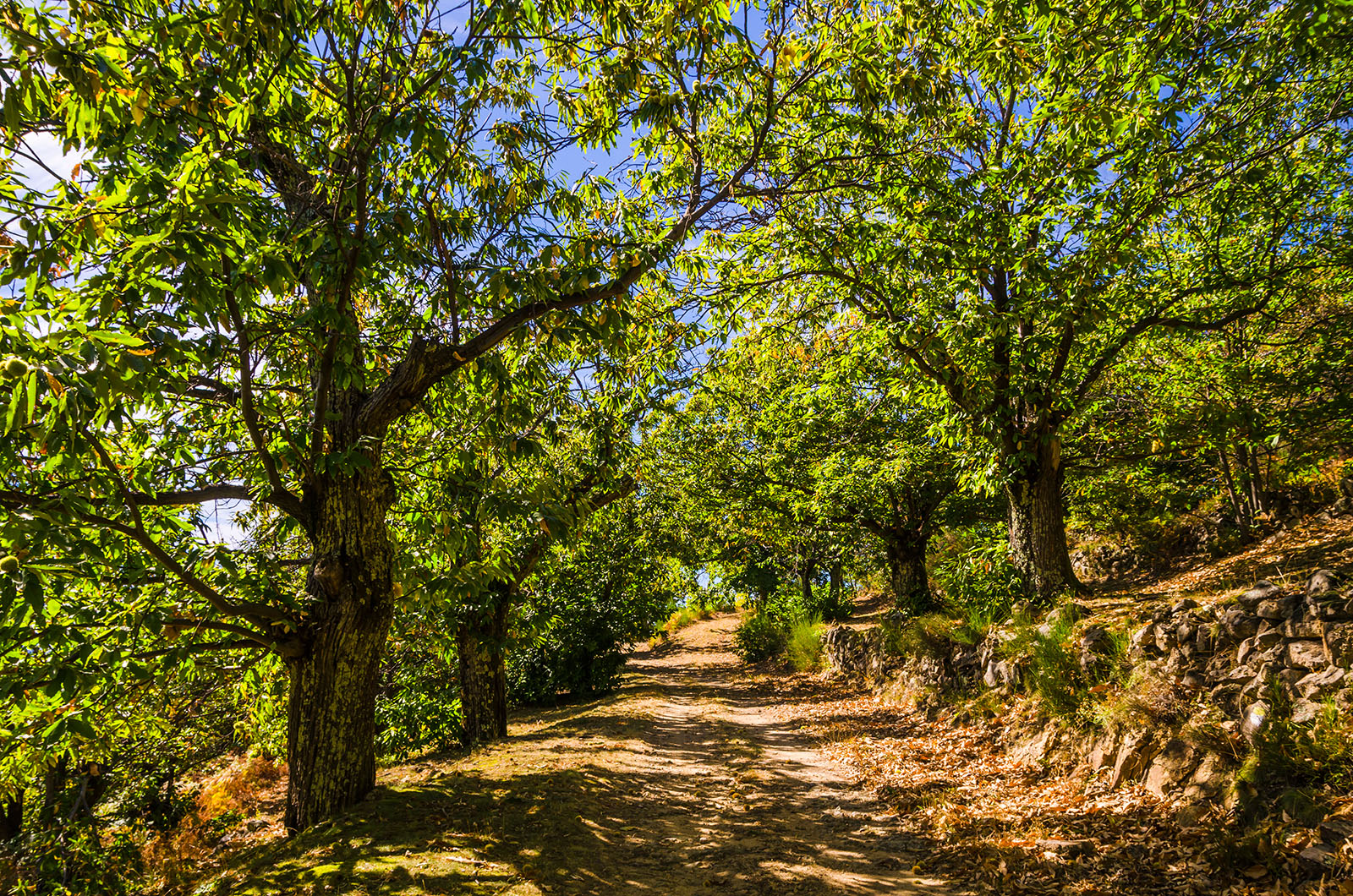
The town is also known as the capital of chestnuts and ceps : the village hall has historically housed one of the oldest ceps markets in France and the surrounding forests remain marked by the cultivation of the chestnut tree, long nicknamed "the bread tree" in this part of the Périgord Noir.
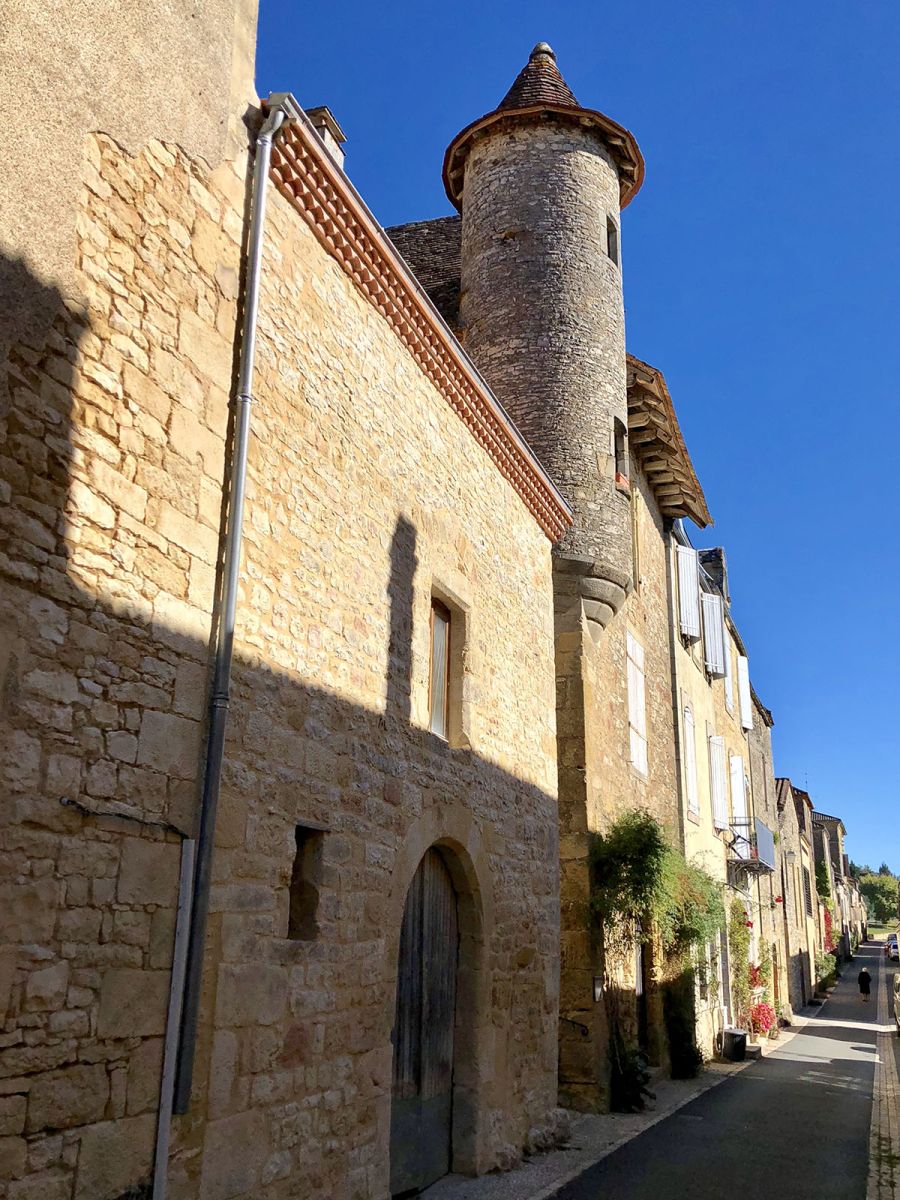
What is there to see in Villefranche-du-Périgord?
The Market Square
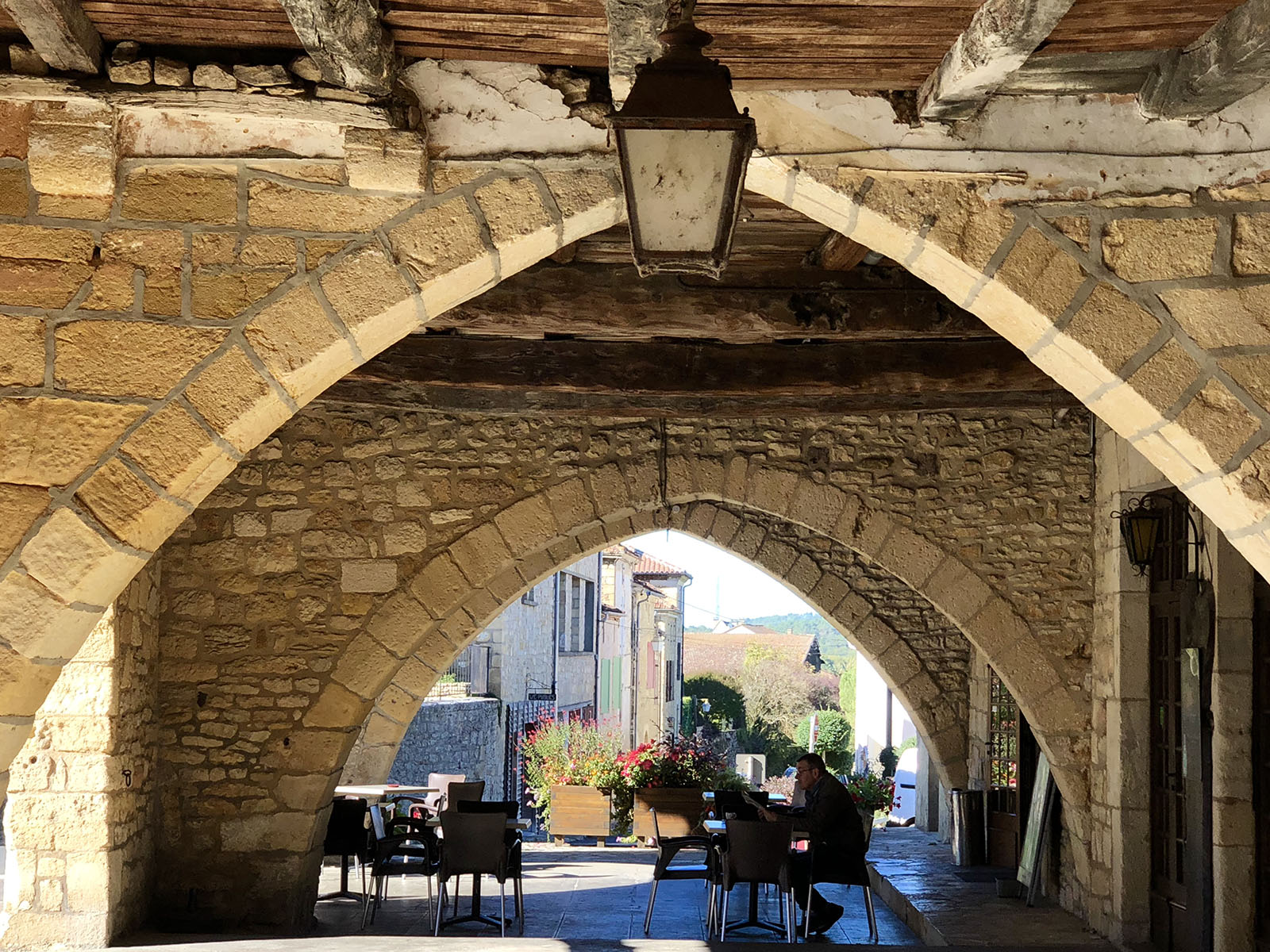
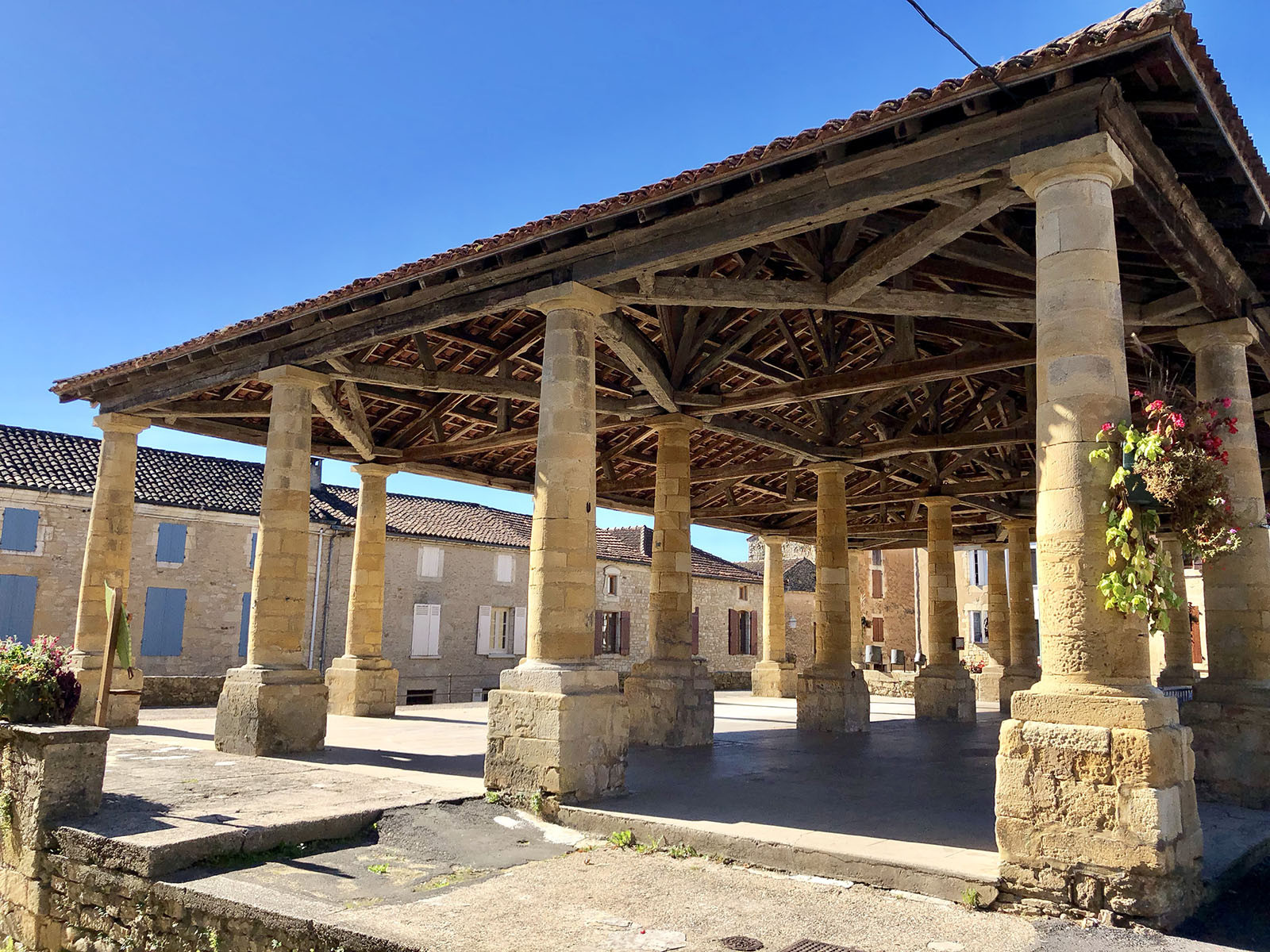
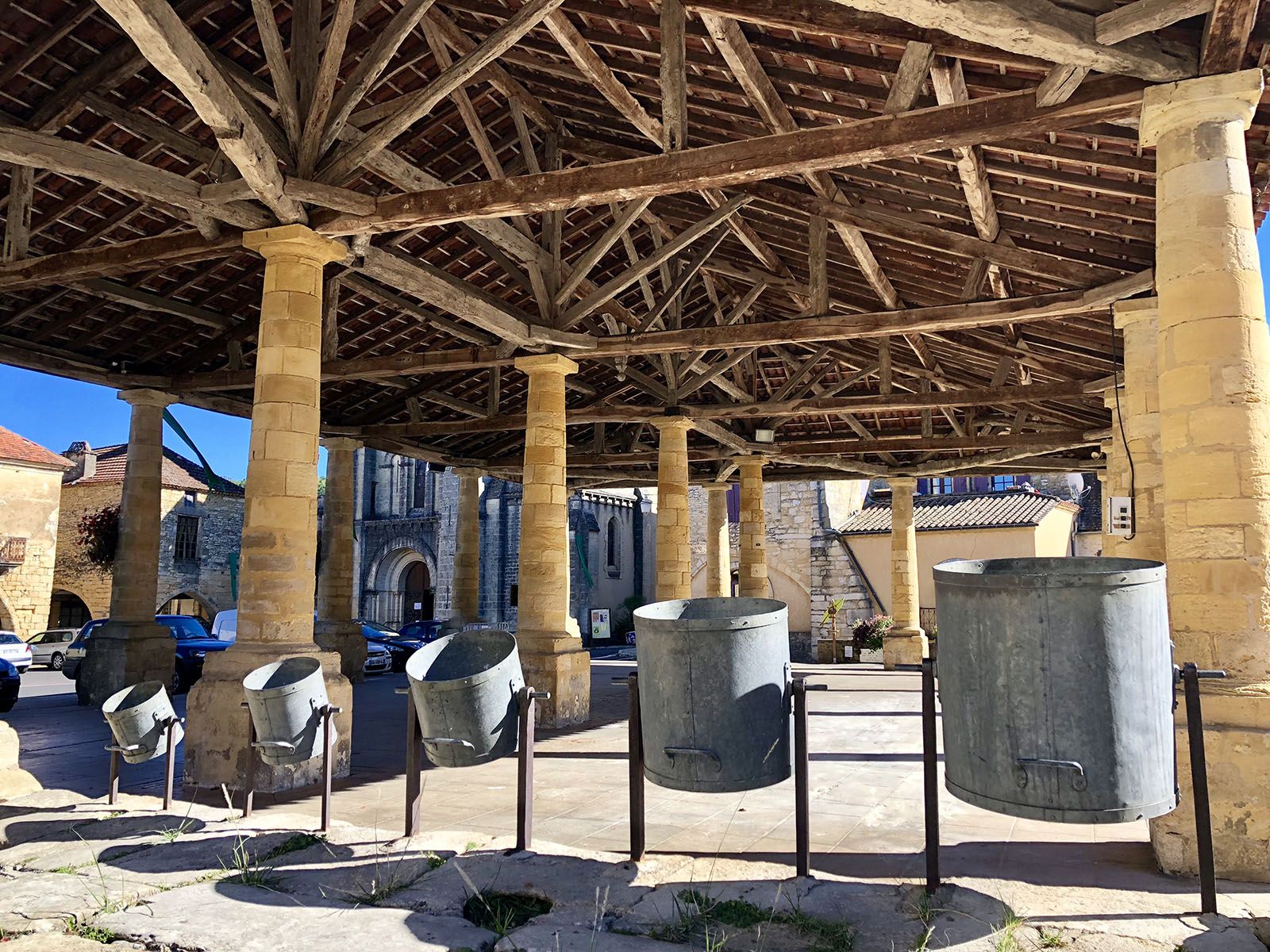
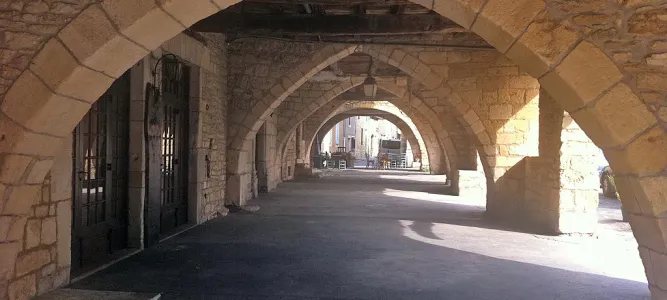
The heart of the bastide beats in the Place de la Halle, lined with arcaded houses dating from the 13th and 14th centuries. The market hall itself is supported by imposing stone pillars and still retains its old grain measures, beneath its original wooden frame. It is here that the weekly market is held, as well as the famous cep mushroom market in season.
The Church of Our Lady of the Assumption
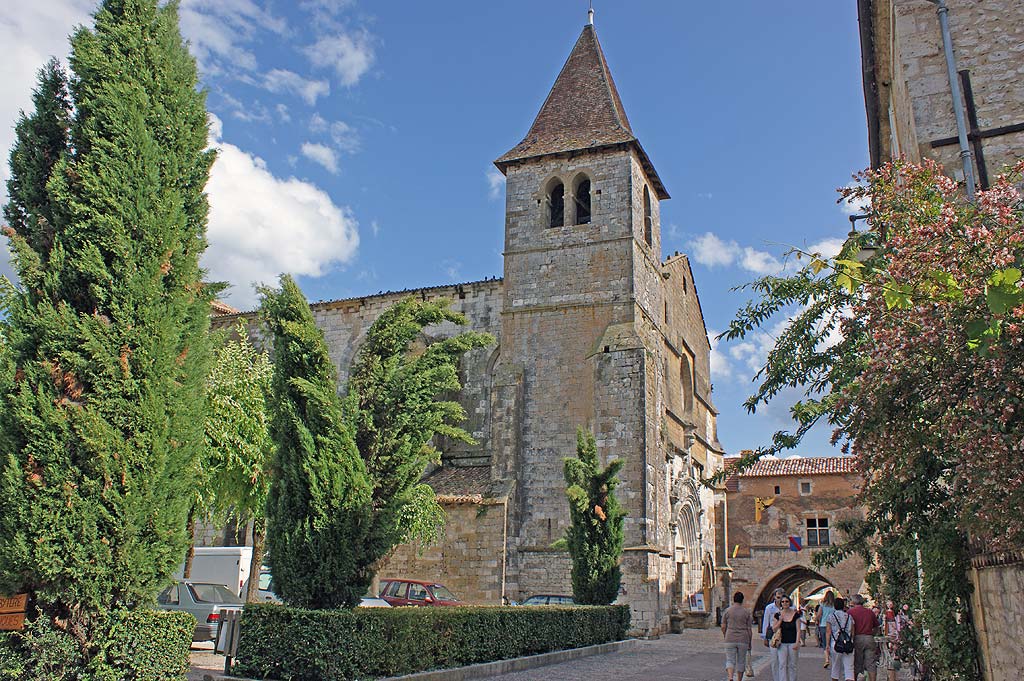
Just steps from the market hall, the Church of Our Lady of the Assumption boasts a neo-Romanesque façade, rebuilt in the 19th century after damage sustained during the Hundred Years' War and the Wars of Religion. The simple interior is illuminated by a few stained-glass windows. Historical panels scattered throughout the streets of the bastide town offer further insights into its history as you stroll through the village.
The House of the Chestnut Tree, the Marron and the Mushroom
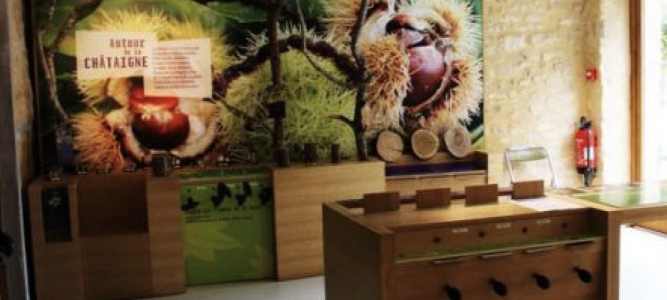
Located in the Pays du Châtaignier tourist office in the village center, the Maison du Châtaignier, du Marron et du Champignon (Chestnut, Chestnut and Mushroom House) is an ecomuseum that was completely renovated in 2013. Spread across four themed rooms, it traces the history and industry of chestnut wood, the classification of mushrooms, and the use of chestnuts in cooking. Visits are self-guided or by appointment for groups.
Hiking around the fortified town
Two marked trails allow you to extend your exploration on foot:
- The Bastide Loop starts from the village and crosses the surrounding fields and chestnut forests.
- The Around the Chestnut circuit follows a similar route, passing through the Domaine de Rapatel, a 6.5-hectare family chestnut grove operated over three generations, where you can discover the cultivation and processing of chestnuts.
Maison du Châtaignier, du marron et du champignon
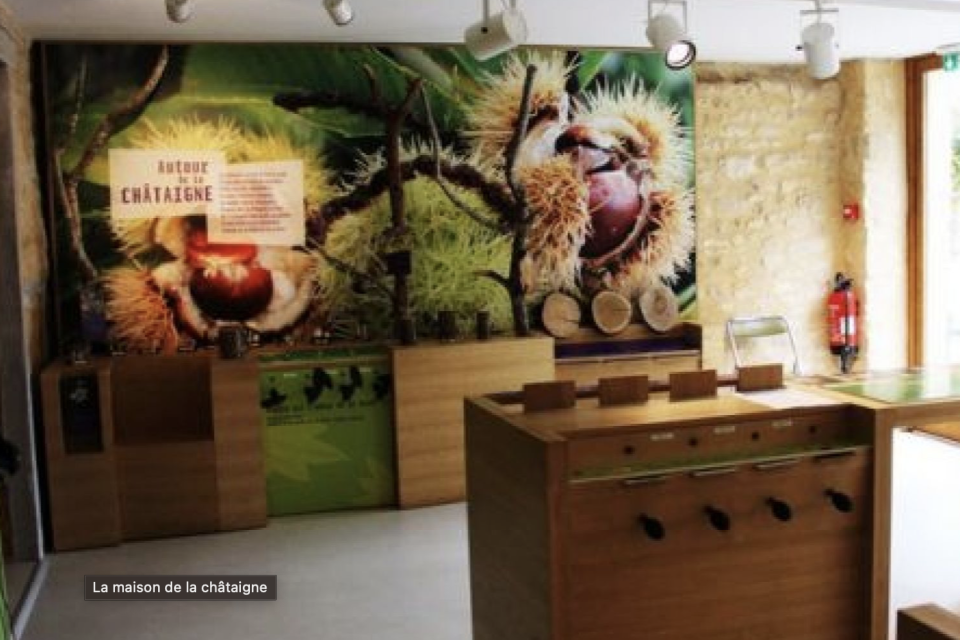
Museums / Arts and Insdustrial Heritage in Villefranche du Périgord
215 m
Bastide de Villefranche du Périgord
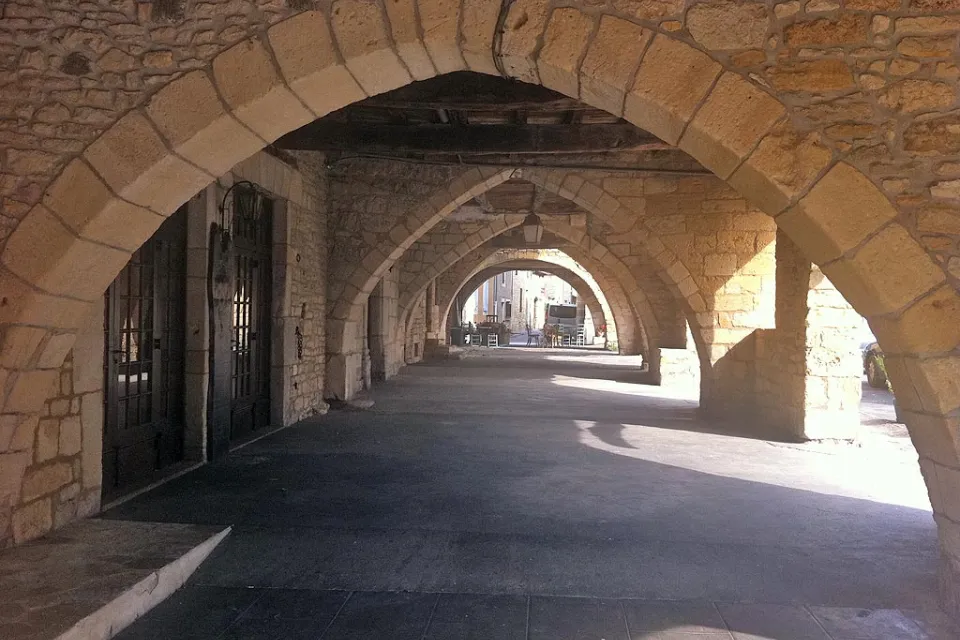
Towns, Villages and bastides in Villefranche du Périgord
228 m
Bastideum
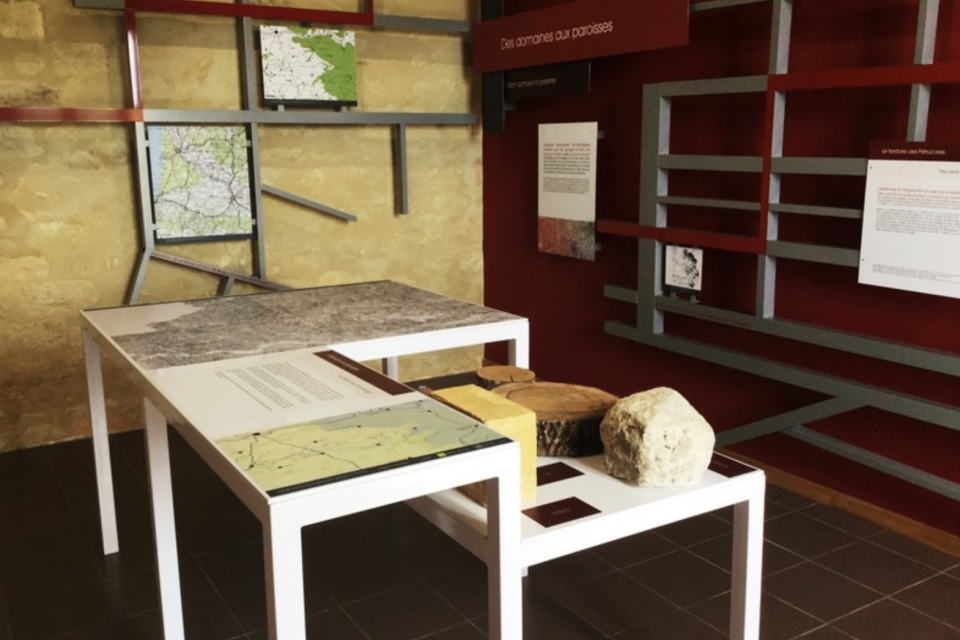
Museums / Arts and Insdustrial Heritage in Monpazier
15,6 km
Things to see nearby
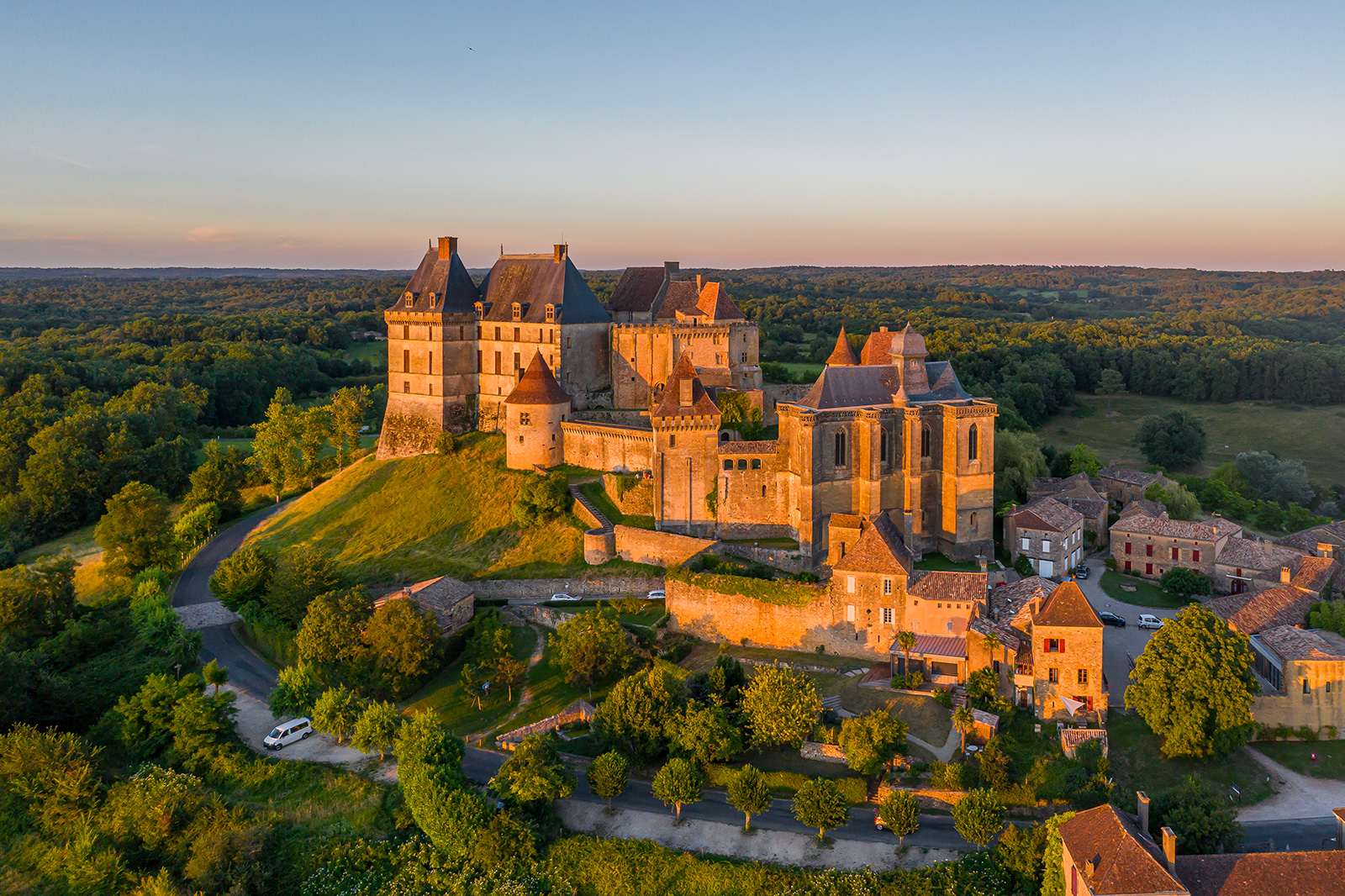
Villefranche-du-Périgord is a good starting point for exploring other sites in the Périgord Noir and Lot-et-Garonne regions :
Practical information
- Tourist Office of the Chestnut Country (information office of the Périgord Noir Vallée Dordogne Tourist Office) – Rue Notre-Dame, 24550 Villefranche-du-Périgord.
- Tel.: 05 53 29 98 37.
- Seasonal opening (school holidays and summer period) — variable hours, please check before visiting.
- Accessible to people with reduced mobility.
Frequently Asked Questions
- When was Villefranche-du-Périgord founded? In 1261, by Alphonse de Poitiers, brother of Saint Louis, making it the oldest bastide in Périgord.
- What to see first in Villefranche-du-Périgord? The Place de la Halle and its arcades, the Notre-Dame de l'Assomption church and the Maison du Châtaignier, du Marron et du Champignon, located in the heart of the village.
- What hikes can you do from Villefranche-du-Périgord? The Bastide Loop and the Around the Chestnut circuit, which passes through the Domaine de Rapatel, allow you to discover the chestnut forests that surround the bastide.
- Why is Villefranche-du-Périgord nicknamed the "chestnut capital"? The town is renowned for its chestnut forests and for its cep market, one of the oldest in France, two emblematic local products showcased at the Maison du Châtaignier.
Did you like our article? Find more in the Top Experiences section.
Join us on the Guide du Périgord Facebook page ; we're also on Instagram @guideduperigord
You will also like
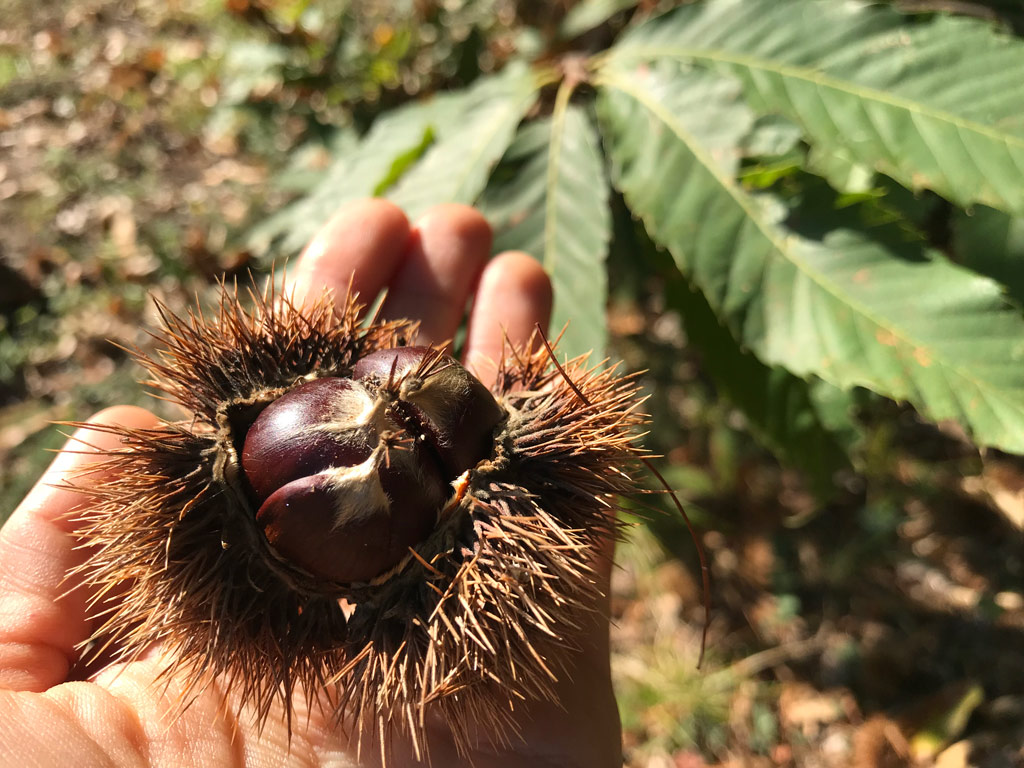
You will never see the chestnuts of the Périgord in the same way...
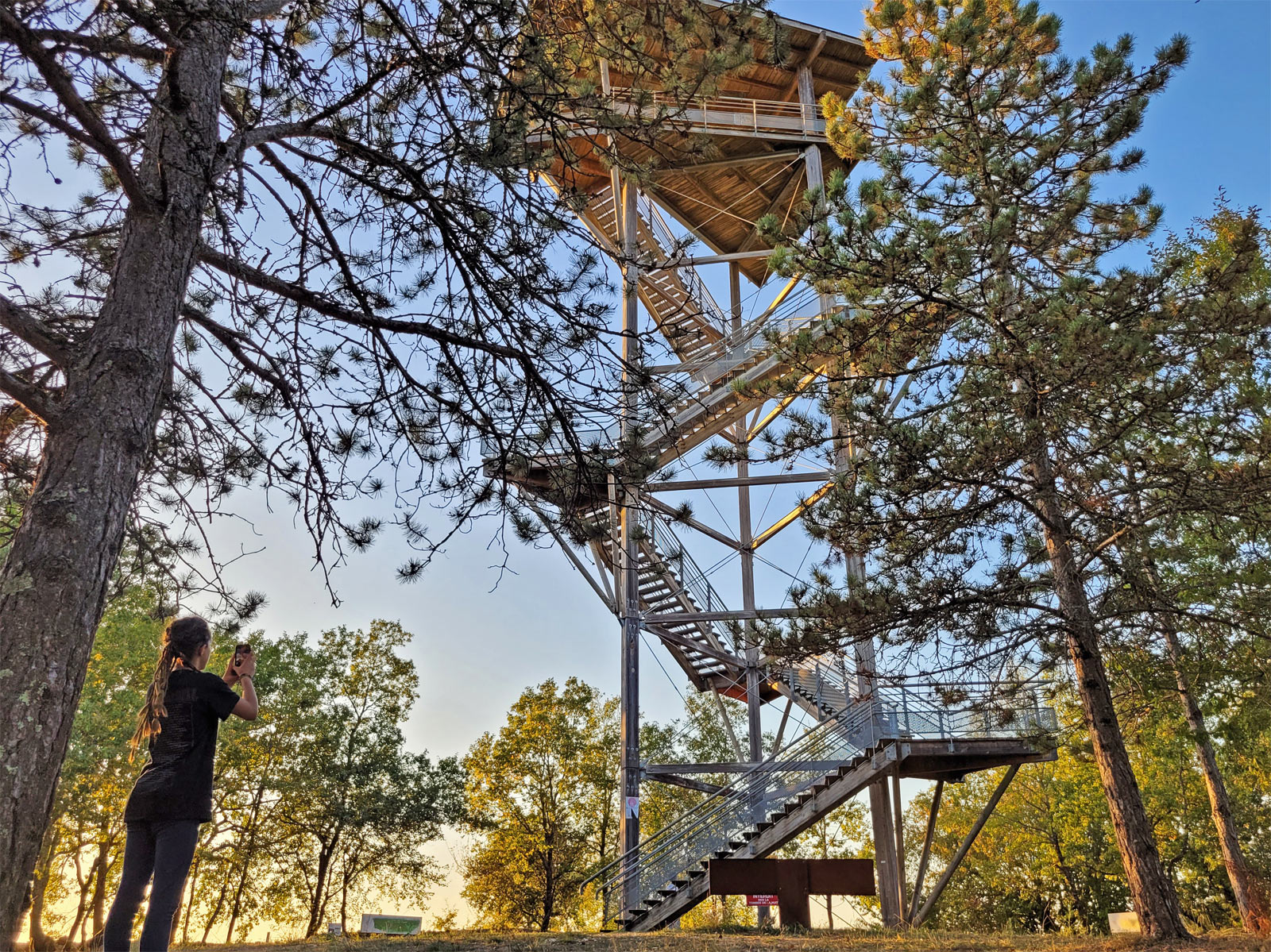
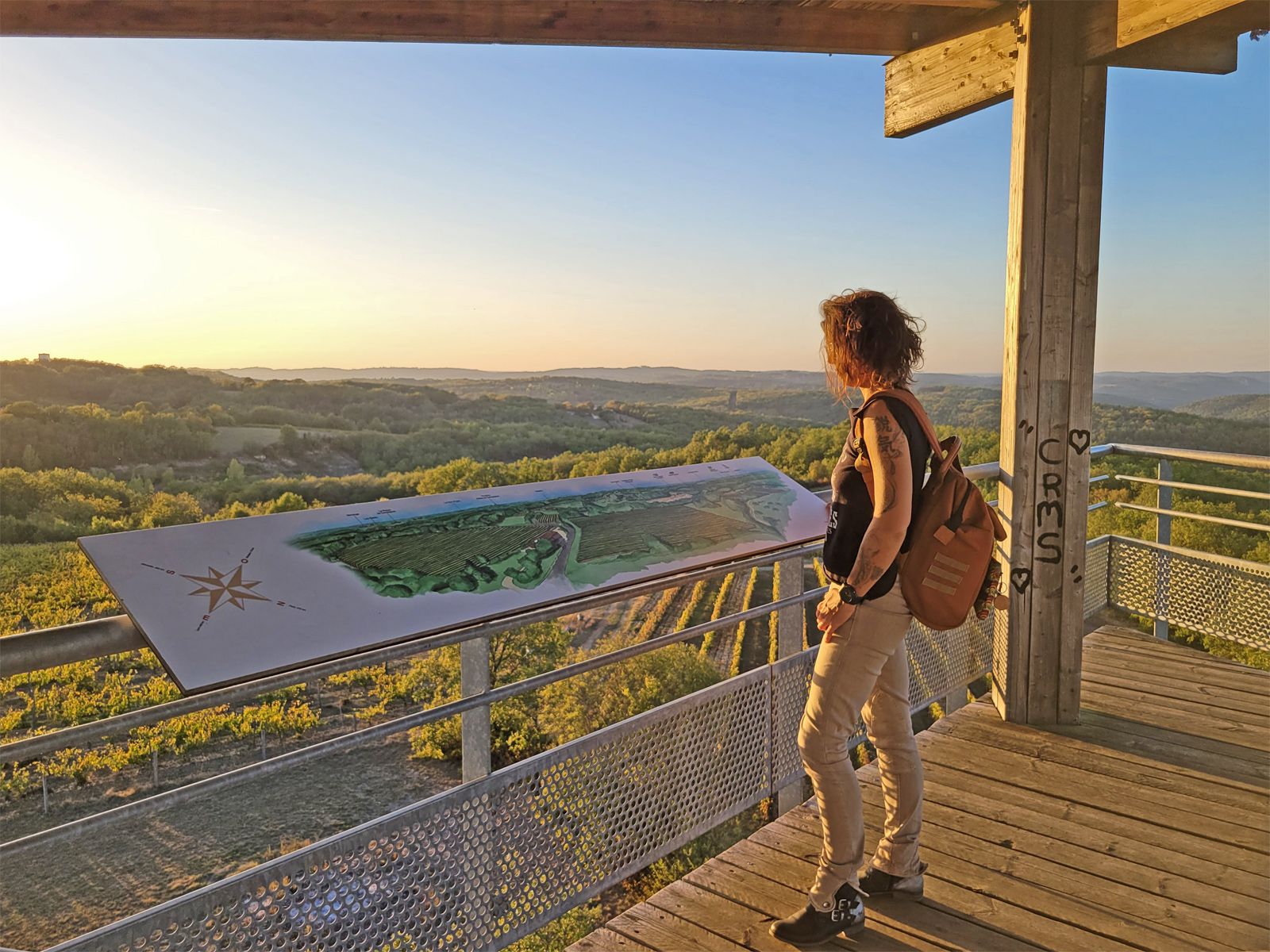
The Panoramic Tower of Moncalou, a dizzying and free viewpoint!
14,8 km
The most beautiful bastides of Périgord

15,8 km
Hiking in Monpazier : Discover one of the Most Beautiful Villages in France, in the Pays des Bastides

15,8 km
Les Villégiatures au Château de Biron, the unmissable summer event

16,6 km
Biron Castle and Cadouin Cloister: visit with your family!

16,6 km
Le Moulin de David, natural campsite in "Le Pays des Bastides"

16,9 km
Day trip to Belvès

17,5 km
You will like also



Ride around
Boucle de la Bastide à Villefranche du Périgord
Boucle de la Bastide à Villefranche du Périgord
Villefranche du Périgord
Autour de la châtaigne à Villefranche du Périgord
Autour de la châtaigne à Villefranche du Périgord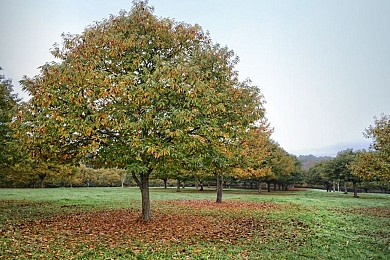
277 m - Villefranche du Périgord