- Home page
- Top experiences
- Culture and Heritage
- The Fort of La Roque Gageac: a visit to a breathtaking refuge
- Culture and Heritage
- Top experiences
The Fort of La Roque Gageac: a visit to a breathtaking refuge
Look up above the Dordogne River, beyond the magnificent houses nestled against the cliff, to admire the Troglodytic Fort of La Roque-Gageac. Perched 125 meters high, it dates back to the 10th century, and its 180-degree panorama is directly linked to the reasons for its construction: this impregnable defensive system was conceived to protect this part of the Dordogne Valley, control river traffic, and spot attackers approaching from afar. After several years of closure to consolidate and secure this fabulous heritage site, come visit the Fort of La Roque-Gageac to learn more about its history and enjoy a breathtaking view !


A rock shelter placed in a strategic location…
The troglodytic fort of La Roque-Gageac was built into a crevice in the limestone cliff. Imagine that in this very spot, during the Late Cretaceous period (some 80 million years ago…), successive layers of marine sediments, under pressure, gave rise to the yellow limestone characteristic of the Périgord Noir region. As the sea receded, the exposed cliff was weathered, cracked, and water seeped in. With temperature changes in this friable rock, rock shelters were formed. The numerous small springs (no fewer than 13 in the village) formed natural cavities as they flowed. Humanity found a perfect natural refuge there, near the life-giving and (later…) trade-prone river, with a commanding view to spot approaching enemies.


A defensive fort, a place to take refuge in case of attack
In the 12th century, a veritable fortress was built here, impregnable ! The Roc de Viguayral (the cliff) rises 80 meters above the rooftops of the houses, directly overlooking them and the river. The naturally occurring rock shelters were used to construct an impressive defensive system. The entire arsenal of protection available at the time was put into operation: a vertiginous wooden staircase, followed by a flight of steps carved into the rock, leading to a moat that had to be crossed before passing through a first gate (doubled by a machicolation ), a sentry walk, thick walls equipped with arrow slits, loopholes, and gun ports … Who would dare attack the Fort?
What can be found around and inside the Fort? A lordly castle, with the knights' house, and all around it lies the Castrum of Gajaco. It's described as a defensive system because the Fort cannot be considered a dwelling: its primary purpose was surveillance, to protect against attacks and keep an eye on the surrounding area, but also to provide refuge in case of a siege. There is the river, then the village houses, neatly aligned and huddled together, separated by a maze of narrow, difficult-to-access alleyways… The Fort, perched at the very top, is the last resort, a place to retreat if necessary, safe behind the walls (reinforced and supplemented with watchtowers in the 17th century). For there was indeed unrest in the Périgord Noir, and during the Wars of Religion, the Bishop of Sarlat sought refuge in La Roque-Gageac. In the 17th century, the village and its fort enjoyed a period of great prosperity with the development of river trade. The Dordogne region was an exporter of timber and specialized in cooperage.


Adapting to the whims of the rock
If visitors can now discover the remains of this unique fort, it is thanks to nearly 10 years of work to secure its structure. In 1957, a deadly rockfall destroyed six houses and a barn, killing three people and blocking traffic on the road above the village. In 2010, the fort's roof collapsed, and a 320-ton boulder threatened to fall as well. After evacuating the concerned villagers, a safety net was installed to protect the village, and major engineering work was undertaken. To ensure that the geological reality did not hinder the exploration of this troglodytic gem, 18 support columns reinforce the cavern, and instruments for monitoring rock movement and thermal sensors have been installed along its entire length.


Sensors and measuring instruments, all of this is managed by engineers from a research center in Toulouse.
Visit the Troglodytic Fort of La Roque Gageac
Now that you know more about the past, let's return to the present and visit the Troglodytic Fort of La Roque-Gageac ! The ticket office is located at the very top of the village, after the Manoir de Tarde. This was the home of Jean Tarde, who in the early 17th century was a canon of the Bishopric of Sarlat, born in La Roque-Gageac. He crossed paths with Galileo, who passed on to him his passion for astronomy (it is said that he gave him a telescope, with which he observed the heavens from the terrace of the Fort). He was also one of the first cartographers in the region, having created a map of the Diocese of Sarlat, which can be seen on site. You will find an exhibition recounting the research and illustrations of his great-grandnephew, Gabriel Tarde, in a room just before the ascent to the Fort.


A small museum displaying artifacts found on the site, located past the shop.
Reaching the upper terrace and enjoying the splendid 180-degree view requires a bit of effort. After climbing 140 steps (32 of which are carved into the rock), you'll reach the rampart walkway, with its moat covered by a wooden footbridge. Don't worry, the climb isn't as difficult as it might seem from below. The steps are smooth and well-made, and the only thing that might affect you is a slight fear of heights (just don't look down). Everything is safe, so you can climb (but not with your eyes closed, of course).
Once at the top, you might enjoy the graceful ballet of the birds. La Roque-Gageac is a village where you'll find numerous birds and birds of prey, thanks to its location near the river, the village's unique microclimate (you'll see many species of exotic plants ), and its cliffs, which provide an ideal refuge. You'll encounter many Jackdaws, Black Kites depending on the season, Peregrine Falcons scanning the horizon with their sharp eyes, Grey Herons (more commonly near the Dordogne River), and if you're observant, Wallcreepers with their red-edged wings.


The supporting columns, adorned with illustrations of great figures from different eras

You enter an open space, which is dotted with grey columns, adorned with illustrations of great figures from the past, who have populated the village over time... These concrete pillars are deliberately of modern architecture, because they have the essential function of supporting the entire site, but also to contrast in style and highlight the rock that shelters them.
Take a stroll through this rock shelter, read the information on the columns to learn more about the environment, history, fauna, and flora… At the back of the shelter is a telescope, reminiscent of Jean Tarde's astronomical telescope. Using the orientation table, you too can understand the landscape and gain a perspective similar to that of the lookouts of yesteryear. Enjoy one of the most beautiful views of the Dordogne Valley.


A drawing to give an idea of what the Fort and its surroundings looked like, of which only a few vestiges remain.


Since the tour isn't a loop, you'll retrace your steps back to the ticket office. Take this opportunity to browse the shop, which is stocked with lovely, original items related to nature and reflecting the medieval atmosphere of the site (books, children's games, and other objects). Now that you know more about one of La Roque Gageac's most iconic landmarks, continue your day with a stroll through this charming cliffside village, or enjoy a scenic trip on a traditional flat-bottomed boat : you'll see the Fort from the water!


Campsite La Plage
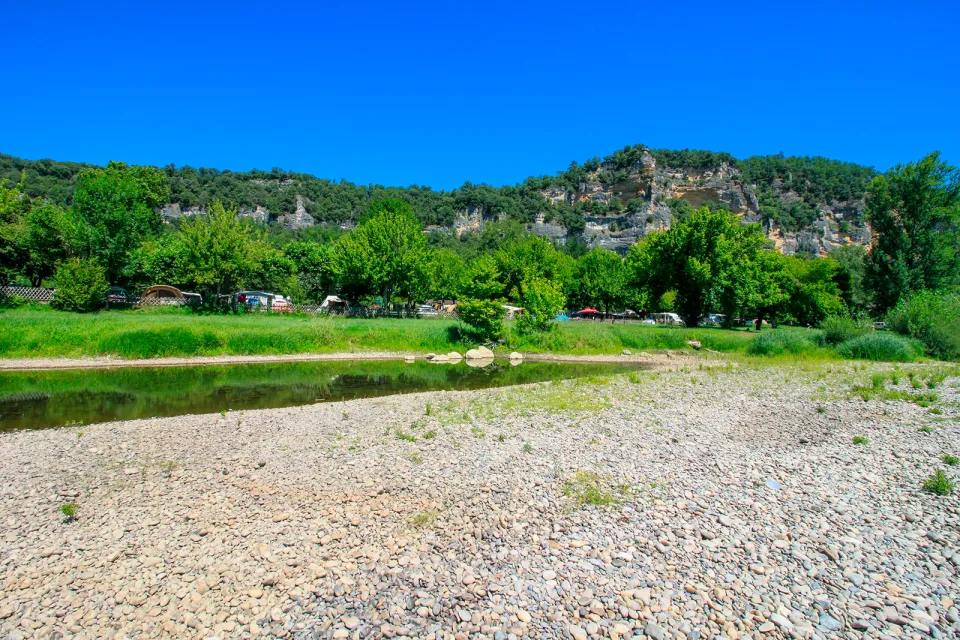
Camp in an exceptional setting near Sarlat-la-Canéda
1,6 km
La Butte Campsite
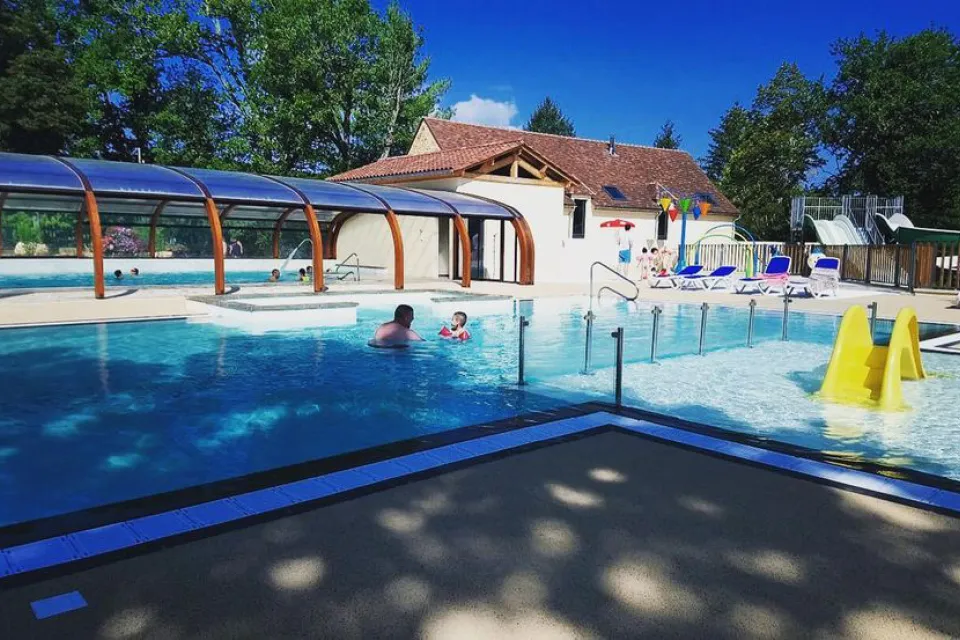
Campsite on the banks of the Dordogne in La Roque-Gageac
2,1 km
Hotel Le Périgord
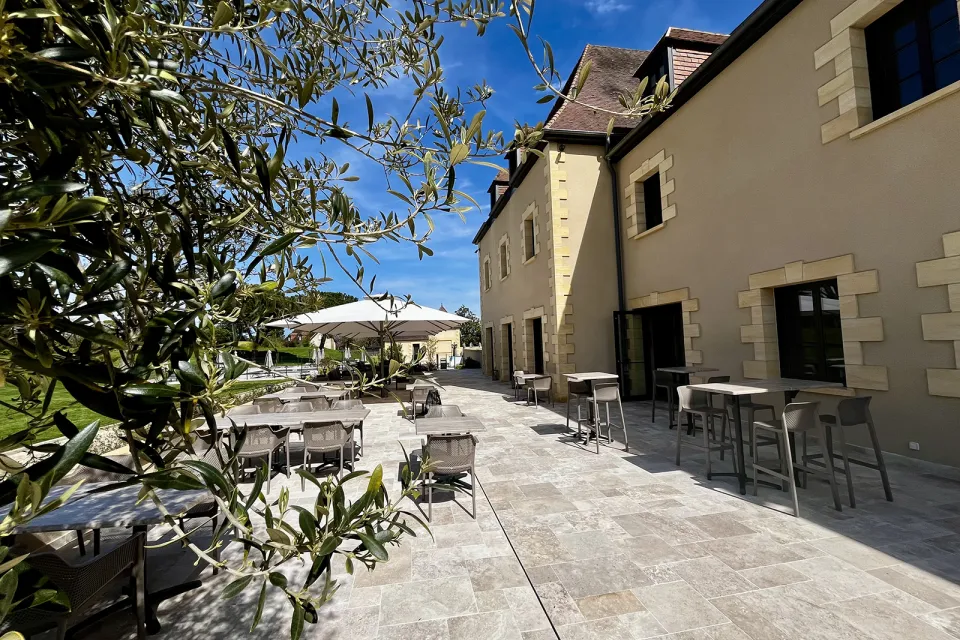
Charming stay in La Roque-Gageac
2,2 km
Did you like our article? Find more in the Top Experiences section.
Join us on the Guide du Périgord Facebook page ; we're also on Instagram @guideduperigord
You will also like
O’ Plaisir des Sens, an elegant and gastronomic address in Périgord

Boat trips in Périgord

Gabarres Caminade: A walk on the Dordogne from La Roque-Gageac

Canoë Dordogne: between sport and leisure in La Roque-Gageac
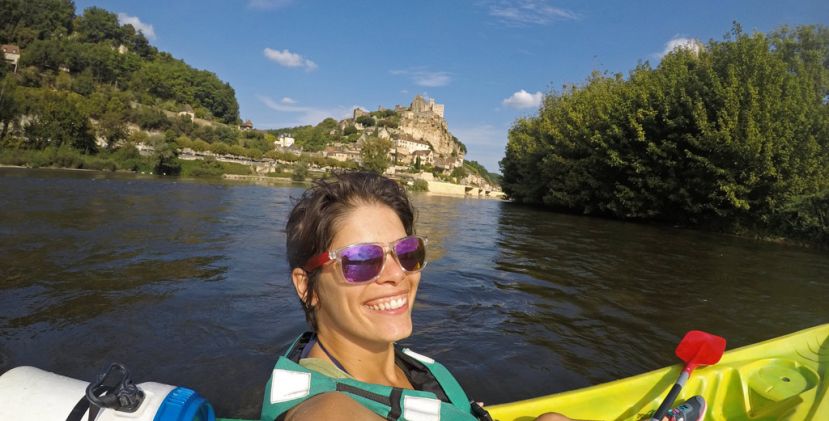
Family canoeing on the Dordogne with Canosphère

1,5 km
Family campsite 4* Les Deux Vallées in Périgord Noir

2,2 km
Le Moulin du Trel: Visit of a medieval mill!

2,2 km
La Boucle de Montfort: Hiking in the Dordogne valley

2,9 km